

Blog
Not Just a Massage

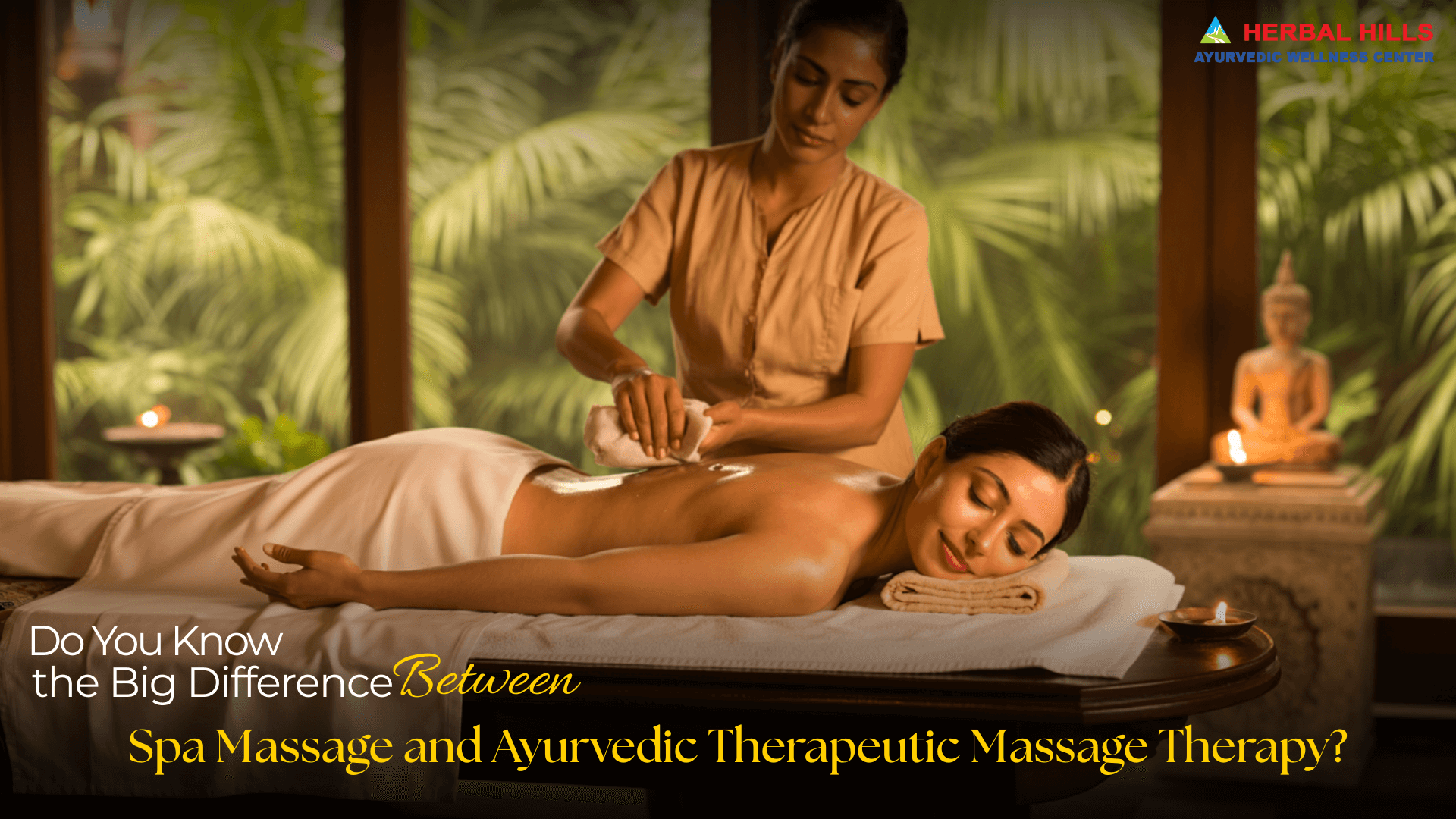
Therapeutic Massage: How It Differs From a Relaxation Massage, the Main Types of Massage, and What Ayurveda Adds
A therapeutic massage is massage given for a specific health goal, such as easing back stiffness, supporting sleep or helping recovery, rather than only for relaxation. It starts with an assessment, uses techniques and oils chosen for your body and concern, and is often given as a planned course. In Ayurveda, a doctor decides the therapy, the oil and the number of sessions after checking your health and body type.
Massage means different things to different people
For many people, a massage means an hour of soft music, scented oil and gentle strokes. That kind of relaxation massage has real value: it helps you unwind and feel cared for. But it is usually the same for everyone and is not designed around a health concern.
A therapeutic massage starts from a different question: what does this person’s body need right now? The answer shapes the technique, the oil, the pressure, the duration and how often it is repeated.
What is therapeutic massage?
Therapeutic massage is hands-on treatment aimed at a defined goal: easing muscle tension and stiffness, supporting circulation and mobility, helping the body recover from strain, or calming stress and supporting sleep. It is planned after an assessment and adjusted as you respond.
In Ayurveda, therapeutic massage is part of a medical system. Therapies such as Abhyanga, Kati Basti and Shirodhara are prescribed by a doctor, using medicated oils prepared with herbs, and are often combined with diet and routine advice.
Relaxation massage vs therapeutic massage
| Relaxation massage | Therapeutic massage | |
|---|---|---|
| Goal | Unwinding and comfort | A specific health concern |
| Assessment | Usually none | Health history and examination first |
| Oil | General scented oil | Chosen for your body and concern |
| Technique | Same routine for most people | Adjusted to the problem area |
| Sessions | Usually one-off | Often a planned course |
| Follow-up | Rare | Progress reviewed and plan adjusted |
Difference 1: It starts with an assessment
Before a therapeutic massage, someone needs to understand your health. At Herbal Hills, every therapy begins with a free doctor consultation. Our MD Panchakarma doctors ask about your concern, history, sleep, digestion, stress and medicines, and check your pulse through Nadi Parikshan. This tells them which therapy suits you, and also when massage should be avoided.
Difference 2: The oil is part of the treatment
In a relaxation massage, the oil mainly helps the hands glide. In Ayurveda, the oil is part of the medicine. Classical oils are prepared by cooking herbs such as Ashwagandha, Bala, Dashmool and Nirgundi into a base such as sesame or coconut oil. The doctor chooses a warming oil for Vata-type stiffness or a cooling oil for Pitta-type heat. At Herbal Hills, doctors choose from more than 40 oils made by Herbal Hills.
Difference 3: Technique matches the problem
Therapeutic massage uses direction, rhythm and pressure deliberately. Ayurvedic Abhyanga uses long strokes on the limbs and circular movements on joints, adjusted to your body type. Some therapies work on Marma points, specific points described in Ayurveda. Others, such as Kati Basti, hold warm oil over one area rather than massaging the whole body.
Difference 4: Heat and herbs are often added
Many Ayurvedic therapies combine massage with gentle heat. Swedan (herbal steam) usually follows Abhyanga to help the body relax and the oil work. Potli massage uses warm cloth bundles filled with herbs or rice. These are chosen and timed by the doctor; heat is not suitable for everyone, for example during fever or acute inflammation.
Difference 5: It is often a course, not one session
A single session can relax you. A therapeutic effect on long-standing stiffness or poor sleep usually needs a planned course, for example several sessions over one to three weeks, followed by home care. The doctor decides how many sessions and how often, and reviews progress before adding more.
Difference 6: Diet and routine come with it
Ayurveda does not see massage in isolation. If your back pain is linked with long sitting, the doctor will talk about posture and movement. If poor sleep is the concern, evening routine and screen time come into the plan. This is why the benefits of an Ayurvedic therapeutic massage tend to last longer than a one-off relaxation session.
Difference 7: Safety is checked first
Massage is not right for everyone at every time. A doctor checks for fever, skin infections, recent injuries, blood clots, varicose veins, pregnancy, uncontrolled blood pressure and other conditions where massage needs to be adjusted or avoided. Therapists also ask how you feel during the session and change pressure or stop if needed.
Types of massage: an overview
There are many types of massage around the world. Some of the best known are:
- Swedish massage: long, flowing strokes, mostly for relaxation.
- Deep tissue massage: slower, firmer pressure on deeper muscle layers.
- Sports massage: focused on muscles used in sport and recovery.
- Thai massage: stretching and pressure, usually without oil.
- Reflexology: pressure on points on the feet and hands.
- Ayurvedic massage: herbal oils and techniques chosen by body type and concern.
Types of massage in Ayurveda
| Therapy | What it involves | Often used for |
|---|---|---|
| Abhyanga | Warm herbal oil massage of the whole body | Stiffness, dryness, fatigue, sleep |
| Shirodhara | Steady stream of warm oil on the forehead | Stress and sleep |
| Kati Basti | Warm oil held over the lower back | Lower back stiffness |
| Potli massage | Warm herbal bundles pressed on the body | Muscle and joint aches |
| Udvartana | Dry herbal powder massage | Heaviness, weight management support |
| Padabhyanga | Foot oil massage | Tired legs, sleep |
Abhyanga: the foundation
Abhyanga is the most common Ayurvedic therapeutic massage. Warm, medicated oil is applied over the whole body with rhythmic strokes, usually followed by herbal steam. It is traditionally used for Vata-type dryness, stiffness, fatigue and poor sleep. Learn more on our Abhyanga massage page.
Shirodhara for stress and sleep
Shirodhara is not a massage in the usual sense: a steady stream of warm oil or another liquid flows over the forehead for a set time. Many people find it deeply calming. It is often recommended when stress, a busy mind or poor sleep is the main concern. See our Shirodhara treatment page for details.
Kati Basti and local therapies
When pain is in one area, the doctor may choose a local therapy instead of a full-body massage. In Kati Basti, a ring of dough is placed on the lower back and filled with warm medicated oil, which is kept warm for the session. Similar therapies are used for the neck and knees. Read about Ayurvedic care for backache.
Potli and Udvartana
Potli massage uses warm cloth bundles filled with herbs, rice or powders, pressed and massaged over aching muscles and joints. Udvartana uses dry herbal powders massaged upwards, and is often part of weight management plans because Ayurveda uses it for Kapha-type heaviness. See our pages on Potli massage and Udvartana.
Massage benefits: what the evidence says
Research suggests that massage may help with short-term relief of back and neck pain, muscle tension, stress and anxiety, and may support sleep. The US National Center for Complementary and Integrative Health notes that massage is generally safe when given by a trained therapist, while the evidence for many specific conditions is still developing.
Massage benefits are usually greatest when massage is part of a wider plan with movement, posture and good sleep.
Ayurvedic massage benefits
- Eases muscle stiffness and supports joint comfort.
- Supports relaxation and deeper sleep.
- Nourishes dry skin through regular oiling.
- Helps you notice and release tension in the body.
- Supports recovery from physical and mental fatigue.
- Builds a healthy self-care routine when continued at home.
These are the Ayurvedic massage benefits people describe most often, especially after a planned course.
Who can benefit from therapeutic massage?
- Desk workers with neck, shoulder and lower back stiffness.
- People with stress, tension headaches or poor sleep.
- Active people recovering from training or long days on their feet.
- Older adults with stiff joints, after a doctor’s check.
- Anyone preparing for or recovering from a Panchakarma programme.
When massage should wait
Therapeutic massage may need to be postponed or adjusted if you have fever or an acute infection, a skin infection, rash or open wound, a recent fracture or injury, a suspected blood clot, severe varicose veins, uncontrolled blood pressure or heart disease, or are pregnant. Tell the doctor about any medicines, especially blood thinners. A good centre will check these before booking a therapy.
What happens in a therapeutic massage session
- Doctor consultation and choice of therapy and oil.
- Preparation: you change in a private room; the oil is warmed and portioned for you.
- The therapy: usually 45 to 90 minutes, depending on the plan.
- Herbal steam where advised.
- Rest and a warm shower in the attached bathroom.
- Home advice on diet, routine and the next session.
Pressure, pain and comfort
Therapeutic does not have to mean painful. Ayurvedic massage is usually firm but comfortable, and pressure depends on your body type and concern. Vata types often prefer gentle, slow strokes; Kapha types may suit brisker, firmer work. Always tell the therapist if anything hurts. Sharp pain, numbness or dizziness are signs to stop.
How often should you have therapeutic massage?
It depends on the goal. For a specific concern, the doctor may advise daily or alternate-day sessions for one to two weeks. For maintenance, many people choose one session every week or fortnight. A short self-massage with warm oil at home, two or three times a week, helps keep the benefit between visits.
Self-massage at home
Ayurveda encourages a short daily self-massage, or self-Abhyanga. Warm a little oil suited to you, massage it into the scalp, ears and feet, then the limbs with long strokes and the joints with circular strokes. Leave it on for 10 to 15 minutes, then take a warm shower. Ask your doctor which oil suits your body type and season.
Why hygiene matters
Therapeutic massage involves warm oil, close contact and steam, so hygiene is part of safety. Look for fresh linen for every client, oil portioned for you alone, clean tables and private showers. At Herbal Hills, every therapy room has its own attached shower. Our blog on hygiene practices has a checklist.
Choosing the right therapeutic massage centre
- A qualified doctor (BAMS or higher) assesses you first.
- Therapists trained in classical techniques.
- Good-quality oils from a trusted maker.
- Private, clean rooms with showers.
- Clear advice on how many sessions you need, and why.
- Honest guidance when massage is not suitable for you.
Therapeutic massage at Herbal Hills
At Herbal Hills, therapeutic massage is always doctor-led. After a free consultation with Nadi Parikshan, the doctor may suggest single therapies, Signature Treatments for a focused goal, or a one-month package for persistent concerns. Therapists use fresh oils chosen for you, in private rooms with attached showers. Explore our Ayurvedic massage options.
Therapeutic massage for desk workers
Long hours at a laptop leave many people with a stiff neck, tight shoulders and an aching lower back. A therapeutic massage for desk workers often combines local work on the neck and back, warm oil, herbal steam and simple stretches to continue at home. The doctor also looks at screen height, sitting hours and movement breaks, because massage helps most when the daily strain is reduced too. Our blog on the sedentary lifestyle explains this pattern.
Therapeutic massage and Panchakarma
In Ayurveda, oil massage and steam are also preparation steps, called Purvakarma, before the main Panchakarma therapies. They help the body relax and prepare for cleansing. After Panchakarma, gentle massage supports recovery. In this setting, the doctor plans each massage as part of the whole programme rather than as a separate treat, choosing oils and timing to suit each stage.
Common myths about massage
“All massages are the same.”
Technique, oil and goal vary widely between types of massage.
“Therapeutic massage must hurt to work.”
Effective massage can be firm but comfortable.
“Any oil will do.”
In Ayurveda, the oil is chosen for your body and concern.
“One session is enough.”
Lasting change usually needs a planned course and home care.
When to see a doctor instead
Massage is not a substitute for medical care. See a doctor promptly for pain after an injury or fall, back pain with numbness or weakness in the legs, sudden swelling or redness in one leg, chest pain, severe headache, or pain with fever or weight loss. These need proper assessment before any massage.
Therapeutic massage: the short version
A therapeutic massage is massage with a specific health goal, planned after an assessment, using techniques and oils chosen for you and often given as a course. It differs from a relaxation massage in its assessment, oil, technique, follow-up and safety checks. In Ayurveda, therapies such as Abhyanga, Shirodhara, Kati Basti, Potli and Udvartana are prescribed by a doctor, alongside diet and routine advice.
Frequently asked questions
It is massage given for a specific health goal, such as easing stiffness, supporting sleep or helping recovery. It begins with an assessment and uses techniques and oils chosen for your body and concern.
A relaxation massage is mainly for unwinding and is similar for everyone. A therapeutic massage is planned after an assessment, adjusted to your problem, and often given as a course with follow-up.
Common types include Swedish, deep tissue, sports, Thai, reflexology and Ayurvedic massage. Ayurvedic types include Abhyanga, Shirodhara, Kati Basti, Potli massage, Udvartana and Padabhyanga.
People often report easier movement, less stiffness, deeper relaxation, better sleep and softer skin, especially after a planned course with diet and routine advice.
It depends on your concern. A doctor may suggest daily or alternate-day sessions for one to two weeks for a specific problem, or one session every week or fortnight for maintenance.
Massage may need to wait during fever or infection, with skin infections or wounds, after a recent injury, with a suspected blood clot, uncontrolled blood pressure or in pregnancy. A doctor should check first.
This article is for general education and does not replace medical advice. Ayurvedic therapies and medicines at Herbal Hills are planned by qualified doctors after a personal consultation.
Therapeutic massage near you
Every therapy starts with a free doctor consultation. Herbal Hills has five centres in Western Mumbai, in Juhu (Andheri West), Goregaon West, Kandivali West and two in Borivali West, open Tuesday to Sunday, 10 am to 7 pm. Find your nearest centre.
A massage planned for your body.
One thought on “Not Just a Massage”