
Panchakarma · Shodhana
Virechan in Ayurveda – Panchakarma Therapeutic Purgation in Mumbai
Virechan (also called Virechana) means therapeutic purgation. It is one of the five classical Panchakarma therapies, in which a controlled bowel cleanse is brought on by herbal medicines under medical supervision after several days of preparation. Herbal Hills Center offers Virechan in Mumbai as a programme of about 15 days, planned and supervised by our Ayurvedic doctors.
Wondering what Virechan means and whether it is right for you? This guide explains Virechan in Ayurveda, how the programme is structured, what happens on the main day, the diet afterwards, and who should not have it.
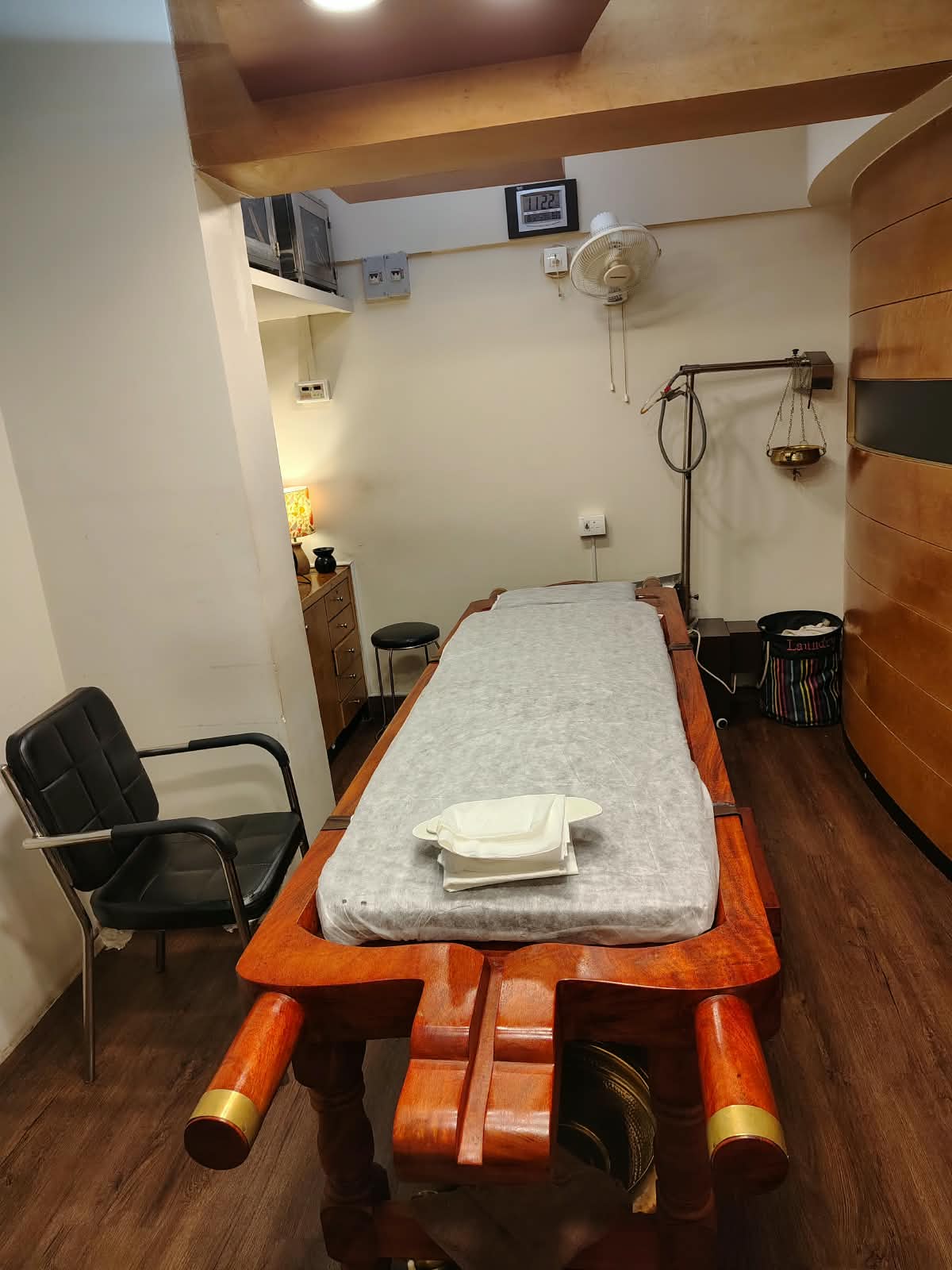
A Doctor-Led Programme
Virechan is planned, carried out and monitored by our Ayurvedic doctors. Every programme starts with a full assessment to decide whether it is right for you.
📅
Programme
About 15 Days
🏥
Session Type
In-Clinic
🩺
Supervision
Ayurvedic Doctor
🔄
Includes
Preparation, Main Day & Recovery
What Is Virechan?
Virechan (Sanskrit: Virechana) is the second of the five classical Panchakarma cleansing therapies. In simple terms, Virechan means therapeutic purgation: specific herbal medicines are given to bring on a controlled bowel cleanse, used in Ayurveda to remove excess Pitta and accumulated Ama (toxins) from the small intestine, liver region and blood.
It is not a single dose of laxative. It is a structured programme of about 15 days that includes preparation (Purvakarma), the main Virechan day and a careful recovery phase (Paschatkarma). Each step matters for safety and results.
At Herbal Hills, Virechan is planned and carried out by our Ayurvedic doctors, after a detailed consultation to confirm that you are fit for the programme.
How Virechan in Ayurveda Works
Ayurveda describes Pitta as the principle of heat, digestion and transformation, with its main seat in the small intestine and liver region. When Pitta builds up, it is linked to heat in the body, acidity, irritability, certain skin concerns and a feeling of being “overheated”.
Virechan in Ayurveda is the classical Shodhana (cleansing) therapy for Pitta. Days of internal and external oleation and steam first loosen accumulated Pitta and draw it towards the digestive tract. On the main day, herbal medicines bring on controlled purgation so that it is expelled through the lower route. A careful diet then rebuilds digestion step by step.
It is considered gentler than Vaman, but it is still a strong procedure, which is why the classical texts insist on proper patient selection, preparation and supervision.
See It in Action
Watch Virechan Video for More Information
Learn more about this Panchakarma therapy at Herbal Hills Center — how the programme is prepared, supervised and followed by recovery.
The video gives an overview of the classical Virechan process our doctors follow at our Mumbai centres.
What It Supports
Virechan Benefits Described in Ayurveda
The benefits described in Ayurveda centre on Pitta balance and digestion. Results vary from person to person, and your doctor will explain what to expect in your case.
🔥
Clears Excess Pitta
The classical cleansing route for Pitta.
🍽️
Supports Digestion
Designed to help digestion reset.
❄️
Eases a Feeling of Heat
Traditionally used for heat in the body.
✨
Supports Skin Plans
Used within Pitta-type skin plans.
🪶
Brings Lightness
Many people describe feeling lighter afterwards.
⚖️
Balances Pitta
The main Panchakarma therapy for Pitta.
Is It for You?
Concerns Virechan May Help Support
Ayurvedic doctors may consider this therapy for the concerns below, only after a full assessment. It supports your wellbeing alongside — never instead of — care from your physician, dermatologist or specialist.
🔥
Acidity & Heat
Burning and a feeling of being overheated.
✨
Pitta-Type Skin Concerns
As part of a wider skin plan.
🍽️
Digestive Imbalance
Irregular, heavy or sluggish digestion.
😤
Irritability & Restlessness
Linked to excess Pitta.
🩸
Rakta-Pitta Imbalance
As assessed at consultation.
⚖️
Seasonal Pitta Cleansing
Traditionally after summer and the monsoon.
Vaman vs Virechan
Both are classical Panchakarma therapies, but they work through different routes:
- Vaman — therapeutic emesis through the upper route; the main therapy for Kapha.
- Virechan (this page) — therapeutic purgation through the lower route; the main therapy for Pitta.
Your Ayurvedic doctor decides which therapy suits you — or whether a gentler option is better.
How It Works
The Virechan Programme, Step by Step
Every programme follows the same four stages, planned around your assessment.
1
Ayurvedic Consultation
Our Ayurvedic doctor evaluates your health, Pitta imbalance, digestive strength, medicines and overall fitness to confirm whether it is suitable and to plan your programme.
2
Preparation (Purvakarma)
Snehapan: for 3–6 days you drink medicated ghee on an empty stomach each morning, in a dose that increases gradually as advised by the doctor (commonly from about 30 ml up to about 180 ml). Snehan and Swedan: oil massage and herbal steam follow, continuing until the main day.
3
Main Virechan Day
You sit comfortably and take the Ayurvedic medicine that brings on loose motions. After each episode you drink warm water as advised, walk gently and rest. The process continues under the doctor’s supervision until the doctor sees the classical signs that the cleanse is complete.
4
Recovery (Sansarjan Kram)
Digestion is weak for a few days afterwards, so you follow a special, step-by-step diet — light foods such as moong dal and rice — with digestive powder provided by us, until normal food is restored.
How Long Does the Virechan Programme Take?
The complete programme takes about 15 days, including preparation, the main day and recovery. The exact length depends on how your body responds to the preparation phase, which your doctor monitors daily. Planning a quiet day at home for the main day, and lighter days afterwards, is recommended.
Diet During the Virechan Programme
Diet is part of the treatment. During preparation, your doctor advises a light, easily digested diet that supports the ghee intake. After the main day, a progressive diet called Sansarjan Kram starts with thin rice gruel and moves step by step to a normal diet, to restore digestive strength safely. Following it closely matters as much as the procedure itself.
Virechan in a Wider Plan
It is usually one part of a wider Panchakarma plan. Your doctor may combine it with:
- Niruha Basti — a decoction Basti for Vata.
- Leech therapy — Raktamokshana for local Pitta and Rakta concerns.
- Detox Pro — our structured detoxification programme.
- 5 Days Panchakarma Package — a shorter structured package for people not ready for a full programme.
You can explore every therapy on our Ayurvedic therapies page.
Virechan in Classical Ayurveda
The classical texts, led by Charaka Samhita, describe this procedure in detail — who should and should not receive it, how to prepare, the right season (traditionally after summer and during autumn, when Pitta rises), the medicines used and the signs of a correctly completed procedure, such as lightness, clear digestion and a settled feeling. They also describe the signs of excess or incomplete purgation, which is why the procedure is always supervised. Our doctors follow this classical framework with modern standards of assessment and monitoring.
Virechana, Virechana Karma and Virechana Treatment: The Names Explained
You will see this therapy written in several ways. Virechana is the Sanskrit name, and Virechan is the shorter spelling used by many clinics in Maharashtra. Virechana karma means “the procedure of Virechana”, the term used in classical texts and by Ayurvedic doctors for the main day of the programme. Virechana treatment is the everyday phrase for the whole programme, from preparation to recovery.
All of these refer to the same classical Panchakarma therapy. Whatever the spelling, the essentials stay the same: a full assessment first, several days of carefully supervised preparation, a controlled main day under a doctor’s supervision, and a gradual return to normal food and routine afterwards.
The gradual return to food after the main day, called Samsarjana Krama, is one of the most important parts of the programme. It usually starts with thin rice gruel and moves step by step to normal meals over several days, so that digestion recovers gently. The doctor will give you a written plan for this stage and review it with you each day, adjusting it if your appetite or energy needs more time.
In the classical texts, Virechana is described for selected people in whom Pitta is thought to be increased, and it is often timed with care, for example in the season after the monsoon when Pitta naturally rises. Modern practice keeps these principles but adds careful screening and monitoring, so the procedure is offered only where it is judged suitable for the person in front of the doctor. If you read very different descriptions elsewhere, please do not try any purgation programme at home or outside a qualified clinic.
Questions to Ask Before a Virechana Treatment Programme
Because this is a strong, carefully staged procedure, it is worth asking clear questions before agreeing to it. A good centre will welcome them:
- Am I fit for this programme, and what checks will be done first?
- Should I continue my current medicines? Never stop a prescribed medicine without asking the doctor who prescribed it.
- How many days will the whole programme take, and which days should I keep free of work and travel?
- What will I eat during the preparation days and in the days after the main procedure?
- How will I be monitored on the main day, and how will I know it has gone as planned?
- What should I do if I feel weak, dizzy or unwell at home during recovery?
The doctor will also explain what the programme cannot do, so your expectations are realistic. Many people who ask about Virechana find, after a full consultation, that another Panchakarma therapy or a gentler plan suits them better, and that is a normal and welcome outcome.
On the practical side, plan to stay at home and rest on the main day, with easy access to a bathroom, drink the fluids the doctor advises and avoid long journeys or demanding work. Keep the written diet and routine advice somewhere easy to see, bring your questions to each daily review, and feel free to bring a family member to the consultation so they understand the plan and can support you through it.
Who Is Virechan Usually Suitable For?
It is generally considered for adults in reasonably good health who have a clear Pitta pattern — such as heat, acidity, irritability and some skin concerns — and who can follow the preparation and diet carefully. It is also used as a seasonal cleanse for Pitta. Many people who ask about it are advised a gentler option first; that decision is part of good care.
Before and After Your Virechan Programme
Before the programme
- Share your full medical history, current medicines and any reports with the doctor.
- Keep the main day free and stay close to the centre or at home as advised.
- Follow the preparation diet and ghee schedule exactly as advised.
After the main day
- Rest, keep warm and drink warm water.
- Follow Sansarjan Kram strictly — do not return to normal, spicy or heavy food early.
- Contact the centre straight away if you feel dizzy, very weak or unwell.
Is Virechan Safe? Who Should Avoid It?
It is considered safe only when performed by qualified Ayurvedic doctors following the classical protocol, after a thorough assessment, with monitoring during preparation, the main day and recovery.
Virechan is not advised for children, older adults, pregnant women, people who are very weak, or people with acute diarrhoea, rectal bleeding or certain heart conditions. A full Ayurvedic consultation is mandatory before any programme begins. It supports your wellbeing alongside — never instead of — the care of your physician.
Choosing a Virechan Centre in Mumbai
Look for a centre where an Ayurvedic doctor assesses you thoroughly, explains the whole programme, supervises the main day and gives clear recovery guidance. At Herbal Hills, all five centres follow the same consultation-first standard, starting with a free Nadi Parikshan.
Ayurveda is a recognised system of medicine in India under the Ministry of AYUSH, and our doctors follow its classical principles.
Find Us
Virechan in Mumbai: Our 5 Centres
This programme is offered only after a doctor’s assessment. Choose the location nearest to you and our team will confirm the programme schedule.
Herbal Hills Kandivali West
Unit No. 101, Maitri Swami Kripa, Mahatma Gandhi Cross Rd No. 3, Kamala Nagar, Kandivali West, Mumbai 400067
+91 88288 55200 · Tue–Sun
Herbal Hills Goregaon West
Office No. 1, Ground Floor, Swarupam, Plot No. 79, Jawahar Nagar Road No. 10, Goregaon West, Mumbai 400104
+91 86577 77967 · Tue–Sun
Herbal Hills Borivali West (L.T. Road)
Office No. A/102, 1st Floor, New Gopal Premises CHS, L.T. Road, 212 TPS Road, Borivali West, Mumbai 400092
+91 86575 55515 · Tue–Sun
Herbal Hills Borivali West (Yogi Nagar)
Rajkamal CHS, 1st Floor, Office No. 2, Next to Celebration Restaurant, Yogi Nagar, Borivali West, Mumbai 400092
+91 97696 26565 · Tue–Sun
Herbal Hills Andheri West (Juhu Lane)
G-3/4, Ground Floor, Bharat Apartment, C. D. Barfiwala Marg, Juhu Lane, Andheri West, Mumbai 400058
+91 86579 15422 · Tue–Sun
Common Questions
Frequently Asked Questions About Virechan
Virechan (Virechana) means therapeutic purgation. In Ayurveda, it is one of the five classical Panchakarma therapies, in which herbal medicines bring on a controlled bowel cleanse under medical supervision to remove excess Pitta.
Vaman removes excess Kapha through the upper route by therapeutic emesis, while Virechan removes excess Pitta through the lower route by therapeutic purgation. Both are classical Panchakarma therapies performed under our doctors’ supervision.
Virechan is considered safe when performed by a qualified Ayurvedic doctor following the classical Panchakarma protocol. At Herbal Hills it is carried out by our doctors. A thorough health assessment is done before the programme begins, and the doctor monitors you throughout.
In Ayurveda, many skin concerns are linked to Pitta and Rakta, and Virechan is often included in wider plans for them. Results vary, it is decided case by case after consultation, and it does not replace care from your dermatologist.
The complete Virechan programme takes about 15 days, including the preparation phase (Purvakarma), the main Virechan day and recovery (Sansarjan Kram). This structured timeline is essential for safety.
Virechan is not advised for children, older adults, pregnant women, people with severe weakness, acute diarrhoea, rectal bleeding or certain heart conditions. A comprehensive Ayurvedic consultation is mandatory before beginning the programme.
Herbal Hills offers Virechan, after a doctor’s assessment, at its centres in Mumbai: Kandivali West, Goregaon West, Borivali West (L.T. Road and Yogi Nagar) and Andheri West (Juhu Lane). Every programme starts with a free consultation with an Ayurvedic doctor.
Why Herbal Hills Center
Trusted by Thousands. Authentic Ayurveda.
🏆
20+ Years
of Excellence
👨⚕️
Qualified Doctors
Ayurvedic specialists
📍
5 Centres
Across Mumbai
💧
Fresh Herbal Oils
Every session
🔒
100% Private
Confidential care
Considering Virechan? Talk to Our Doctors First
Every programme is planned after a free Ayurvedic doctor consultation, based on your strength, health and goals. Book your Virechan consultation at the centre closest to you.
Virechan – Panchakarma Therapeutic Purgation Free consultation at 5 Mumbai centres