

Blog
Not Only for the Unwell

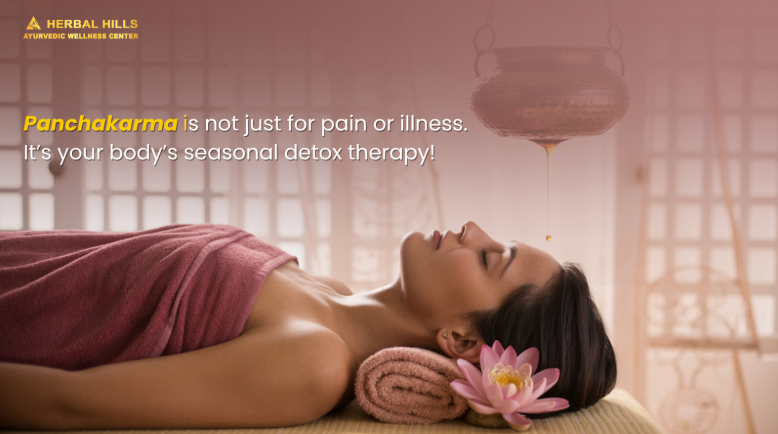
Benefits of Panchakarma: 10 Ways It Supports Healthy People and Those With Health Concerns
The benefits of Panchakarma are not only for people who are ill. Ayurveda describes it as a periodic reset that supports digestion, energy, sleep, skin, joint comfort and mental calm, and it is traditionally recommended for healthy adults at the change of seasons. For people with health concerns, a doctor plans it as part of treatment. Either way, it should be planned and supervised by a qualified Ayurvedic doctor.
Panchakarma is more than a treatment for illness
Many people think of Panchakarma only when something is wrong: chronic pain, digestive trouble or a long-standing condition. Classical Ayurveda sees it differently. It recommends Panchakarma both for treating disease and for keeping healthy people healthy, especially at the turn of seasons, when the body is said to accumulate imbalance.
Think of it as servicing a car before it breaks down, rather than only after. Regular, doctor-guided cleansing and rejuvenation are meant to keep digestion strong, the doshas balanced and the body resilient.
What Panchakarma involves
Panchakarma means five actions: Vamana (therapeutic vomiting), Virechana (purgation), Basti (medicated enema), Nasya (nasal therapy) and Raktamokshana (bloodletting). Not everyone needs all five; the doctor chooses what suits the person.
Every Panchakarma has three stages: Purvakarma, preparation with oil massage, steam and diet; Pradhanakarma, the main therapy; and Paschatkarma, a recovery diet and routine. Our blog on the Panchakarma procedure explains each stage in detail.
Benefit 1: Stronger, steadier digestion
Ayurveda places digestion, or Agni, at the centre of health. Panchakarma is traditionally used to clear Ama, residue from weak digestion, and restore Agni. Many people notice better appetite at regular times, less bloating and heaviness, and more regular bowel movements after a programme, especially when they follow the recovery diet.
Benefit 2: More energy and less heaviness
Feeling heavy, sluggish or foggy, especially in the mornings, is one of the most common reasons healthy people try Panchakarma. When digestion improves and the body is rested, energy usually follows. This is one of the panchakarma benefits people describe most often.
Benefit 3: Better sleep and a calmer mind
Therapies such as Shirodhara, Abhyanga and Nasya, part of many Panchakarma programmes, are traditionally used to calm the nervous system. Many people sleep more deeply during and after a programme. The quiet days of rest and routine also help the mind settle.
Benefit 4: Comfort for stiff joints and muscles
Oil massage, steam and Basti are central to Ayurvedic care for Vata, which is linked to stiffness and dryness of the joints. People with body aches, stiffness after long sitting or early joint discomfort often find these therapies bring relief. For specific joint problems, the doctor may add Janu Basti or Kati Basti.
Benefit 5: Healthier-looking skin
Ayurveda links skin health with digestion and blood. Improved digestion, oil therapies and a cleaner diet during Panchakarma often leave the skin looking clearer and more even. Skin conditions such as eczema or psoriasis need a doctor’s specific plan.
Benefit 6: Support for healthy weight
Panchakarma is not a quick weight-loss programme, but improved digestion, lighter meals and therapies such as Udvartana can support a healthy weight plan. Lasting change still depends on diet, routine and activity after the programme.
Benefit 7: Relief from stress and burnout
For people running on long hours, late nights and constant screens, a few days of structured rest, therapies and early nights can feel like a full reset. Many busy professionals use a short programme to recover from a demanding period at work.
Benefit 8: Seasonal balance
Ayurveda recommends cleansing at the change of seasons, especially after the monsoon, when Pitta is said to build up, and in spring, when Kapha is high. In Mumbai, many people find October and November, after the rains, a natural time for a reset.
Benefit 9: A healthier routine afterwards
One of the most lasting benefits of Panchakarma is what happens afterwards. The recovery diet and doctor’s routine advice often become habits: earlier dinners, warm food, oil massage, better sleep. These habits protect health long after the programme ends.
Benefit 10: Preparation for rejuvenation
Ayurveda teaches that cleansing should come before rejuvenation, or Rasayana. After Panchakarma, the body is said to absorb nourishing foods, herbs and therapies better. Our blog on Rasayana in Ayurveda explains this next step.
Benefits of Panchakarma at a glance
| Benefit | Main therapies involved |
|---|---|
| Digestion | Preparation diet, Virechana or Basti |
| Energy | Abhyanga, steam, Basti, rest |
| Sleep and calm | Shirodhara, Abhyanga, Nasya |
| Joint and muscle comfort | Abhyanga, steam, Basti, Janu or Kati Basti |
| Skin | Digestion, oil therapies, diet |
| Seasonal balance | Programme planned by season |
Is Panchakarma good for healthy people?
Yes, when it is planned properly. Healthy adults often choose Panchakarma once or twice a year as a seasonal reset, before a demanding period, or after one. The doctor checks your health, body type and season, and chooses gentler therapies where suitable. Healthy does not mean the doctor skips the assessment: everyone is checked first. Read about preventive Ayurveda for the wider idea.
Panchakarma for people with health concerns
For people with specific concerns, such as digestive problems, joint stiffness, stress and sleep problems, skin concerns or lifestyle conditions, the doctor plans Panchakarma as part of treatment, often with medicines and follow-up. It works alongside your regular medical care, not instead of it, and prescribed medicines should never be stopped without your doctor’s advice.
Who should wait or avoid Panchakarma
A doctor may postpone or adjust therapies if you have a fever, cold or acute illness; diarrhoea, active piles or rectal bleeding; an eye infection or recent eye surgery; pregnancy; your period during the programme; recent surgery; marked weakness; or uncontrolled blood pressure or heart disease. Children and older adults need especially careful planning. Always share your full health history and medicines.
How long does Panchakarma take?
A full classical Panchakarma can take three to four weeks, including preparation and recovery. Shorter programmes fit modern schedules: the 5 Days Panchakarma Package includes 8 therapy sessions over 5 days, doctor consultations and an Ayurvedic medicine kit. Our blog on how many days Panchakarma takes compares the options.
How to get the most from Panchakarma
- Plan the timing for a calmer week with lighter work.
- Follow the preparation diet your doctor gives you.
- Rest well during the programme; avoid late nights and heavy exercise.
- Keep meals light and warm.
- Follow the recovery routine for at least as many days as the programme.
- Keep the good habits afterwards.
Panchakarma at a doctor-led centre
Genuine Panchakarma needs a doctor at every stage: assessing suitability, choosing therapies, supervising the main therapy and guiding recovery. At Herbal Hills, every programme starts with a free consultation and Nadi Parikshan. Therapies are done by trained therapists in private rooms with attached showers, using fresh oils chosen for you. Learn more at our Panchakarma centre in Mumbai.
Common myths about Panchakarma
“Panchakarma is only for sick people.”
It is used for both treatment and prevention.
“It is just a massage package.”
It is a doctor-planned programme with preparation, main therapy and recovery.
“Everyone gets the same therapies.”
The doctor chooses therapies for each person.
“The benefits are instant and complete.”
Some feel lighter quickly; lasting benefits depend on the routine afterwards.
Benefits of Panchakarma: the short version
The benefits of Panchakarma include stronger digestion, more energy, better sleep, comfort for stiff joints, healthier-looking skin, support for healthy weight, relief from stress and seasonal balance. It suits healthy adults as a periodic reset and people with health concerns as part of treatment, always planned and supervised by a qualified doctor.
Benefits of Panchakarma by season
| Season in Mumbai | Traditional focus |
|---|---|
| Monsoon (June to September) | Basti therapies for Vata, light food, protecting digestion |
| After the monsoon (October to November) | Cleansing for Pitta, often with Virechana when suitable |
| Cooler months (December to February) | Nourishing oil therapies and rejuvenation |
| Spring (March to April) | Cleansing for Kapha, lighter food and more movement |
Your doctor will adjust the timing and therapies to your body and health.
Benefits of Panchakarma for working professionals
Long hours, screens, late meals and stress build up over months. For busy professionals, the benefits of Panchakarma often show up as better sleep, steadier digestion, less stiffness from desk work and a calmer mind. Short programmes such as the 5 Days Panchakarma Package fit around a work week, and many people plan them during a quieter period or before a demanding one.
Benefits of Panchakarma for older adults
For older adults, Panchakarma is planned gently, with more nourishing oil therapies and fewer strong cleansing procedures. The benefits of Panchakarma at this age often include easier movement, better sleep and digestion, and more energy. The doctor checks heart health, blood pressure, medicines and strength before planning anything.
What a typical day looks like
- Morning: a light breakfast or the diet your doctor suggests.
- Therapy session: oil massage, steam and the planned therapies, usually one to two hours.
- Rest: quiet time after therapy; avoid rushing back to heavy work.
- Meals: light, warm, easily digested food at regular times.
- Evening: a calm evening and early sleep.
After Panchakarma: protecting the benefits
The recovery period, Paschatkarma, is when many of the benefits of Panchakarma are kept or lost. Return to normal food slowly, starting with light, warm meals; avoid alcohol, very heavy food and late nights for at least as long as the programme lasted; and keep up the routine your doctor suggests. Many people continue a simple oil massage and early dinner long after the programme ends.
Panchakarma benefits and modern research
Research on Panchakarma is limited but growing, with small studies looking at outcomes such as quality of life, digestion, stress and joint comfort. More large, well-designed studies are needed. Until then, the most reliable approach is a doctor-planned programme, realistic expectations and continued medical care for any existing condition.
Benefits of Panchakarma: questions to ask your doctor
- Which therapies do you suggest for me, and why?
- How many days, and what should I eat before, during and after?
- Is now a good season for me?
- Should I adjust any of my medicines? (Only your prescribing doctor should change them.)
- What results can I expect, and when?
Benefits of Panchakarma for digestion: what changes
Most people notice digestive changes first. In the days after a programme, appetite often returns at regular times, meals feel lighter, the tongue looks cleaner in the morning and bowel movements become more regular. These are among the most reliable benefits of Panchakarma, provided the recovery diet is followed and heavy, late meals are avoided.
Benefits of Panchakarma for stress and sleep
The quiet routine of a programme, with therapies, rest and early nights, gives the nervous system a break. Shirodhara and Abhyanga are especially valued for calm. Many people sleep more deeply within a few days. To keep the benefit, continue an early bedtime and a short foot massage at home. Our blog on how to improve sleep quality has a simple routine.
Panchakarma and medicines
Many people taking regular medicines can still have Panchakarma, but the doctor needs to know everything you take. Some therapies may be adjusted, and some medicines may need monitoring. Never stop or change prescribed medicines on your own; only your prescribing doctor should do that.
Panchakarma benefits: what not to expect
Panchakarma is not a quick fix for long-standing disease, a crash weight-loss plan or a substitute for medical treatment. It supports the body’s balance, and its benefits grow when you keep the routine afterwards. Be cautious of any centre promising dramatic results in a few days.
Choosing a Panchakarma programme
| Option | Suits |
|---|---|
| Single therapies | A specific concern, as advised by the doctor |
| Signature therapies | A focused 2-hour session for one goal |
| 5 Days Panchakarma Package | A short, structured reset for busy adults |
| One-month Health Packages | Ongoing concerns such as digestion, joints, stress or weight |
Your doctor will suggest the option that fits your health, goals and schedule. See all our Health Packages.
Benefits of Panchakarma for families
Some families plan a programme together, choosing therapies suited to each person’s age and health. Doing it together makes the light meals, early nights and recovery routine easier to follow at home. The Herbal Hills Family Wellness offer allows up to six family members to share packages with savings.
Benefits of Panchakarma: the first step
The first step is always a consultation. The doctor checks your health, body type, season and goals, and tells you honestly whether Panchakarma suits you now, which therapies to choose and how to prepare. At Herbal Hills, the consultation with Nadi Parikshan is free, and there is no obligation to start.
Benefits of Panchakarma: how soon you feel them
Some benefits, such as relaxation and better sleep, are often felt during the programme. Digestive and energy changes usually show in the following week or two. Deeper, longer-term benefits depend on the recovery routine and the habits you keep afterwards. Many people describe feeling lighter, clearer and more rested within a fortnight.
Frequently asked questions
Panchakarma is traditionally used to strengthen digestion, increase energy, support sleep and calm, ease stiff joints and muscles, improve the look of the skin, support healthy weight and restore seasonal balance.
Yes. Ayurveda recommends Panchakarma for healthy adults as a periodic reset, especially at the change of seasons, after a doctor checks suitability.
Many healthy adults do a programme once or twice a year, often after the monsoon or in spring. Your doctor will advise based on your health and body type.
It may be postponed or adjusted during fever or acute illness, pregnancy, your period, after recent surgery, with marked weakness, uncontrolled blood pressure or heart disease, and some digestive or eye conditions.
A full classical programme can take three to four weeks. Shorter programmes, such as the 5 Days Panchakarma Package with 8 therapy sessions, suit busy schedules.
Panchakarma is generally safe when a qualified doctor assesses you, chooses suitable therapies and supervises the programme. Share your full health history and medicines first.
This article is for general education and does not replace medical advice. Ayurvedic therapies and medicines at Herbal Hills are planned by qualified doctors after a personal consultation.
Panchakarma near you
Panchakarma means daily visits, so a nearby centre matters. Herbal Hills has five centres in Western Mumbai, in Juhu (Andheri West), Goregaon West, Kandivali West and two in Borivali West, open Tuesday to Sunday, 10 am to 7 pm. Find your nearest centre.
Ask whether this is your season for a reset.
One thought on “Not Only for the Unwell”