

Blog
Eight Hours, Still Exhausted

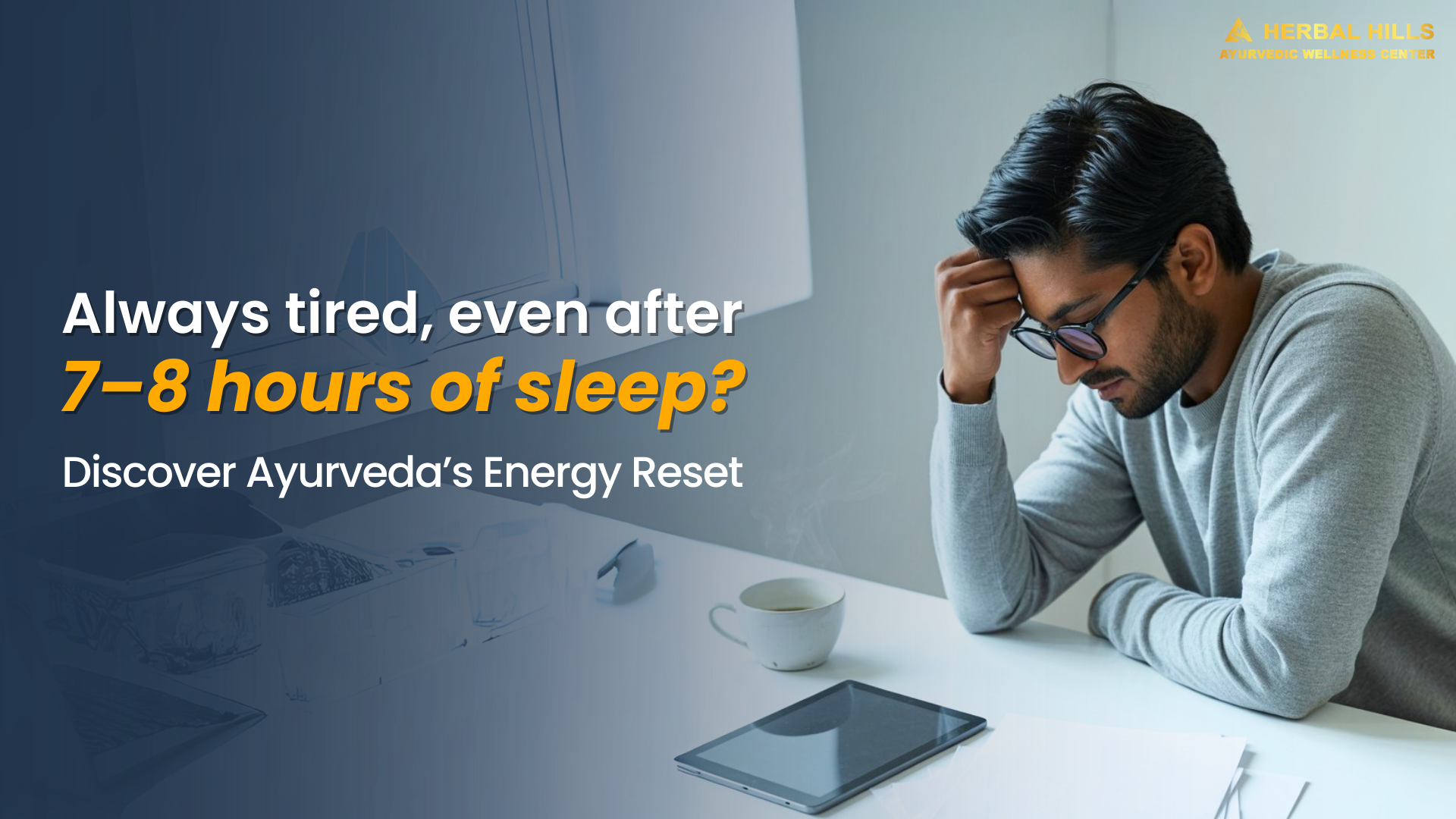
How to Improve Sleep Quality: Why You Wake Up Tired, and 12 Ayurvedic Habits for Deeper Rest
How to improve sleep quality when you sleep enough hours but still wake up tired? Focus on depth and timing, not only hours: a fixed bedtime before 11 pm, a light dinner two to three hours before sleep, no screens in the last hour, a cool, dark, quiet room, and less caffeine and alcohol. Ayurveda adds a calming routine for Vata. If loud snoring or daytime sleepiness persists, see a doctor.
Sleep quantity versus sleep quality
Many people do everything right on paper. They spend seven or eight hours in bed, yet wake up heavy, foggy and unrefreshed. The problem is usually not the number of hours, but the quality of sleep within them.
Good-quality sleep means falling asleep within about 20 to 30 minutes, staying asleep with few long awakenings, spending enough time in deep and dream sleep, and waking up feeling rested. Anything that fragments sleep, such as noise, light, a heavy late dinner, alcohol, stress or breathing problems, can leave you tired even after a full night.
Why do I wake up tired?
- Irregular sleep times: late nights on weekends confuse the body clock.
- A late, heavy dinner: digestion keeps working when the body should be resting.
- Screens in bed: bright light and stimulating content delay deep sleep.
- Caffeine after mid-afternoon and alcohol in the evening, which breaks up sleep later in the night.
- Stress and racing thoughts.
- A warm, noisy or bright bedroom.
- Sleep apnoea, low iron, thyroid problems or low mood, which need a doctor’s check.
Waking up tired is usually a sign that one or more of these is disturbing sleep depth.
How Ayurveda explains poor sleep
Ayurveda treats Nidra, sleep, as one of the three pillars of health, alongside food and balanced living. It links light, broken sleep and early waking mainly with aggravated Vata, the dosha of movement, which rises with irregular routines, stress, travel, late nights and dry, cold food. Waking between 2 and 4 am with a busy mind is often linked with Pitta, and heavy, groggy mornings after long sleep with Kapha.
The Ayurvedic approach to how to improve sleep quality is therefore to calm Vata in the evening and keep a steady rhythm through the day.
Habit 1: Keep the same bedtime and wake-up time
The body clock is the foundation of sleep quality. Go to bed and wake at the same times every day, including weekends, within about 30 minutes. Ayurveda suggests sleeping by 10 or 10.30 pm, before the late-night hours when the mind tends to become active again. If you sleep late now, move your bedtime earlier by 15 minutes every few days.
Habit 2: Eat a light dinner, early
A heavy dinner at 10 pm keeps digestion busy for hours and often leads to restless sleep and a heavy morning. Finish a light, warm dinner, such as soup, khichdi or cooked vegetables, by 8 pm and at least two to three hours before bed.
Habit 3: Stop caffeine after 3 pm
Caffeine can stay active in the body for many hours. Tea and coffee in the late afternoon or evening may not stop you falling asleep, but they can make sleep lighter. Switch to herbal tea, such as chamomile or tulsi, after mid-afternoon.
Habit 4: Go easy on alcohol
Alcohol may help you fall asleep, but it breaks up sleep later in the night and reduces restful dream sleep. Many people who wonder why they wake up tired after a weekend find alcohol is part of the reason. Keep it occasional and finish early in the evening.
Habit 5: A screen-free last hour
Phones, laptops and TV keep the mind alert and expose your eyes to bright light. Put screens away at least an hour before bed, and charge your phone outside the bedroom if you can. Use that hour for a book, light stretching, a warm shower or a conversation.
Habit 6: Make the bedroom right for sleep
- Dark: blackout curtains or an eye mask.
- Cool: a comfortable temperature; in Mumbai, a fan or AC set moderately.
- Quiet: earplugs or a steady background sound if traffic is loud.
- Comfortable: a supportive mattress and pillow.
- For sleep only: avoid working or eating in bed.
Habit 7: A warm foot and scalp massage
Massaging warm oil into the soles of the feet and the scalp before bed is Ayurveda’s classic sleep ritual for Vata. It takes five to ten minutes and many people find it helps them switch off. Read about the benefits of foot massage for the full method.
Habit 8: Warm milk or herbal tea
Ayurveda traditionally suggests a small cup of warm milk with a pinch of nutmeg or cardamom about 30 minutes before bed, if milk suits you. Herbal teas without caffeine are good alternatives. Avoid large drinks late at night, which can wake you to use the bathroom.
Habit 9: Slow breathing in bed
Five minutes of slow breathing, breathing out longer than you breathe in, helps the body move into rest. Ayurveda and yoga also use Bhramari, a gentle humming breath. This is especially useful if you lie awake with a busy mind.
Habit 10: Morning daylight and daily movement
What you do in the morning shapes sleep at night. Ten minutes of daylight soon after waking helps set the body clock. Daily movement, such as a brisk walk or yoga, deepens sleep, but avoid hard exercise late in the evening.
Habit 11: Avoid long daytime naps
A short rest of 15 to 20 minutes after lunch is fine for some people, but long or late naps make night sleep lighter. Ayurveda warns that daytime sleep increases Kapha, leaving people heavy and sluggish, except for children, older adults and those who are unwell.
Habit 12: Settle the mind before bed
Write down tomorrow’s priorities and any worries before bed, so they are not on your mind in the dark. If you cannot sleep after about 20 minutes, get up, sit somewhere dim and quiet, and return when you feel sleepy. Our blog on how to reduce anxiety and stress has a full bedtime routine.
How to improve sleep quality: a weekly plan
| Week | Focus |
|---|---|
| Week 1 | Fixed wake-up time and bedtime; dinner by 8 pm |
| Week 2 | No caffeine after 3 pm; screens away an hour before bed |
| Week 3 | Foot and scalp oil massage; slow breathing in bed |
| Week 4 | Morning daylight and a daily walk; review what helped most |
Keep a short sleep diary: bedtime, wake-up time, how rested you felt. It quickly shows which habits matter most for you.
When waking up tired needs a doctor
See a doctor if you snore loudly, someone notices you stop breathing or gasp in sleep, you are very sleepy during the day or nod off while driving, you wake with headaches, or poor sleep lasts more than a month despite good habits. Sleep apnoea, thyroid problems, low iron, low mood and some medicines can all cause unrefreshing sleep and need proper assessment. The NHS also advises seeing a doctor when sleep problems affect daily life.
Ayurvedic support for long-standing sleep problems
When habits alone are not enough, Ayurveda offers therapies such as Shirodhara, Shiro Abhyanga and Padabhyanga, and herbs such as Brahmi, Jatamansi and Ashwagandha, chosen by a doctor after checking for medical causes. For sleep problems that have lasted months, the one-month Mann Shuddhi package combines therapies, medicines and follow-up. Persistent insomnia can be discussed under our Ayurvedic insomnia care.
Common myths about sleep
“Eight hours is enough, whatever time you sleep.”
Timing and regularity matter as much as hours.
“A nightcap helps you sleep.”
Alcohol breaks up sleep later in the night.
“You can catch up at weekends.”
Long weekend lie-ins disturb the body clock for the week.
“Snoring is harmless.”
Loud snoring with pauses in breathing should be checked.
How to improve sleep quality: the short version
To improve sleep quality, keep the same bedtime and wake-up time, eat a light dinner early, cut caffeine after 3 pm and limit alcohol, put screens away an hour before bed, keep the bedroom dark, cool and quiet, and add a warm foot massage and slow breathing. Get morning daylight and move daily. If you still wake up tired after a month, see a doctor.
Waking up tired: is it Vata, Pitta or Kapha?
| Pattern | How sleep feels | What usually helps |
|---|---|---|
| Vata | Hard to fall asleep, light sleep, waking with a busy mind | Regular routine, warm dinner, foot oil massage, early bedtime |
| Pitta | Waking at 2 to 4 am, feeling hot or irritable | Cooler room, lighter dinner, less spicy food, calming evening |
| Kapha | Long, heavy sleep, waking groggy | Early rising, morning exercise, lighter dinner, no daytime naps |
Knowing your pattern helps you choose which habits to start with.
How to improve sleep quality for shift workers
People who work night or rotating shifts face a harder challenge. Keep your sleep times as regular as your roster allows, use blackout curtains and earplugs for daytime sleep, avoid caffeine in the last half of your shift, eat light meals during the night, and protect a consistent wind-down routine. Discuss persistent sleep problems with a doctor.
How to improve sleep quality in older adults
Sleep often becomes lighter with age, with more night-time waking. Morning daylight, daily walks, a regular schedule, avoiding long afternoon naps and limiting fluids in the evening all help. Some medicines affect sleep, so review them with a doctor. Ayurveda’s warm, early dinner and evening foot massage suit older adults especially well.
Why do I wake up tired after a weekend?
Late nights and long lie-ins on weekends shift the body clock, a pattern sometimes called social jet lag. By Monday, the body expects to sleep and wake later, so waking up tired at the usual time is common. Keeping your weekend sleep times within about an hour of weekdays is one of the simplest ways to improve sleep quality through the week.
Food that supports good sleep
A light dinner of warm, cooked food, such as moong dal, khichdi, vegetables and a little rice, is easiest on digestion at night. Ayurveda suggests avoiding heavy, fried, very spicy and very sweet food in the evening, as well as raw salads late at night for Vata types. A small cup of warm milk with nutmeg, if milk suits you, is a traditional sleep aid.
Tired after sleeping: track it for two weeks
If you often feel tired after sleeping, keep a simple two-week diary: bedtime, wake-up time, caffeine, alcohol, dinner time, screen use and how rested you feel on waking. Patterns usually appear quickly, such as poor sleep after late dinners or screens in bed. Bring the diary to your consultation; it helps the doctor find the cause faster.
How to improve sleep quality: what to avoid
- Checking your phone if you wake at night.
- Watching the clock when you cannot sleep.
- Heavy exercise within two hours of bed.
- Sleeping pills without a doctor’s advice.
- Large meals or lots of fluid late in the evening.
Removing these habits is often as useful as adding new ones when you want to improve sleep quality.
How to improve sleep quality in Mumbai’s climate
Mumbai’s heat and humidity make cool, well-ventilated bedrooms important. Use a fan or set the AC to a moderate temperature rather than very cold, choose cotton bedding, and keep the room dark against street lights. During the monsoon, keep the room dry to avoid a damp, stuffy feel that disturbs sleep. These simple changes are an easy way to improve sleep quality at home.
How to improve sleep quality with a bedtime ritual
The body learns from repetition. Doing the same few steps every night, such as dimming the lights, a warm shower, foot massage, a herbal drink and five minutes of slow breathing, tells the body it is time to sleep. After two or three weeks, many people find they feel sleepy at the same time each night. This is one of the most reliable ways to improve sleep quality.
Snoring and sleep quality
Snoring can disturb your own sleep and your partner’s. Sleeping on your side, avoiding alcohol in the evening, keeping a healthy weight and treating nasal congestion often help. Loud snoring with pauses in breathing, gasping or choking, or strong daytime sleepiness should be checked by a doctor for sleep apnoea.
How to improve sleep quality after a late night
After an unavoidable late night, wake at your usual time if you can, get morning daylight, keep caffeine early in the day, take a short nap of no more than 20 minutes if needed, and go to bed a little earlier that night. This helps the body clock recover faster than a long lie-in.
How to improve sleep quality: start tonight
Choose two changes for tonight: put your phone outside the bedroom and finish dinner three hours before bed. Add one more change each week. Small, steady steps are the most reliable way to improve sleep quality and stop waking up tired.
How to improve sleep quality: when to expect change
Most people notice easier sleep within one to two weeks of a fixed schedule and a screen-free last hour, and feel more rested in the mornings within three to four weeks. If you have made these changes and still wonder how to improve sleep quality, it is time to see a doctor.
Frequently asked questions
Keep a fixed sleep schedule, eat a light dinner by 8 pm, avoid caffeine after 3 pm and limit alcohol, put screens away an hour before bed, keep the bedroom dark and cool, and try a warm foot massage and slow breathing before sleep.
Common reasons are irregular sleep times, a late heavy dinner, screens in bed, caffeine or alcohol, stress, a noisy or bright room, and medical causes such as sleep apnoea, low iron or thyroid problems.
Ayurveda treats sleep as one of the three pillars of health. It links light, broken sleep mainly with aggravated Vata and recommends a regular routine, early dinner, oil massage and a calm evening.
Ayurveda recommends sleeping by 10 or 10.30 pm and waking around 6 am, keeping the same times every day.
Many people find a warm oil foot massage before bed helps them relax and fall asleep more easily. It is a traditional Ayurvedic sleep ritual.
See a doctor if you snore loudly with pauses in breathing, feel very sleepy during the day, wake with headaches, or if poor sleep lasts more than a month despite good habits.
This article is for general education and does not replace medical advice. Ayurvedic therapies and medicines at Herbal Hills are planned by qualified doctors after a personal consultation.
Sleep support near you
When better habits are not enough, a doctor can look for the cause. Herbal Hills has five centres in Western Mumbai, in Juhu (Andheri West), Goregaon West, Kandivali West and two in Borivali West, open Tuesday to Sunday, 10 am to 7 pm. Find your nearest centre.
Find out what is breaking your sleep.
One thought on “Eight Hours, Still Exhausted”