

Blog
Panchakarma Has Three Acts

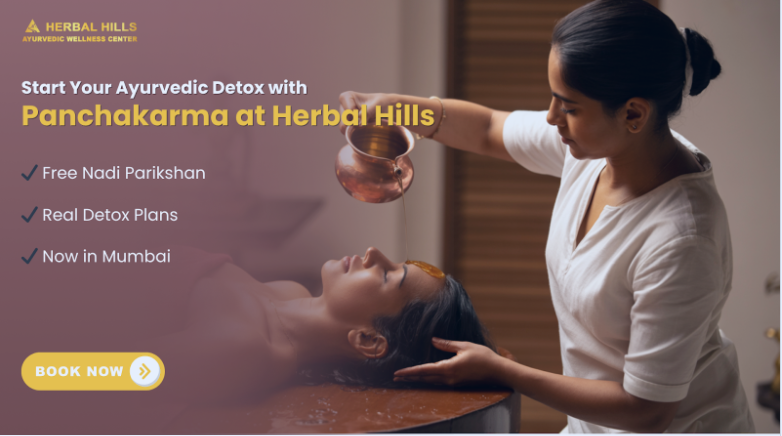
The Panchakarma Procedure Step by Step: Preparation, Main Therapy and Recovery
The Panchakarma procedure has three stages. Purvakarma prepares the body with oil massage, steam and a light diet. Pradhanakarma is the main cleansing therapy, chosen from Vamana, Virechana, Basti, Nasya and Raktamokshana. Paschatkarma is the recovery phase, with a gradual return to normal food and routine. A doctor decides which therapies suit you, and for how long.
What is Panchakarma?
Panchakarma means “five actions”. It is Ayurveda’s classical system of cleansing therapies, described in texts such as the Charaka Samhita, and it is used both to restore balance in illness and as a seasonal reset for healthy people. India’s Central Council for Research in Ayurvedic Sciences (CCRAS) supports research on Panchakarma as one of Ayurveda’s core practices.
The idea behind Panchakarma is simple: when digestion is weak and the doshas are disturbed, Ayurveda says residue (Ama) and excess dosha build up in the body. Panchakarma therapy aims to loosen and clear that excess through the body’s natural routes, and then rebuild strength. The full Panchakarma procedure always follows the same three-act structure.
Before you start: the doctor’s assessment
Every Panchakarma procedure begins with a consultation. The doctor assesses your Prakriti (natural constitution), your current imbalance, the strength of your digestion, your age, season and any medical conditions or medicines. Nadi Parikshan is part of this at our centres. From this, the doctor decides whether Panchakarma suits you now, which of the five main therapies are needed, and how long each stage should be. Some people are advised to strengthen digestion first and start later.
Stage 1: Purvakarma, the preparation
Purvakarma prepares the body so that the main therapy can work gently and safely. It usually includes three parts:
Deepana and Pachana
For a few days, herbs and a light diet are used to kindle digestion (Agni) and help digest any Ama. A simple khichdi-based diet is common.
Snehana (oleation)
Snehana means “making oily”. Externally, it is done with medicated oil massage such as Abhyanga. In some classical plans, small, increasing doses of medicated ghee are also taken internally for a few days, under close supervision.
Swedana (sudation)
After oil massage, herbal steam or other heat therapies help to relax the body and loosen excess dosha so that it can move towards the digestive tract for removal.
Depending on the plan, Purvakarma can last from three days to a week or more.
Stage 2: Pradhanakarma, the main therapy
Pradhanakarma is the heart of the Panchakarma procedure. The doctor chooses one or more of the five classical therapies, based on your dosha and concern:
Vamana
Vamana is therapeutic emesis, used mainly for Kapha-related conditions such as some respiratory and skin problems. It is done in a single carefully monitored session after preparation.
Virechana
Virechana is therapeutic purgation, used mainly for Pitta-related conditions such as acidity, some skin conditions and liver-related concerns. Herbal purgatives are taken in the morning, and the body clears the bowels over the day under observation.
Basti
Basti uses medicated enemas, either oil-based (Anuvasana) or decoction-based (Niruha). Classical texts call Basti the most important therapy for Vata, so it is widely used for joint pain, back pain, constipation and nervous-system complaints.
Nasya
Nasya is the administration of medicated oil or herbal preparations through the nose, used for conditions of the head, neck, sinuses and the senses.
Raktamokshana
Raktamokshana is traditional bloodletting, including leech therapy, used only for specific conditions, mainly certain skin and blood-related complaints.
Not everyone needs all five. Many Panchakarma plans use just one or two, chosen for the person.
Stage 3: Paschatkarma, the recovery
After the main therapy, digestion is delicate, like a fire that has just been rekindled. Paschatkarma brings you back gradually:
- Samsarjana Krama: a step-by-step diet, starting with thin rice gruel and moving through thicker gruel and soft khichdi to normal meals over several days.
- Rest and routine: avoiding late nights, heavy exercise, travel and cold exposure for a few days.
- Rasayana: rejuvenating herbs or therapies the doctor may add to rebuild strength.
Rushing back to heavy food, alcohol or late nights straight after Panchakarma is the most common mistake, and it can undo much of the benefit.
The Panchakarma procedure at a glance
| Stage | What happens | Typical length |
|---|---|---|
| Assessment | Doctor’s consultation, Nadi Parikshan, planning | One visit |
| Purvakarma | Digestive herbs, light diet, oleation, steam | 3 to 7 days or more |
| Pradhanakarma | One or more of Vamana, Virechana, Basti, Nasya, Raktamokshana | 1 day to 2 weeks, depending on therapy |
| Paschatkarma | Graduated diet, rest, Rasayana | 3 to 7 days or more |
How long does the Panchakarma procedure take?
It depends on your goal and the therapies chosen. Short programmes run for 5 to 7 days; classical full programmes can last 2 to 3 weeks or more. Our blog on how many days Panchakarma takes explains the options in detail.
What are the benefits of Panchakarma?
Panchakarma benefits are described in Ayurveda in terms of balance and renewed strength. People commonly report:
- Feeling lighter and more energetic.
- Better digestion and appetite.
- Clearer skin.
- Easier movement and less stiffness, especially with Basti.
- Deeper sleep and a calmer mind.
- A good reset of habits, which often lasts beyond the programme.
Results vary from person to person and depend on following the diet and routine, especially in the recovery stage.
Panchakarma programmes at Herbal Hills
- 5 Days Panchakarma Package: a structured reset for healthy adults who want to reset their body without a long break from work.
- Detox Pro: a gentler one-month package with eight therapy visits of about 75 minutes, combining Sarvanga Abhyanga with Anuvasana and Niruha Basti, plus medicines and diet guidance.
- Condition-focused Health Packages: one-month programmes for digestion, joints, weight, sugar, hormones and stress that use Panchakarma therapies chosen for the concern.
All are planned by a doctor after a free consultation. Read more about our Panchakarma centre in Mumbai.
Who should not have Panchakarma?
Panchakarma is not suitable for everyone or at every time. Doctors usually postpone it during pregnancy, fever, acute infection or illness, severe weakness, recent surgery, and in some heart, kidney and other medical conditions. Some therapies are adjusted or avoided for older adults and children. If you take regular medicines, keep taking them and tell the doctor; any change should be made with your prescribing physician. That is why every Herbal Hills programme starts with a doctor’s assessment.
How to prepare for your Panchakarma
- Plan your calendar: avoid travel, late nights and big events during the programme and for a few days after.
- Start eating lighter, home-cooked meals a few days before.
- Cut back on alcohol, smoking, caffeine and heavy, fried food.
- Bring a list of your medicines and recent reports to the consultation.
- Wear comfortable clothes you do not mind getting oily.
- Keep evenings free to rest; Panchakarma works best when the body is not rushed.
Common myths about Panchakarma
“Panchakarma is just a massage package.”
Massage is part of the preparation. The Panchakarma procedure includes assessment, preparation, a main cleansing therapy and a planned recovery.
“Everyone needs all five therapies.”
Most people need one or two, chosen by the doctor.
“Panchakarma is painful or exhausting.”
It is not painful. Some main therapies are tiring for a day, which is why rest and a graduated diet are built in.
“You can go straight back to normal food after.”
The recovery diet is essential; skipping it is the most common reason people feel unwell after Panchakarma.
What happens on a typical Panchakarma day?
A day during the Panchakarma procedure is calm and structured. You arrive in the morning on a light stomach. The doctor checks how you are feeling, your digestion and sleep, and adjusts the plan if needed. Then come the therapies for that stage: oil massage and steam during Purvakarma, or the main therapy during Pradhanakarma. Afterwards you rest, shower in your private room, and receive diet instructions for the rest of the day. Evenings are kept quiet: a light meal, no late nights, and no strenuous exercise.
Basti: why it is called the “half of all treatment”
Classical texts describe Basti as so important that it is called half of all Ayurvedic treatment, because it works directly on Vata, the dosha behind movement in the body. A Basti course usually alternates oil-based Anuvasana Basti with decoction-based Niruha Basti over several days. It is commonly used for joint and back pain, constipation, bloating and some nervous-system complaints. It is given by trained staff under the doctor’s supervision and is not painful, though it can feel unfamiliar the first time.
Panchakarma therapy through the seasons
Ayurveda traditionally links each main therapy to a season: Vamana in spring for Kapha, Virechana in autumn for Pitta, and Basti in the monsoon for Vata. In Mumbai, the weeks after the monsoon are a popular time to start a Panchakarma procedure, as digestion recovers and the weather cools. That said, the doctor plans around your health and calendar, not only the season.
Panchakarma and diet: what to eat during the programme
| Stage | Typical diet |
|---|---|
| Purvakarma | Light, warm, easily digested food such as khichdi, soups and cooked vegetables; warm water |
| Main therapy day | As directed by the doctor; often only light gruel after the therapy |
| Paschatkarma | Graduated diet: thin rice gruel, then thicker gruel, then soft khichdi, then normal light meals |
| After the programme | Return slowly to your usual food; keep fried food, alcohol and heavy meals limited for a while |
Is Panchakarma safe?
The Panchakarma procedure is safe when it is planned and supervised by qualified Ayurvedic doctors, with a proper assessment beforehand and monitoring during the main therapy. Problems are more likely when therapies are done without assessment, when the preparation or recovery stages are skipped, or when people with contraindications go ahead anyway. Choose a centre where a doctor plans and supervises every step.
Panchakarma procedure: questions to ask the doctor
- Does Panchakarma suit me now, or should I prepare first?
- Which of the five therapies do you suggest, and why?
- How many days will each stage take?
- What should I eat and avoid before, during and after?
- How should I manage my current medicines?
- How will I feel during the main therapy, and when can I return to work?
After Panchakarma: making the benefits last
The real value of the Panchakarma procedure shows in the weeks after it. Keep regular meal and sleep times, continue the light diet for a while, walk daily, and take any Rasayana herbs the doctor prescribes. Many people choose a regular self-care therapy afterwards, such as one of our Signature therapies, and plan a seasonal reset once or twice a year.
Panchakarma procedure for busy professionals
Many people in Mumbai assume Panchakarma means weeks off work. It does not have to. A short 5-day programme can be planned around a long weekend, with most therapies in the morning and lighter evenings. Detox Pro spreads eight visits across a month, so it fits around a normal working week. The doctor will tell you which days are best kept free, usually the main therapy day and the day after.
Panchakarma and weight, skin and joints
People often ask whether Panchakarma helps with specific concerns. In Ayurveda, it is used as part of plans for weight management, recurring skin problems, joint and back pain, digestive complaints and stress-related fatigue, usually alongside medicines, diet and routine changes. For each, the doctor picks different main therapies: Basti for Vata-led joint and back pain, Virechana for many Pitta-led skin and digestive complaints, and Udvartana with diet for weight. Our one-month Health Packages are built around these combinations.
Panchakarma procedure: the short version
Prepare, cleanse, recover. Purvakarma readies the body with digestive herbs, oil and steam. Pradhanakarma uses one or more of the five classical therapies chosen by the doctor. Paschatkarma brings you back slowly with a graduated diet and rest. Done this way, under a doctor’s care, the Panchakarma procedure is a calm, structured reset, not an ordeal.
How much does a Panchakarma procedure cost?
The cost depends on the therapies chosen, the number of days and whether medicines are included. Short programmes such as our 5-day package and one-month packages such as Detox Pro have fixed, clearly stated prices, and the doctor consultation is free. The doctor will explain the full cost of your plan before you start, so there are no surprises. For a wider view of what you are investing in, read is Ayurvedic treatment worth the cost?
Can Panchakarma be done at home?
The main Panchakarma therapies, such as Vamana, Virechana and Basti, should only be done under a doctor’s supervision at a proper centre. What you can do at home is support the process: follow the diet, rest, avoid late nights, do gentle self-massage if advised and keep up the routine afterwards. Home remedies sold as a “Panchakarma kit” are not a substitute for a supervised Panchakarma procedure.
Panchakarma for first-timers
If this is your first Panchakarma procedure, start with a shorter programme, keep your diary light, and ask the doctor to explain each day’s plan in advance. Most first-timers are surprised by how calm and restful the process feels.
Frequently asked questions
Purvakarma prepares the body with digestive herbs, oil massage, steam and a light diet. Pradhanakarma is the main therapy, chosen from Vamana, Virechana, Basti, Nasya and Raktamokshana. Paschatkarma is recovery, with a gradual return to normal food and routine.
Panchakarma means five actions. It is Ayurveda’s classical system of cleansing therapies, used to restore balance in illness and as a seasonal reset for healthy people. It is always planned by a doctor after an assessment.
No. The doctor chooses the therapies that suit your body type and concern. Many people need only one or two, such as Basti for Vata-related problems or Virechana for Pitta-related problems.
Panchakarma is not painful. Preparation therapies like oil massage and steam are relaxing. Some main therapies, such as Virechana, involve bowel movements over the day and can be tiring, and the doctor monitors you throughout.
Virechana is therapeutic purgation, one of the five main Panchakarma therapies. After preparation, herbal purgatives are taken in the morning and the body clears the bowels over the day under observation. It is used mainly for Pitta-related conditions.
Yes. Ayurveda recommends Panchakarma as a seasonal reset for healthy people too, after a doctor checks suitability. Short programmes such as a 5-day package suit busy adults.
This article is for general education and does not replace medical advice. Ayurvedic therapies and medicines at Herbal Hills are planned by qualified doctors after a personal consultation.
Panchakarma in Western Mumbai
A Panchakarma programme means repeat visits, so location matters. Herbal Hills runs five Panchakarma centres along Western Mumbai: Juhu (Andheri West), Goregaon West, Kandivali West and two in Borivali West, each with private therapy rooms and attached showers, open Tuesday to Sunday. Find your nearest centre.
Every Panchakarma starts with the right plan.