
Your Digestion Is Talking

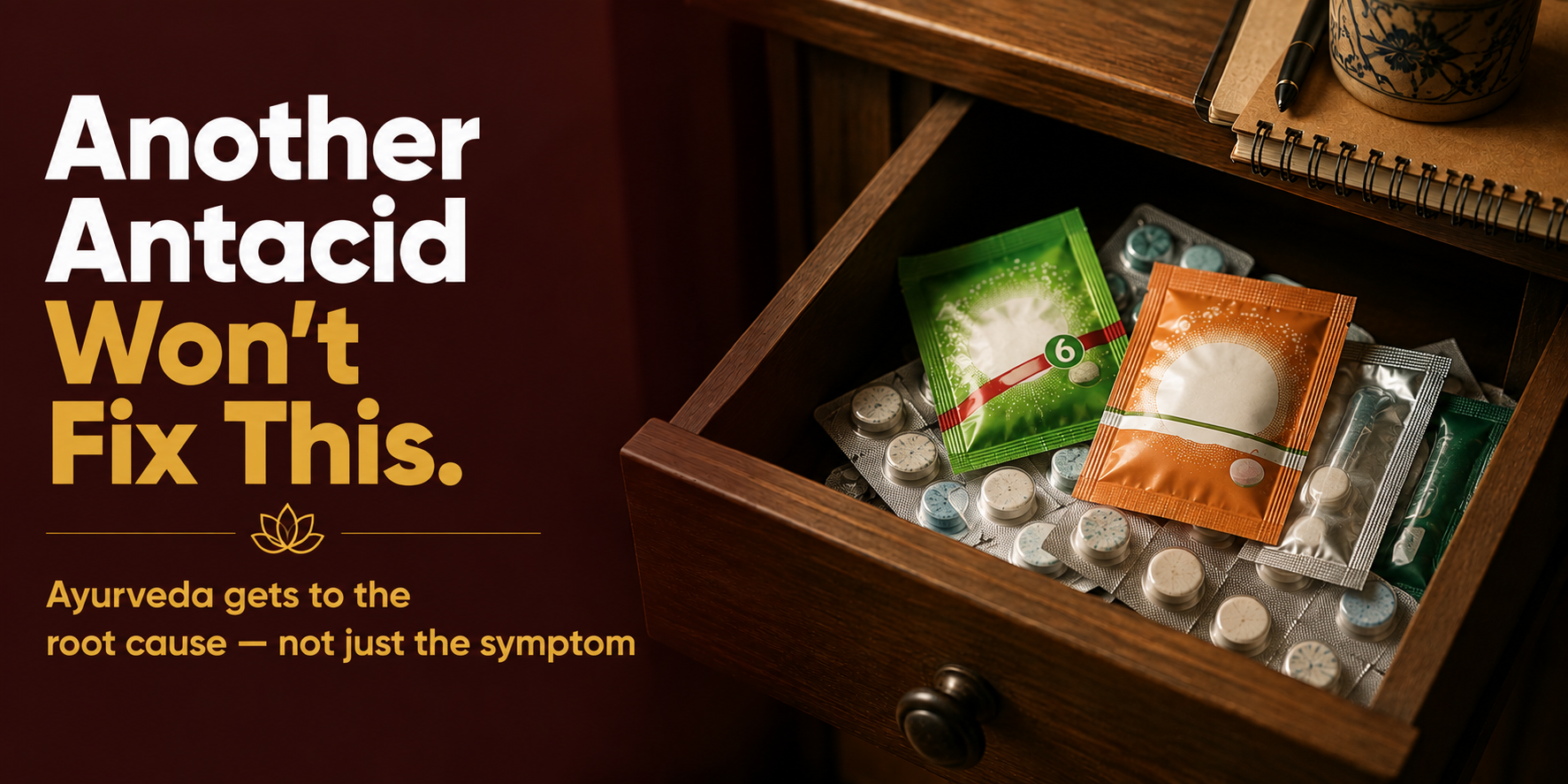
How to Improve Digestion: Signs of Weak Digestion, 10 Daily Habits That Help, When to See a Doctor, and the Detox Pro Digestion Package
How to improve digestion? Start with regular meal times, freshly cooked warm food, unhurried eating, enough water and fibre, daily movement, good sleep and less late-night eating, and see a doctor if symptoms are new, severe or do not settle. Ayurveda adds one more step: understanding your Agni, or digestive fire, so that the plan fits your body. This guide explains the signs of weak digestion, the daily habits that help most people, the warning signs that need a doctor, and how a doctor-planned programme such as Detox Pro Digestion may support you when simple changes are not enough.
The short version
- Most digestive problems improve with steady, simple habits rather than quick fixes.
- Eat at regular times, chew well and avoid very late dinners.
- Warm, freshly cooked food is easier for most people to digest.
- Sleep, stress and movement affect digestion as much as food does.
- Some symptoms need a doctor first, not home care.
- Ayurveda looks at Agni, your digestive fire, and plans care around it.
- For long-standing issues, a one-month, doctor-supervised plan such as Detox Pro Digestion may help.
Why digestion matters so much
Digestion is how the body turns food into energy, strength and repair. When it works well, you rarely think about it. When it does not, it can affect your energy, sleep, mood, skin and focus.
That is why learning how to improve digestion is one of the most useful health habits you can build. Small daily changes, repeated for weeks, usually beat any quick remedy.
Poor digestion symptoms to notice
Common poor digestion symptoms include:
- Heaviness or discomfort after meals.
- Burping, gas or a sour taste in the mouth.
- Feeling full very quickly, or no appetite at all.
- Irregular or uncomfortable bowel habits.
- Tiredness or sleepiness soon after eating.
- A coated tongue in the morning.
One of these now and then is normal. If several appear often, it is time to learn how to improve digestion and speak to a doctor.
What is indigestion?
Indigestion is a general word for discomfort in the upper tummy during or after eating. People describe it as fullness, burning, heaviness or nausea. It is very common and is often linked to eating too fast, eating too much, fatty or spicy food, alcohol, smoking or stress.
The NHS guide to indigestion explains the usual triggers and when it needs medical attention. Occasional indigestion is usually not serious, but frequent indigestion deserves a check.
Common digestive problems and their everyday triggers
| Everyday trigger | How it can affect digestion |
|---|---|
| Irregular meals | The body cannot settle into a steady rhythm |
| Eating fast or on the go | Food is poorly chewed and air is swallowed |
| Late, heavy dinners | Food sits while the body is preparing for sleep |
| Stress and worry | Digestion slows when the body is on alert |
| Little movement | The bowel tends to become sluggish |
| Low water and fibre | Stools can become hard and irregular |
How Ayurveda sees digestion: Agni
Ayurveda places digestion at the centre of health. It uses the word Agni for the digestive and metabolic fire that turns food into nourishment. When Agni is steady, food is digested on time and you feel light and energetic.
When Agni is weak or irregular, food is only partly digested. Ayurveda calls this leftover, sticky residue Ama, and links it with heaviness, sluggishness and a coated tongue. In Ayurveda, how to improve digestion begins with steadying Agni.
The four types of Agni
Classical texts describe four broad states of Agni:
- Sama Agni: balanced. Appetite and digestion are regular.
- Vishama Agni: irregular, often linked with Vata. Appetite comes and goes, with gas and dryness.
- Tikshna Agni: sharp, often linked with Pitta. Strong hunger, burning and irritability when meals are late.
- Manda Agni: slow, often linked with Kapha. Low appetite and heaviness after meals.
A doctor can help you understand which pattern fits you.
How to improve digestion: 10 daily habits
The habits below are simple, safe for most adults and easy to build into an Indian routine. You do not need to start all ten at once. Pick two or three, follow them for three to four weeks, and notice how you feel.
If you have diabetes, kidney, liver or heart disease, are pregnant or take regular medicines, check with your doctor before making big changes to your diet or fasting pattern.
Habit 1: Eat at regular times
The body likes rhythm. Eating breakfast, lunch and dinner at roughly the same times each day helps digestion settle into a steady pattern.
Ayurveda suggests making lunch the main meal, because digestion is thought to be strongest around midday. Keep breakfast and dinner lighter. Avoid long gaps followed by very large meals, which can leave you feeling heavy and uncomfortable.
Habit 2: Prefer warm, freshly cooked food
Warm, freshly cooked meals are easier to digest for most people than cold, stale or reheated food. Simple home food such as dal, rice, roti, sabzi and khichdi is a good base.
Leftovers kept for a long time, very oily food and heavy packaged snacks tend to sit longer in the stomach. If you are thinking about how to improve digestion, cooking fresh, even simply, is one of the best places to start.
Habit 3: Chew well and eat slowly
Digestion starts in the mouth. Chewing well breaks food down and mixes it with saliva, which makes the work easier for the stomach.
Sit down to eat, put your phone aside and take your time. Eating slowly also helps you notice when you are comfortably full, so you are less likely to overeat. A meal of fifteen to twenty minutes is a good aim.
Habit 4: Do not overload the stomach
Ayurveda has a simple guide: fill about half the stomach with food, a quarter with fluids and leave a quarter empty. In practice, this means stopping when you feel satisfied, not stuffed.
Overeating, especially at weddings, parties or late dinners, is one of the most common reasons for indigestion. Leave space after the meal so that you feel light, not heavy.
Habit 5: Drink water wisely
Enough water through the day supports regular bowel habits. Many people do well with warm or room-temperature water rather than ice-cold drinks.
Small sips during a meal are fine. Large amounts straight before or after eating may leave you uncomfortably full, so drink most water between meals. Warm water in the morning is a simple habit many people like.
Habit 6: Add fibre gradually
Fibre from vegetables, fruits, whole grains, dals and seeds supports healthy digestion and regular bowel habits. The MedlinePlus digestive health pages describe how diet and lifestyle support the digestive system.
Add fibre slowly over a few weeks, with enough water. A sudden jump can cause gas and discomfort, especially if your digestion is already sensitive.
Habit 7: Use kitchen spices with care
Indian kitchens already use spices that Ayurveda values for digestion, such as ginger, cumin, fennel, ajwain, coriander and a pinch of hing. Used in normal cooking amounts, they make meals easier to digest for many people.
A few fennel seeds after meals and thin buttermilk with roasted cumin at lunch are traditional habits. Very spicy food, though, can upset some stomachs, so adjust to what suits you.
Habit 8: Keep dinner early and light
A late, heavy dinner is one of the most common habits behind poor sleep and morning heaviness. Try to finish dinner two to three hours before bed.
Choose lighter dishes at night, such as soup, khichdi, vegetables or a small portion of dal and roti. Lying down soon after a big meal can make discomfort worse, so give the body time to digest before sleep.
Habit 9: Move every day
Regular movement helps the bowel work well. A gentle ten to fifteen minute walk after meals is a simple, traditional habit that many people find helpful.
Yoga, stretching, cycling or any activity you enjoy also supports digestion. Avoid hard exercise straight after a large meal. When people ask how to improve digestion without changing their whole diet, daily movement is often the easiest answer.
Habit 10: Sleep well and manage stress
Digestion and the nervous system are closely linked. When you are stressed, rushed or short of sleep, digestion often slows or becomes irregular.
Aim for seven to eight hours of sleep at regular times. Slow breathing, a short walk, prayer or meditation before meals can help the body shift out of hurry. Eating while angry or anxious is something Ayurveda specifically advises against.
How to improve digestion: a sample day
| Time | Simple habit |
|---|---|
| On waking | A glass of warm water |
| Breakfast | Light, warm food such as poha, upma or porridge |
| Mid-morning | A fruit, if hungry |
| Lunch | Main meal: rice or roti, dal, sabzi, buttermilk |
| After lunch | A short, easy walk |
| Evening | Herbal tea or a small handful of nuts |
| Dinner | Early and light: soup or khichdi |
Adjust to your routine and the advice of your doctor.
Myths about how to improve digestion
Myth: A strong digestive tablet after every meal is the answer
Fact: Regular tablets may hide a problem. Find out why the symptoms keep coming back.
Myth: Raw salads are always easiest to digest
Fact: Raw food suits some people, but many with weak digestion do better with lightly cooked vegetables.
Myth: Fasting for long hours resets digestion
Fact: Long fasts can upset some people. Any fasting should be planned with a doctor, especially if you take medicines.
When to see a doctor
Home habits are not enough for every case. See a doctor promptly if you have:
- Difficulty or pain when swallowing.
- Weight loss without trying.
- Vomiting that keeps coming back, or vomiting blood.
- Black, tarry or bloody stools.
- Severe or worsening tummy pain.
- New digestive symptoms after the age of about 55.
- Symptoms that last more than a few weeks despite changes.
Chest pain with sweating or breathlessness needs emergency care. Modern tests come first for these signs.
Why the same fix does not work for everyone
Two people with the same complaint can have very different causes: late meals, constant stress, or a medical condition that needs tests.
That is why repeating the same remedy often fails. The useful question is not which product to try next, but what is actually behind your digestive problems. A doctor’s assessment answers that before any treatment is suggested.
How Herbal Hills doctors assess digestion
At Herbal Hills, care begins with a free doctor consultation, including Nadi Parikshan, the traditional Ayurvedic pulse assessment. The doctor asks about your appetite, meals, bowel habits, sleep, stress and medical history.
They also look at your Agni and signs of Ama. If anything suggests a need for medical tests, the doctor will say so first. Only then does the doctor explain how to improve digestion in your case.
Four levels of digestive care at Herbal Hills
- Individual therapies for a specific complaint, lasting about 30 to 90 minutes. The doctor may choose Udar Abhyanga, Sarvanga Abhyanga, Nadi Swedan, Virechana or Basti therapies.
- Signature treatments for relaxation and circulation when nothing feels quite right.
- Detox Pro Therapy Package for long-standing issues.
- Detox Pro Digestion Health Package, the same plan with the medicine kit included.
Your doctor helps you choose the level that fits.
What is Detox Pro Digestion?
Detox Pro Digestion is a one-month, doctor-supervised programme for people whose digestive problems have gone on for months. It includes consultations and follow-up, eight personalised therapy sessions of about 75 minutes each, and diet and lifestyle guidance.
The doctor tracks your progress through the month. It is one structured way to work on how to improve digestion when simple home changes have not been enough on their own.
Therapy Package or Health Package?
| Included | Therapy Package | Health Package |
|---|---|---|
| Consultations and follow-up | Yes | Yes |
| Eight therapy sessions | Yes | Yes |
| Diet and lifestyle guidance | Yes | Yes |
| Ayurvedic medicine kit | Billed separately, if prescribed | Included |
See the Detox Pro Therapy Package for details.
Therapies a doctor may use for digestion
- Udar Abhyanga: a gentle warm-oil massage of the abdomen.
- Sarvanga Abhyanga: a full body oil massage.
- Nadi Swedan: localised herbal steam.
- Virechana: a classical, doctor-supervised cleansing therapy.
- Basti: Anuvasan Basti or Niruha Basti, chosen by the doctor where suitable.
The doctor decides what suits you and explains each step first.
Ayurvedic medicines for digestion
Ayurveda has many formulations traditionally used to support digestion. They should be taken only as prescribed by a doctor, who considers your Agni, other health conditions and any medicines you already take.
If medicines are prescribed, they are available at the in-house Ayurvedic medicine shop. Self-medicating with strong herbal powders can sometimes make digestion worse, so a consultation first is the safer route.
How to improve digestion in 14 days
- Days 1 to 3: Fix your meal times and finish dinner earlier.
- Days 4 to 6: Eat sitting down, slowly, without screens.
- Days 7 to 9: Add a short walk after lunch and dinner.
- Days 10 to 12: Swap one packaged snack a day for fruit or nuts.
- Days 13 to 14: Note your energy, sleep and comfort after meals.
If nothing changes after a few weeks, book a consultation.
Key takeaways
- How to improve digestion comes down to rhythm, fresh food, calm eating, movement and sleep.
- Notice poor digestion symptoms early and act on them.
- Warning signs need a doctor and tests first.
- Ayurveda works on Agni and plans care around the person.
- Detox Pro Digestion offers a structured, doctor-supervised month when simple habits are not enough.
Frequently asked questions
Eat at regular times, choose warm freshly cooked food, chew slowly, keep dinner early and light, drink water between meals, add fibre gradually, walk after meals, and sleep seven to eight hours. Give these habits three to four weeks.
Common signs include heaviness after meals, burping or gas, feeling full quickly, low appetite, irregular bowel habits, tiredness after eating and a coated tongue in the morning.
See a doctor if indigestion comes with difficulty swallowing, weight loss, repeated vomiting, black or bloody stools, severe pain, or if it starts after about 55. Chest pain with sweating needs emergency care.
Ayurveda links digestion with Agni, the digestive fire. When Agni is weak or irregular, undigested residue called Ama may build up. Care focuses on steadying Agni through diet, routine, therapies and medicines prescribed by a doctor.
It is a one-month, doctor-supervised programme with consultations, follow-up, eight personalised therapy sessions of about 75 minutes each, and diet and lifestyle guidance. The Health Package also includes the medicine kit.
Yes. A doctor first understands your symptoms, habits and medical history, checks for any warning signs, and then suggests whether individual therapies, a Signature treatment or a Detox Pro package suits you.
This article is for general education and does not replace medical advice. Ayurvedic therapies and medicines at Herbal Hills are planned by qualified doctors after a personal consultation.
Find a Herbal Hills centre near you
A doctor can help you understand what is behind your digestive symptoms and plan the right next step. Herbal Hills has five centres in Western Mumbai, in Juhu (Andheri West), Goregaon West, Kandivali West and two in Borivali West, open Tuesday to Sunday, 10 am to 7 pm. Find your nearest centre.
Understand the cause. Then improve the habit.
One thought on “Your Digestion Is Talking”