

Blog
Quiet Mind, Deeper Sleep

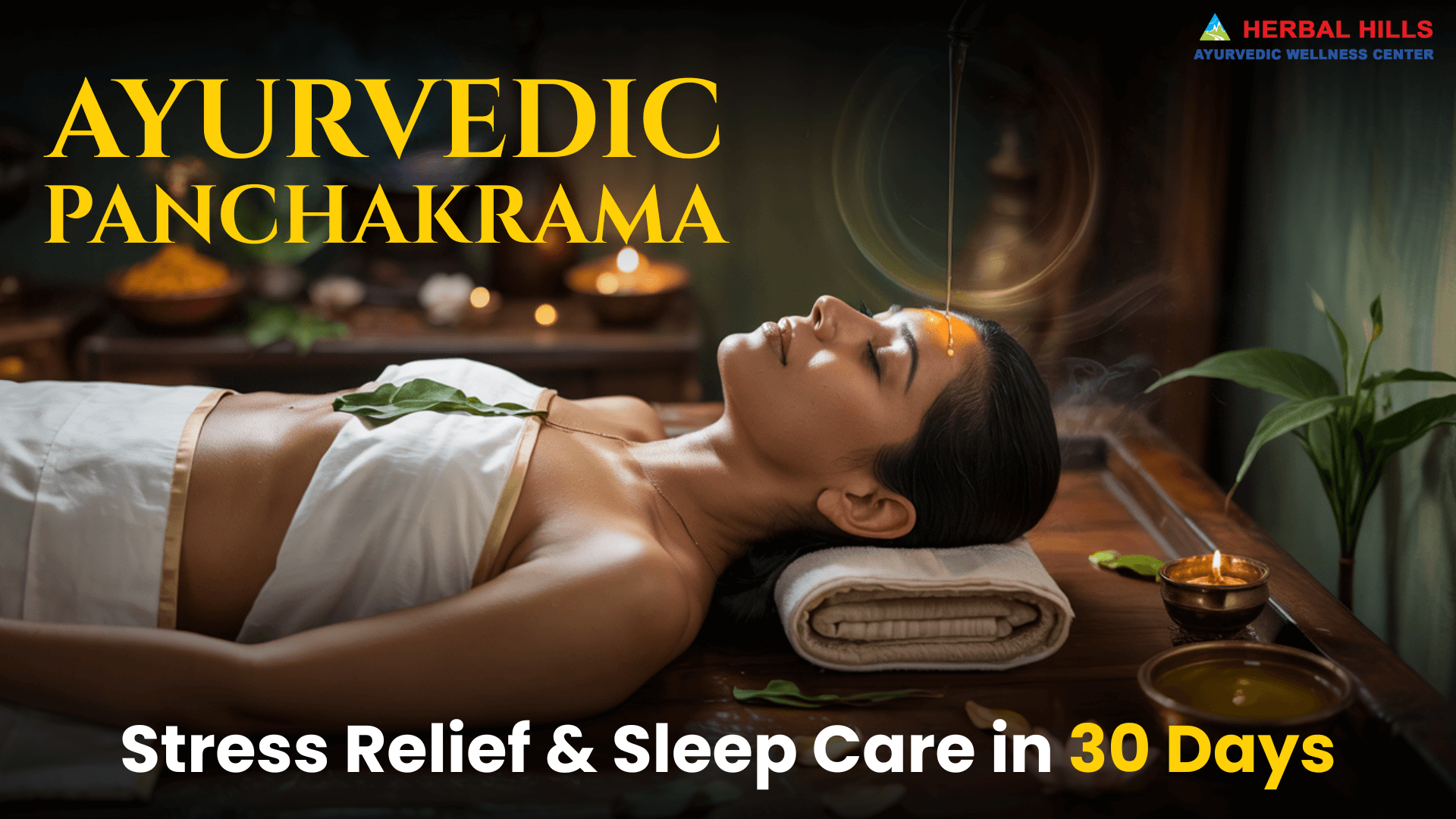
How to Reduce Anxiety and Stress: 10 Ayurvedic Habits That Calm the Mind and Help You Sleep
How to reduce anxiety and stress, according to Ayurveda? Start with routine: fixed meal and sleep times, warm food, daily movement, slow breathing, less late-night screen time and a calming bedtime ritual. These habits steady Vata, the dosha most linked with worry and poor sleep. When anxiety is severe or lasts for weeks, add professional help alongside them.
Why stress and sleep are so closely linked
Stress keeps the mind switched on at night. Poor sleep then makes the next day’s stress harder to handle, and the cycle repeats. Many people notice the pattern: racing thoughts at bedtime, waking at 3 am, and a tired, irritable morning.
Ayurveda breaks the cycle from both ends. During the day, routine, food and movement calm the nervous system. At night, a simple wind-down ritual prepares the body for rest. Learning how to reduce anxiety and stress is therefore as much about your evening as your working day.
How Ayurveda explains anxiety and stress
Ayurveda links worry, restlessness and light sleep mainly with aggravated Vata, the dosha of movement. Irregular meals, late nights, travel, overwork, constant screens and cold, dry food all push Vata up. When Pitta is involved, stress shows as irritability, anger, acidity and waking in the early hours. When Kapha is involved, it can look like heaviness, oversleeping and low motivation.
So the right approach depends on how stress shows up in you. The habits below suit most people; a doctor can fine-tune them for your body type.
Habit 1: Keep fixed times for meals and sleep
Regularity is the single most calming habit for Vata. Eat at roughly the same times each day, and go to bed and wake up at the same times, even on weekends. The body settles when it knows what to expect.
If your schedule is unpredictable, anchor just two things: a fixed wake-up time and a fixed time for your main meal. Many people find their sleep improves within two weeks of this one change.
Habit 2: Eat warm, simple meals
Ayurveda sees warm, freshly cooked food as grounding for an anxious mind. Khichdi, soups, cooked vegetables, a little ghee and seasonal fruit suit most people under stress. Skipping meals, eating at your desk and very late, heavy dinners all aggravate Vata and Pitta.
Keep dinner light and at least two to three hours before bed. A warm, early dinner is one of the simplest ayurvedic remedies for sleep.
Habit 3: Cut back on caffeine and late-night screens
Tea and coffee after mid-afternoon can keep the mind alert well into the night. Screens add bright light and a steady stream of messages, news and comparison. Both feed anxiety and delay sleep.
Try a simple rule: no caffeine after 3 pm, and phones away an hour before bed. Charge your phone outside the bedroom if you can. It sounds small, but it is one of the most effective answers to how to reduce stress at night.
Habit 4: Move your body every day
Physical activity is one of the most reliable ways to reduce stress. A brisk 30-minute walk, yoga, swimming or cycling helps the body use up stress energy and supports deeper sleep. The NHS lists being active among its top tips for stress.
Ayurveda suggests moderate exercise, roughly half of your capacity. Very intense workouts late in the evening can leave a Vata or Pitta person more wired, so earlier in the day is usually better.
Habit 5: Breathe slowly
Slow breathing is the fastest way to calm anxiety in the moment. Try breathing in for four counts and out for six, for five minutes. Longer exhales signal safety to the nervous system.
Ayurveda and yoga also use Anulom Vilom (alternate nostril breathing) and Bhramari (humming bee breath). Practise once in the morning and once before bed. These are simple tools for how to calm anxiety without any equipment.
Habit 6: Oil your feet and scalp at night
Warm oil massage is one of Ayurveda’s oldest calming rituals. Massaging a little warm oil into the soles of the feet and the scalp before bed is traditionally used to settle Vata and support sleep. Many people find it helps them switch off.
A full-body self-massage (Abhyanga) before a warm bath once or twice a week adds deeper relaxation. Your doctor can suggest a suitable oil for your body type.
Habit 7: Give your thoughts somewhere to go
Overthinking at bedtime often comes from unfinished tasks and unspoken worries. Writing helps. Spend five minutes before bed noting tomorrow’s three priorities and anything on your mind. Once it is on paper, the mind can let go.
During the day, separate what you can act on from what you cannot. Act on the first; set a short ‘worry time’ for the second instead of carrying it all day. These are practical steps for how to reduce overthinking.
Habit 8: Spend time outside and with people
Morning daylight helps set the body clock for better sleep at night. Ten minutes outdoors after waking, a walk at lunch or time in a park at weekends all help. Time with friends and family also protects against stress; isolation tends to deepen anxiety.
Ayurveda links nature and good company with Sattva, the calm, clear quality of mind. Even a short daily dose counts.
Habit 9: Choose calming food and drinks
Ayurveda traditionally suggests warm milk with a pinch of nutmeg or cardamom at bedtime, if milk suits you. Herbal teas such as chamomile, tulsi or a mild ginger tea are good alternatives to evening coffee. Soaked almonds, dates and warm, cooked food are considered grounding.
Alcohol may make you sleepy at first, but it disturbs sleep later in the night and can worsen anxiety the next day.
Habit 10: Know when herbs and therapies help
Some people need more than routine. Ayurvedic herbs such as Brahmi, Ashwagandha, Shankhpushpi and Jatamansi are traditionally used for stress and sleep, and therapies such as Shirodhara, Shiro Abhyanga and Nasya for deep relaxation. The right choice depends on your body type and health, so herbs should be chosen by a doctor.
Our blog on Ayurvedic medicine for stress explains how doctors decide.
A simple bedtime routine for better sleep
- Three hours before bed: finish a light, warm dinner.
- One hour before bed: phones and laptops away; dim the lights.
- Forty-five minutes before: warm bath or shower; oil your feet and scalp.
- Thirty minutes before: warm milk or herbal tea; write tomorrow’s priorities.
- In bed: five minutes of slow breathing, out longer than in.
Keep the same routine every night for two weeks before judging whether it works.
How stress shows up in different body types
| Pattern | Typical signs | What usually helps |
|---|---|---|
| Vata | Racing thoughts, worry, trouble falling asleep, constipation, tiredness | Regular routine, warm food, oil massage, slow breathing |
| Pitta | Irritability, anger, acidity, waking at 2 to 3 am | Cooling food, fewer late nights, breaks, calming herbs on advice |
| Kapha | Heaviness, oversleeping, comfort eating, low motivation | Morning exercise, lighter food, an early, active routine |
What to do when anxiety strikes during the day
- Pause and take five slow breaths, out longer than in.
- Put both feet flat on the floor and notice five things you can see.
- Step outside for a few minutes of fresh air or a short walk.
- Drink a glass of warm water.
- Write down the worry and one small next step.
These quick steps do not remove the cause of stress, but they can lower the intensity enough for you to think clearly.
Common myths about anxiety, stress and sleep
“You can catch up on sleep at weekends.”
Irregular sleep times unsettle Vata further. Regularity matters more than long lie-ins.
“Alcohol helps you sleep.”
It may make you drowsy, but it disturbs deeper sleep later in the night.
“Stress is always bad.”
Short-term stress can help you perform. The problem is stress that never switches off.
“Herbs alone will fix it.”
Herbs work best alongside routine changes, not instead of them.
When to seek professional help
Please contact a doctor or mental health professional promptly if anxiety stops you from working or functioning at home, if you have panic attacks, feel hopeless, or have thoughts of harming yourself. The World Health Organization notes that persistent stress can affect both mental and physical health. Ayurvedic care can support wellbeing, but it should work alongside professional care when that is needed. Do not stop any prescribed medicine without your doctor’s advice.
How Herbal Hills supports stress and sleep
At our centres, care starts with a free consultation and Nadi Parikshan, so the doctor can see how stress is affecting your body. From there, the plan may include routine and diet advice, herbs chosen for you, relaxation therapies such as the Sukha Signature therapy, or the one-month Mann Shuddhi package for stress and sleep problems that have lasted months. For persistent insomnia, ask about our Ayurvedic insomnia care.
How to reduce anxiety and stress: the short version
Keep fixed times for meals and sleep, eat warm, simple food, limit caffeine and late-night screens, move every day, breathe slowly, oil your feet and scalp at night, write down your worries and spend time outside with people. Give it two weeks. If anxiety stays high or affects daily life, see a doctor and a mental health professional. That is how to reduce anxiety and stress the Ayurvedic way, safely and steadily.
How to reduce anxiety and stress at work
Work is one of the biggest sources of stress for Mumbai professionals: long hours, commutes, targets and constant messages. A few habits help during the working day:
- Start the day with your most important task before checking messages.
- Take a five-minute break every hour; stand, stretch and breathe slowly.
- Eat lunch away from your desk.
- Set a fixed time to stop checking work messages in the evening.
For leaders, our blog on how to stay calm under pressure goes further.
How to reduce anxiety and stress in students
Exams, competition and screen time put many students under heavy pressure. The same Ayurvedic habits apply: regular sleep, warm meals, daily movement and limited late-night screens. Short study blocks with breaks, enough sleep before exams and time outdoors help memory and calm more than all-night studying.
Parents can help by keeping the home routine steady and watching for signs that stress has become overwhelming, such as withdrawal, sleep problems or loss of appetite. Professional support is valuable when these appear.
Ayurvedic remedies for sleep: a closer look
| Remedy | How it is used | Note |
|---|---|---|
| Warm milk with nutmeg | A small cup 30 minutes before bed | Skip if milk does not suit you |
| Foot and scalp oiling | A few minutes of massage before bed | Use a doctor-suggested oil |
| Early, light dinner | Finish two to three hours before bed | One of the most effective changes |
| Slow breathing | Five minutes in bed, exhale longer | Safe for almost everyone |
| Herbs such as Brahmi or Jatamansi | As prescribed | Only after a doctor’s advice |
How to reduce anxiety and stress: a two-week plan
Week one: fix your wake-up time and bedtime, finish dinner by 8 pm, take a 30-minute walk daily and put phones away an hour before bed. Week two: add five minutes of slow breathing morning and evening, foot oiling at night and a written list of tomorrow’s priorities before sleep.
Keep a simple note each morning of how you slept and how anxious you felt the day before. Most people see a clear pattern within two weeks, which shows which habits matter most for them. This is a practical, low-cost way to learn how to reduce anxiety and stress in your own life.
Anxiety, stress and digestion
Many people with anxiety also notice acidity, bloating, loose stools or loss of appetite. Ayurveda sees the gut and the mind as closely linked: stress weakens digestion, and poor digestion unsettles the mind. Warm, regular meals, avoiding eating while stressed or rushed, and a calm few minutes before eating can ease both. If digestive symptoms persist, see a doctor.
How to reduce anxiety and stress: what to avoid
Some common habits make anxiety and stress worse: skipping meals, drinking coffee late in the day, scrolling news before bed, alcohol to relax, irregular sleep and isolating yourself. Cutting back on these is often as powerful as adding new habits. Learning how to reduce anxiety and stress is as much about what you stop as what you start.
How to reduce anxiety and stress with Ayurveda: one last tip
Pick just two habits from this list and keep them for 14 days before adding more. Small, steady wins build confidence, and confidence itself reduces stress. That is the gentlest way to learn how to reduce anxiety and stress without feeling overwhelmed by changes.
Frequently asked questions
Keep regular meal and sleep times, eat warm, freshly cooked food, exercise daily, practise slow breathing, limit caffeine and late-night screens, and use a calming bedtime routine. If anxiety is severe or lasts for weeks, add professional help alongside these habits.
A light, early dinner, a fixed bedtime, warm oil on the feet and scalp before bed, warm milk with nutmeg if suitable, slow breathing and no screens in the last hour. Herbs such as Brahmi or Jatamansi may help some people, but only after a doctor’s advice.
Write down tomorrow’s priorities and any worries before bed, put your phone away an hour earlier, and spend five minutes on slow breathing in bed. During the day, act on what you can and set aside a short time for worries you cannot solve yet.
Many people notice calmer evenings and better sleep within two to three weeks of keeping a regular routine. Deeper changes in energy and resilience usually take longer, especially when stress has built up over months.
Shirodhara, a steady stream of warm medicated oil over the forehead, is widely used for relaxation and sleep, along with Shiro Abhyanga and Nasya. A doctor decides which therapy suits you and how many sessions are needed.
See a doctor or mental health professional if anxiety affects work or home life, if you have panic attacks, feel hopeless, or have thoughts of self-harm. Ayurveda can support wellbeing alongside professional treatment, not replace it.
This article is for general education and does not replace medical advice. Ayurvedic therapies and medicines at Herbal Hills are planned by qualified doctors after a personal consultation.
Calm, close to where you live
When you are already stretched, a long drive defeats the purpose. Herbal Hills has five centres across Western Mumbai, in Juhu (Andheri West), Goregaon West, Kandivali West and two in Borivali West, open Tuesday to Sunday, 10 am to 7 pm. Find the one nearest you.
Let a doctor see what stress is doing to your body.