

Blog
Your Twenties, Your Foundation

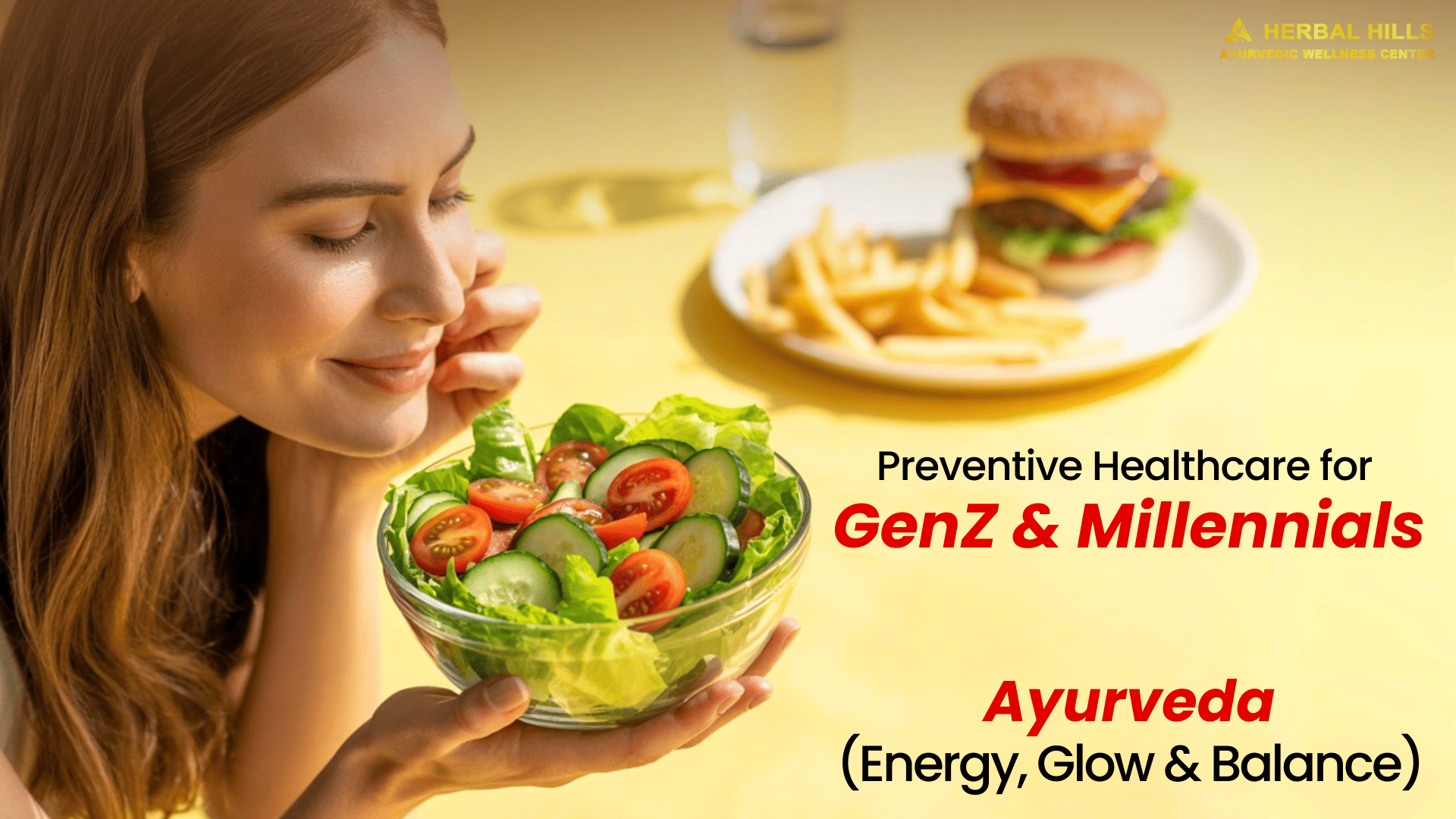
Healthy Lifestyle Tips for Gen Z: 15 Simple Ayurvedic Habits for Sleep, Food, Screens and Stress
The most useful healthy lifestyle tips are simple: wake and sleep at regular times, eat fresh home-style meals at fixed hours, move your body every day, keep screens out of the last hour before bed, drink enough water and give your mind daily quiet time. Ayurveda adds one more idea that suits Gen Z well: small habits, repeated daily, matter more than big plans you cannot keep.
The short version
- Sleep and wake at about the same time every day.
- Eat your main meal at lunch and keep dinner light and early.
- Move for at least 30 minutes most days.
- Put the phone away an hour before bed.
- Choose home food over delivery most days.
- Take short breaks from sitting.
- Make time for friends, quiet and nature.
- Get a check-up if something feels off.
These healthy lifestyle tips cost nothing and work best together.
Why Gen Z is paying attention to health
Many young adults have watched parents and older cousins deal with diabetes, high blood pressure, weight gain, thyroid problems or burnout, often before 40. Gen Z does not want to repeat that story.
The problem is that information online is endless and often confusing. Clear, simple healthy lifestyle tips help cut through the noise and turn interest into daily practice.
What a healthy lifestyle really means
A healthy lifestyle is not a perfect diet or a punishing gym plan. It is a steady pattern of sleep, food, movement, rest and connection that keeps your energy stable and your mind clear.
The World Health Organization highlights a varied diet with plenty of vegetables, fruit and whole grains, and less salt, sugar and processed fat. Ayurveda agrees and adds attention to timing, digestion and your own body type.
The Ayurvedic lifestyle in one paragraph
An Ayurvedic lifestyle rests on three ideas. First, strong digestion, or Agni, is the base of good health. Second, each person has a unique balance of the three doshas, Vata, Pitta and Kapha, so one plan does not suit everyone. Third, daily and seasonal routines keep that balance steady.
None of this needs special equipment. It asks you to notice how food, sleep and stress affect you, and to adjust gently.
Healthy lifestyle tips for sleep
Sleep is the habit that supports every other habit. Most young adults need seven to nine hours.
- Go to bed and wake up at roughly the same time, even on weekends.
- Aim to sleep before 11 pm where you can.
- Keep the room dark, cool and quiet.
- Avoid tea, coffee and energy drinks after mid-afternoon.
- A warm shower or a few minutes of slow breathing helps the body slow down.
Ayurveda links late nights with disturbed Vata and Pitta, which can show up as restlessness, acidity or poor focus.
Screens and the late-night scroll
Reels and short videos are designed to keep you watching. Bright screens late at night also delay sleepiness.
Try these simple steps:
- Charge your phone outside the bedroom.
- Set a screen-off time one hour before bed.
- Use that hour for reading, music, journalling or light stretching.
- Turn off non-essential notifications.
Of all the healthy lifestyle tips here, this one often brings the fastest change in how rested you feel.
Healthy lifestyle tips for food
Food is where Ayurveda gives the most practical guidance.
- Eat at regular times rather than grazing all day.
- Make lunch your largest meal, when digestion is strongest.
- Keep dinner light and finish it two to three hours before bed.
- Choose fresh, warm, home-cooked food most days.
- Include dal, vegetables, whole grains, curd or buttermilk at lunch, and seasonal fruit.
- Eat sitting down, without a screen, and chew well.
Food delivery without the guilt
Ordering in is part of modern life, and that is fine. The aim is balance, not perfection.
- Keep delivery to a few meals a week.
- Pick grilled, steamed or home-style dishes over deep-fried ones.
- Add a salad or dal instead of extra bread or fries.
- Skip sugary drinks with the meal.
- Avoid ordering late at night.
Cooking even two or three simple meals a week, such as khichdi or a vegetable poha, gives you more control over what you eat.
Water, tea and energy drinks
Many young people run on coffee, sweet cold drinks and energy drinks. These can disturb sleep, digestion and mood.
Healthier swaps:
- Start the day with a glass of warm water.
- Sip water through the day instead of large amounts at once.
- Try buttermilk, coconut water or plain lemon water in place of soft drinks.
- Keep coffee to one or two cups, before mid-afternoon.
Ayurveda prefers warm or room-temperature water over ice-cold drinks for easier digestion.
Healthy lifestyle tips for movement
You do not need a gym membership to stay active. The goal is regular movement you enjoy.
- Aim for at least 150 minutes of moderate activity a week, such as brisk walking, cycling, dancing or sport.
- Add strength work, like body-weight exercises, two days a week.
- Practise yoga for flexibility and calm.
Ayurveda suggests exercising to about half your capacity, so you feel energised afterwards rather than drained.
Sitting all day at college or work
Long hours at a laptop are common for students and young professionals. Sitting for hours without a break is linked with stiffness, back pain, weight gain and low energy.
- Stand up and move for two to three minutes every 30 to 45 minutes.
- Set your screen at eye level.
- Keep your feet flat and your back supported.
Small breaks add up to a lot of movement over a week.
Healthy lifestyle tips for stress
Exams, first jobs, money, relationships and constant comparison on social media all add pressure. Some stress is normal; constant stress wears you down.
- Practise slow breathing for five minutes a day.
- Try short meditation or simple pranayama such as Anulom Vilom.
- Spend time outdoors.
- Talk to friends and family, not only online.
Ayurveda sees a calm mind as part of good digestion and good sleep.
Social media and self-image
Online feeds are full of edited bodies, quick-fix diets and extreme routines. Comparing yourself to them can affect mood and eating habits.
Some healthy lifestyle tips for your feed:
- Unfollow accounts that make you feel worse about yourself.
- Check health claims with a qualified doctor.
- Take regular social media breaks.
A healthy lifestyle is built for your body, not for a camera.
How to maintain a healthy lifestyle when life is busy
Knowing what to do is easy; doing it every day is hard. To maintain a healthy lifestyle, make habits small and specific.
- Pick one habit at a time and repeat it for three to four weeks.
- Link a new habit to an old one, such as stretching after brushing your teeth.
- Prepare the night before: water bottle filled, clothes ready.
- Expect off days and simply restart the next day.
Consistency matters more than intensity.
A simple morning routine
Ayurveda calls the daily routine Dinacharya. A short version that suits a busy student or worker:
- Wake at a fixed time, ideally around sunrise.
- Drink a glass of warm water.
- Brush your teeth and clean your tongue.
- Move for 10 to 20 minutes: yoga, a walk or stretches.
- Sit quietly for a few minutes.
- Eat a fresh, warm breakfast.
For the full routine, read our guide on the Ayurvedic daily routine.
A simple evening routine
- Finish dinner early and keep it light.
- Take a short walk after dinner.
- Dim the lights and lower screen use.
- Massage your feet with a little warm oil before bed if you like; many people find it relaxing.
- Sleep at your usual time.
A calm evening is one of the most underrated healthy lifestyle tips. It sets up good sleep and a better morning.
Know your body type
Ayurveda says people differ in body and mind. Broadly:
| Dominant dosha | Common traits | Helpful habits |
|---|---|---|
| Vata | Light build, active mind, can feel anxious or have dry skin | Regular meals, warm food, steady sleep |
| Pitta | Strong appetite, focused, can get irritable or have acidity | Avoid skipping meals, limit spicy food, keep cool |
| Kapha | Steady, calm, can feel sluggish or gain weight easily | Daily exercise, lighter meals, early waking |
A doctor can assess your type through a consultation.
Seasonal habits
Ayurveda also adjusts habits with the season, called Ritucharya.
- Summer: more water, cooling foods like cucumber and buttermilk, avoid harsh midday sun.
- Monsoon: lighter, freshly cooked food, boiled or filtered water, care with street food.
- Winter: appetite is stronger, so nourishing meals and regular oil massage suit many people.
Small seasonal changes help you stay comfortable through Mumbai’s weather shifts.
Healthy lifestyle tips for skin and hair
Clear skin and healthy hair often reflect sleep, food and stress more than products.
- Drink enough water.
- Eat plenty of fresh vegetables and fruit.
- Limit sugary and fried foods.
- Sleep on time.
- Keep your skincare simple and gentle.
- Use a regular head oil massage if your doctor feels it suits you.
If you have ongoing acne, hair fall or skin problems, see a doctor rather than trying many products at once.
Herbs and supplements: go carefully
Gen Z is curious about herbs such as Ashwagandha, Triphala and Amla. These have a long history in Ayurveda, but they are not right for everyone at every time.
- Take herbs only as prescribed by a doctor.
- Tell your doctor about any other medicines you use.
- Avoid buying random products online based on influencer posts.
Myths about healthy living
Myth: You need expensive food to eat well.
Dal, rice, seasonal vegetables, curd and fruit are affordable and nourishing.
Myth: Skipping meals helps you stay fit.
It often leads to overeating later and disturbs digestion.
Myth: Natural means safe in any amount.
Herbs can have effects and side effects. Use them with a doctor’s advice.
Myth: Health can wait until later.
Habits formed in your twenties shape health for decades.
Why your twenties matter
The habits you build now tend to stay with you. Regular sleep, balanced food and daily movement in your twenties support healthy weight, steady energy and a calmer mind later in life.
Lifestyle-related conditions such as type 2 diabetes and high blood pressure are appearing at younger ages. Simple healthy lifestyle tips followed early are one of the best investments you can make in your future self.
Mental health matters too
A healthy lifestyle includes your emotional health. Feeling low, anxious or overwhelmed for weeks is not something to push through alone.
- Talk to someone you trust.
- Keep regular sleep, meals and movement, which support mood.
- Reach out to a qualified mental health professional if feelings are strong or lasting.
If you ever have thoughts of harming yourself, seek urgent help from a doctor or emergency services right away.
Healthy lifestyle tips: a weekly checklist
| Habit | Weekly goal |
|---|---|
| Sleep on time | 5 or more nights |
| Home-cooked meals | Most days |
| Movement | 150 minutes or more |
| Screen-free hour before bed | 5 or more nights |
| Quiet time or breathing | Daily, 5 minutes |
| Time outdoors | 3 or more times |
| Sugary drinks | 2 or fewer |
Tick what you achieve and build from there.
Start small: a 7-day plan
- Day 1: Fix a wake-up time.
- Day 2: Add a glass of warm water in the morning.
- Day 3: Take a 20-minute walk.
- Day 4: Eat dinner at least two hours before bed.
- Day 5: Keep your phone out of the bedroom.
- Day 6: Cook one simple meal.
- Day 7: Look back and keep the habits that felt good.
One week of small steps is a strong start.
When to see a doctor
Healthy habits support good health, but they do not replace medical care. See a doctor if you notice:
- Constant tiredness despite enough sleep.
- Sudden weight gain or loss.
- Irregular or painful periods.
- Ongoing acidity, bloating or bowel changes.
- Frequent headaches or poor sleep.
- Low mood or anxiety that lasts more than two weeks.
Chest pain, breathlessness, fainting or severe pain need urgent medical care first.
Regular check-ups in your twenties
Even if you feel fine, a basic health check every year or two is sensible, especially if diabetes, heart disease or thyroid problems run in your family. Your doctor may suggest blood pressure, blood sugar, cholesterol or vitamin levels depending on your history.
Ayurvedic advice works well alongside these modern check-ups. Our guide to preventive healthcare explains how the two fit together.
How Herbal Hills supports young adults
At Herbal Hills, a doctor looks at your sleep, food, stress, digestion and body type during a free consultation that includes Nadi Parikshan, or pulse assessment.
From there, the doctor may suggest diet and routine changes, and, where they suit you, therapies such as a relaxing Abhyanga oil massage or one of our Signature therapies. Any medicines are given only as prescribed, from our in-house medicine shop.
What to expect at your first visit
- A relaxed conversation about your daily routine and concerns.
- Nadi Parikshan and a review of your body type.
- Simple, practical advice you can start the same day.
- A clear explanation if any therapy is suggested, and why.
Therapies take place in private rooms with attached showers, using Herbal Hills oils from our range of 40+ oils. You are never pushed into a package; the plan is built around you.
Key takeaways
- Healthy lifestyle tips work best when they are simple and repeated daily.
- Sleep, food timing, movement and screen limits matter most.
- Ayurveda adds attention to digestion, body type and seasons.
- Use herbs only as prescribed by a doctor.
- See a doctor for symptoms that do not settle.
Frequently asked questions
Sleep and wake at regular times, eat fresh home-style meals at fixed hours with a light early dinner, move for at least 30 minutes most days, limit screens before bed, drink enough water and make time for rest and friends.
Keep habits small and specific. Fix a wake-up time, eat regular meals, take movement breaks while studying, limit late-night scrolling and cook simple meals when you can. Restart the next day if you slip.
An Ayurvedic lifestyle focuses on strong digestion, a daily routine, seasonal habits and living in line with your body type. It uses food timing, sleep, movement, oil massage and calm practices to keep the body and mind balanced.
Yes. Ayurvedic daily habits such as regular meals, early dinners, good sleep and gentle exercise suit people of all ages. Any herbs or therapies should be planned by a qualified doctor after a consultation.
Not without advice. Herbs such as Ashwagandha or Triphala are not right for everyone. Take them only as prescribed by a doctor, and remember they do not replace sleep, food and exercise.
See a doctor for constant tiredness, sudden weight change, irregular periods, ongoing digestive problems, frequent headaches or low mood lasting more than two weeks. Seek urgent care for chest pain, breathlessness or fainting.
This article is for general education and does not replace medical advice. Ayurvedic therapies and medicines at Herbal Hills are planned by qualified doctors after a personal consultation.
Visit a Herbal Hills centre
A free consultation is a simple way to get healthy lifestyle advice made for you. Herbal Hills has five centres in Western Mumbai, in Juhu (Andheri West), Goregaon West, Kandivali West and two in Borivali West, open Tuesday to Sunday, 10 am to 7 pm. Find your nearest centre.
Small habits now. Big returns later.
One thought on “Your Twenties, Your Foundation”