

Blog
Full, Not Bloated

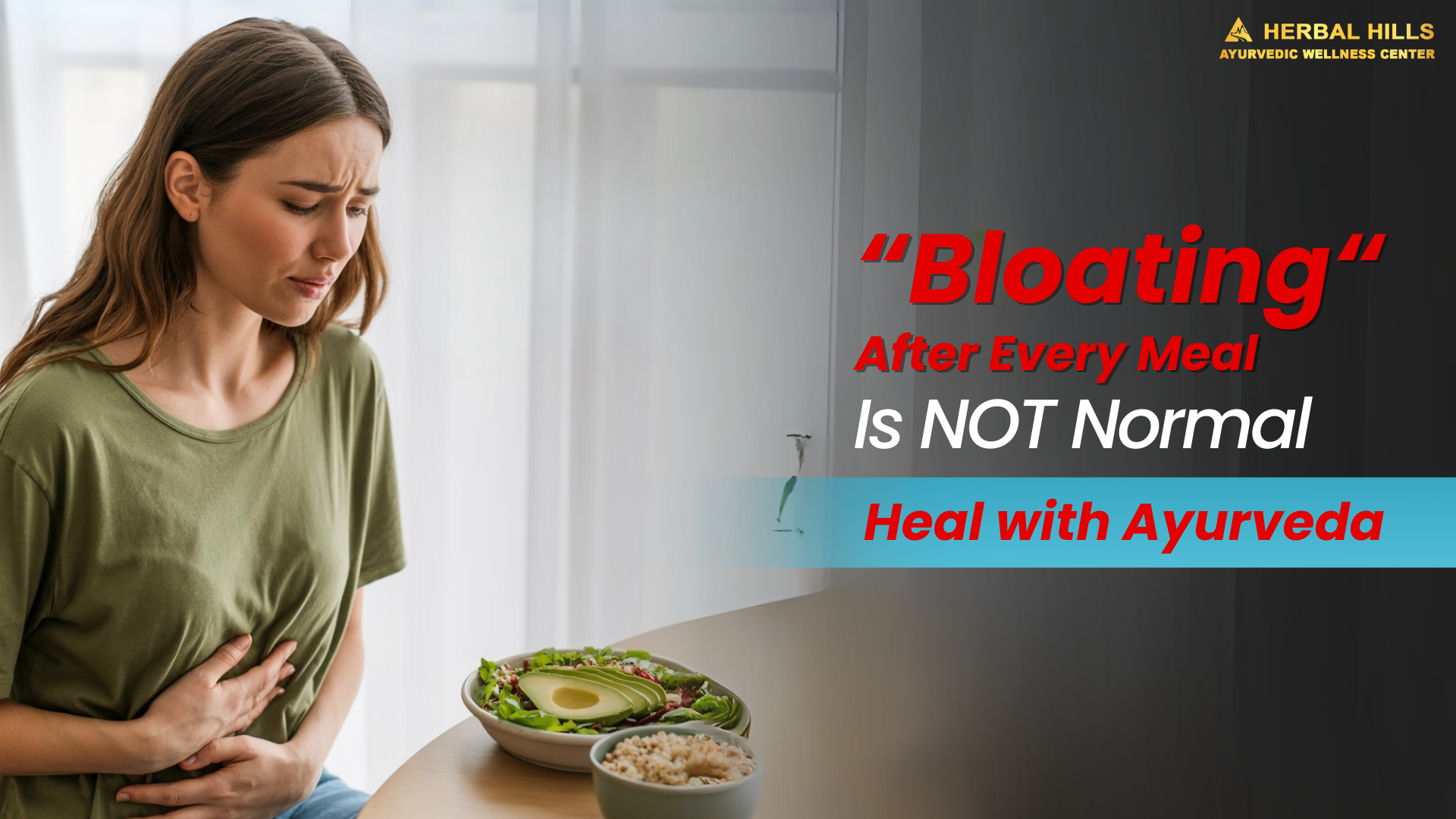
How to Reduce Bloating: Why Your Stomach Swells After Eating, 12 Ayurvedic Habits That Help, and When to See a Doctor
How to reduce bloating starts with how and when you eat: eat at regular times, chew slowly, keep dinner light and early, avoid gulping air and fizzy drinks, and notice which foods trigger gas. Ayurveda adds warm water, digestive spices such as cumin, ajwain and ginger, and a calm mealtime to support Agni, the digestive fire. Bloating that is new, severe or comes with weight loss, bleeding or pain needs a doctor first.
Feeling full versus feeling bloated
A good meal should leave you satisfied and light within an hour or two. Bloating feels different: the stomach feels tight, swollen or stretched, clothes feel tighter, and there may be gas, burping or rumbling. Many people live with stomach bloating every day and assume it is normal.
Occasional bloating after a large festive meal is common. Bloating after eating almost every meal is a sign that something in your routine, food or digestion needs attention.
What causes stomach bloating?
- Eating fast and swallowing air while talking or scrolling.
- Large or late meals that digestion cannot keep up with.
- Gas-forming foods such as beans, cabbage, onions and some fruits, especially in large amounts.
- Fizzy drinks and chewing gum.
- Constipation, which slows everything down.
- Stress, which affects how the gut moves.
- Food intolerances, such as to lactose.
- Medical conditions that need a doctor’s check.
How Ayurveda explains bloating after eating
Ayurveda places digestion, or Agni, at the centre of health. When Agni is weak or irregular, food is not digested well and leaves behind a heavy, sticky residue called Ama. This shows up as heaviness, a coated tongue, gas and bloating after eating.
Bloating with gas, rumbling and irregular bowels is usually linked with Vata. Bloating with burning and acidity points to Pitta. Heavy, slow digestion with sleepiness after meals points to Kapha. The way to reduce bloating depends on which pattern you have.
How to reduce bloating: start with how you eat
Before changing what you eat, change how you eat. Sit down for meals. Put the phone away. Chew each mouthful well and put your spoon down between bites. Stop when you feel about three-quarters full rather than completely full.
These simple changes reduce the air you swallow and give your stomach time to signal that it is satisfied. For many people, this alone is the first answer to how to reduce bloating.
Habit 1: Eat at regular times
Ayurveda treats digestion like a clock. Meals at roughly the same time every day help Agni work steadily. Skipping meals and then eating a large plate late in the day is one of the commonest triggers of bloating. Aim for breakfast, a main meal at midday and a lighter dinner.
Habit 2: Make lunch the main meal
Digestion is said to be strongest around midday, when Pitta is high. Make lunch your largest meal and keep breakfast and dinner lighter. Many people who eat a small lunch at their desk and a heavy dinner at home notice bloating improve within a week of switching this around.
Habit 3: Keep dinner light and early
Finish dinner by about 8 pm and at least two to three hours before bed. Choose warm, cooked, simple food such as khichdi, soup, dal with rice or cooked vegetables. Heavy, fried or very rich dinners sit in the stomach overnight and often cause bloating and a heavy morning.
Habit 4: Sip warm water
Warm water, sipped through the day, is one of Ayurveda’s simplest digestive habits. Avoid large amounts of ice-cold water with meals, which Ayurveda says dampens Agni. A few sips of warm water during a meal are enough; large glasses just before or after eating can make you feel fuller.
Habit 5: Use digestive spices
Indian kitchens already hold some of the best digestive aids. Cumin, ajwain (carom), fennel, ginger, hing (asafoetida) and coriander are traditionally added to dal, vegetables and buttermilk to make food easier to digest and reduce gas. Use them in cooking every day rather than only when you feel bloated.
Habit 6: Cut down on fizzy drinks and gum
Carbonated drinks add gas directly to your stomach. Chewing gum and sucking sweets make you swallow air. Sugar-free products often contain sweeteners that cause gas in some people. If you are working out how to reduce bloating, these are easy changes to test first.
Habit 7: Avoid incompatible food combinations
Ayurveda describes certain combinations, called Viruddha Ahara, as hard to digest together, such as milk with sour fruit, or fruit eaten straight after a heavy meal. Modern science does not test most of these rules, but many people find that eating fruit on its own, between meals, makes a real difference to bloating.
Habit 8: Go easy on raw and cold food in the evening
Large raw salads, cold smoothies and chilled desserts are harder for some people to digest, especially in the evening and for Vata types. Lightly cooked vegetables, warm soups and dal are gentler. You do not need to avoid raw food completely; just notice whether it causes stomach bloating for you.
Habit 9: Walk after meals
Ayurveda recommends a slow walk of about a hundred steps after eating, called Shatapavali. A gentle 10 to 15 minute walk helps the stomach empty and moves gas along. Avoid lying down straight after a meal, and avoid hard exercise on a full stomach.
Habit 10: Keep your bowels regular
Constipation is a common hidden cause of bloating. Drink enough water, eat cooked vegetables, fruit and whole grains, move daily and do not ignore the urge to go. If constipation is long-standing, our page on Ayurvedic care for constipation explains how a doctor plans it.
Habit 11: Manage stress at mealtimes
The gut and the nervous system are closely linked. Eating while stressed, rushed or angry often leads to bloating after eating. Take three slow breaths before you start, eat away from your work screen, and avoid difficult conversations at the table. Our blog on the effects of stress on the body explains this link.
Habit 12: Notice your trigger foods
Keep a simple food and symptom diary for two weeks: what you ate, when, and how your stomach felt afterwards. Common culprits include beans and chana, cabbage and cauliflower, onions, milk, wheat-heavy meals and fried snacks. Once you know your triggers, deciding how to reduce bloating becomes much easier: you can reduce the amount, cook them with digestive spices or swap them.
Home remedies for gas from the Indian kitchen
- Ajwain water: half a teaspoon of ajwain simmered in a cup of water, strained and sipped warm.
- Jeera water: cumin seeds boiled in water, sipped after meals.
- Fennel seeds: chewed after meals, a common Indian habit.
- Fresh ginger: a thin slice with a pinch of rock salt before a meal.
- Thin buttermilk with roasted cumin after lunch.
- A pinch of hing in dal and vegetables.
These home remedies for gas are gentle and suit most people. Stop any that cause discomfort.
CCF tea for daily digestion
Cumin, coriander and fennel tea, often called CCF tea, is a classic Ayurvedic drink for gas and bloating. Simmer half a teaspoon each of the three seeds in two cups of water for five minutes, strain and sip warm through the day. It is mild enough for daily use and is one of the easiest ways to reduce bloating at home.
How to reduce bloating for each body type
| Pattern | How bloating feels | What usually helps |
|---|---|---|
| Vata | Gas, rumbling, irregular bowels, worse with stress | Warm, cooked, slightly oily food; regular meals; ajwain and hing |
| Pitta | Bloating with burning, acidity or loose stools | Cooling foods; less spicy, sour and fried food; fennel and coriander |
| Kapha | Heavy, slow, sleepy after meals | Lighter meals; ginger; less sweet and heavy food; more movement |
Most people show a mix, which a doctor can help you read.
A simple one-day food plan for a bloated stomach
| Time | What to eat |
|---|---|
| On waking | A cup of warm water |
| Breakfast | Poha, upma or vegetable dalia |
| Mid-morning | Fruit on its own, or CCF tea |
| Lunch | Rice or roti, dal with jeera and hing, cooked vegetables, thin buttermilk |
| Evening | Warm herbal tea and a few roasted seeds |
| Dinner by 8 pm | Moong dal khichdi or vegetable soup |
Bloating and acidity together
Bloating often comes with acidity, burping and a burning feeling in the chest. In Ayurveda, this points to Pitta and weak digestion together. Avoid very spicy, sour and fried food, eat on time and do not lie down after meals. Our guide to acidity home remedies covers this in more detail.
Bloating in women
Many women notice more bloating in the days before their period, due to hormonal changes. Lighter meals, less salt, warm water and gentle movement can help. Bloating that is persistent, new after the age of 50, or comes with pelvic pain, feeling full quickly or changes in bowel habits should be checked by a doctor promptly.
Bloating at work and while travelling
Long hours at a desk, irregular meals, too much tea or coffee and snacking on packaged food all add to bloating. Carry a small box of fennel seeds or roasted jeera, stand up and walk for a few minutes every hour, and choose simple, home-style food when you eat out. On journeys, drink water steadily and avoid heavy, oily meals.
Common myths about stomach bloating
“Bloating is always caused by gas-forming foods.”
Eating habits, stress and constipation are often bigger factors.
“Skipping meals reduces bloating.”
Long gaps followed by large meals usually make it worse.
“More fibre always helps.”
A sudden jump in fibre can increase gas; add it slowly.
“Everyone bloats, so it is nothing.”
Daily bloating is worth looking into.
When to see a doctor about bloating
See a doctor if bloating is persistent or getting worse, or if it comes with unexplained weight loss, blood in the stool or black stools, vomiting, difficulty swallowing, severe or ongoing abdominal pain, a lump, fever, or a change in bowel habit that lasts more than a few weeks. These signs need proper medical assessment first. The NHS guidance on bloating lists similar warning signs.
How an Ayurvedic doctor approaches bloating
A doctor first asks about your meals, timings, bowel habits, sleep, stress and medicines, and checks your pulse and tongue. The plan usually begins with diet and routine. Where needed, the doctor may suggest digestive medicines, chosen for your body type, and therapies such as Takradhara for Pitta-type digestion or Basti for Vata-type gas, always after checking that you are fit for them.
Detox Pro Digestion for long-standing bloating
For people whose bloating, gas and heaviness have lasted months, Herbal Hills offers Detox Pro Digestion, a one-month programme planned after a doctor’s assessment. It combines therapies, Ayurvedic medicines from Herbal Hills and diet guidance, with follow-up visits to review progress.
How long does it take to reduce bloating?
When you start working on how to reduce bloating, simple changes such as eating slowly, a lighter dinner and fewer fizzy drinks often ease bloating within a few days. Habits such as regular meal times and better bowel regularity take two to four weeks to show their full effect. If you have followed the plan for a month without improvement, a doctor’s check is the next step.
How to reduce bloating: what to avoid
- Eating in front of a screen or while walking.
- Large meals after long gaps.
- Fizzy drinks, gum and sugar-free sweets.
- Lying down soon after eating.
- Late, heavy, fried dinners.
- Taking antacids or laxatives every day without advice.
How to reduce bloating with better sleep
Poor sleep and late nights upset digestion the next day. Ayurveda links late nights with aggravated Vata, which shows up as gas and irregular bowels. Sleeping by about 10.30 pm, keeping a fixed wake-up time and avoiding late snacks are underrated answers to how to reduce bloating. Our blog on how to improve sleep quality has a simple routine.
How to reduce bloating with gentle yoga
Gentle movement helps trapped gas move. Pawanmuktasana (knees to chest), Vajrasana for a few minutes after meals, a gentle seated twist and slow belly breathing are traditionally used for digestion. Keep it gentle, avoid strong poses on a full stomach, and stop if anything hurts. A daily walk matters just as much as any pose when you want to reduce bloating.
How to reduce bloating: questions to ask yourself
- Do I eat at roughly the same times each day?
- Do I sit down and chew, or eat in a rush?
- Is dinner my biggest meal?
- How much tea, coffee and fizzy drink do I have?
- Are my bowels regular?
- Does stress make it worse?
Your answers usually point to the first two or three changes worth making.
How to reduce bloating: the short version
To reduce bloating, eat at regular times, sit down and chew slowly, make lunch the main meal and dinner light and early, sip warm water, cook with cumin, ajwain, fennel, ginger and hing, cut fizzy drinks and gum, walk after meals and keep your bowels regular. Notice your trigger foods. If bloating persists or comes with warning signs, see a doctor.
How to reduce bloating: start today
Pick two changes for today: eat lunch away from your screen, and finish dinner by 8 pm. Add a cup of CCF tea in the afternoon. Next week, add a short walk after meals. Small, steady changes are the most reliable way to reduce bloating and keep it away.
Frequently asked questions
Sip warm water or ajwain or jeera water, take a slow 10 to 15 minute walk, loosen tight clothing and avoid more food or fizzy drinks for a while. If bloating is severe or comes with pain or vomiting, see a doctor.
Common reasons are eating fast, large or late meals, fizzy drinks, gas-forming foods, constipation, stress and food intolerances. In Ayurveda, it is linked with weak or irregular digestion, called Agni.
Ajwain water, jeera water, chewing fennel seeds after meals, a slice of fresh ginger before meals, thin buttermilk with roasted cumin, and a pinch of hing in cooking.
Occasional bloating is common, but daily bloating is a sign that eating habits, food or digestion need attention. Persistent bloating should be checked by a doctor.
Beans, chana, cabbage, cauliflower, onions, milk for some people, fizzy drinks, fried snacks and sugar-free sweets are common triggers. A food diary helps you find your own.
See a doctor if bloating is persistent or worsening, or comes with weight loss, blood in the stool, vomiting, difficulty swallowing, severe pain or a lasting change in bowel habit.
This article is for general education and does not replace medical advice. Ayurvedic therapies and medicines at Herbal Hills are planned by qualified doctors after a personal consultation.
Digestive care near you
If bloating has become part of your day, a doctor can help find the cause. Herbal Hills has five centres in Western Mumbai, in Juhu (Andheri West), Goregaon West, Kandivali West and two in Borivali West, open Tuesday to Sunday, 10 am to 7 pm. Find your nearest centre.
Eat well. Feel light.