

Blog
Your Hair Grows From a Calm Scalp

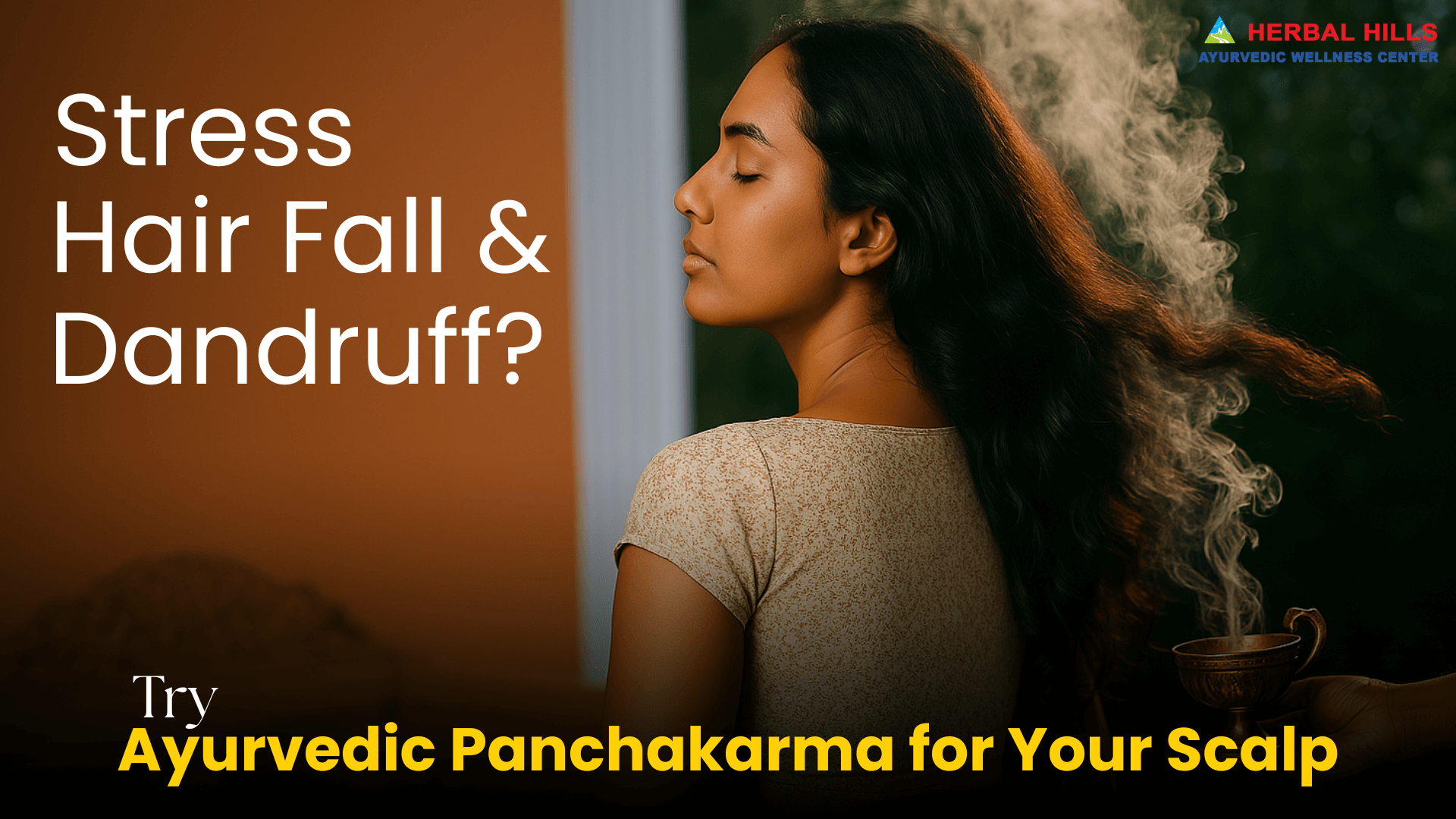
Hair Oiling Benefits: How to Oil Your Scalp the Ayurvedic Way, and What Keshya Adds
The main hair oiling benefits, in Ayurveda, are a nourished scalp, softer and stronger hair, less dryness and a calmer mind. Done right, with an oil suited to your scalp, massaged in for a few minutes, left on for an hour or overnight and washed out gently, hair oiling is one of the simplest Ayurvedic habits for healthy hair.
Why does Ayurveda care so much about the scalp?
In Ayurveda, hair is linked to the nourishment of bone tissue (asthi dhatu) and to the balance of the doshas. Excess heat (Pitta) is associated with early greying and thinning; excess dryness (Vata) with brittle hair and a flaky scalp; excess Kapha with an oily, heavy scalp and dandruff. The scalp is also home to important marma points, which is why head massage is valued for calming the mind as well as nourishing the hair.
Caring for the scalp and the body together is the Ayurvedic way, and regular oiling is at the heart of it.
The 8 hair oiling benefits, according to Ayurveda
1. Nourishes a dry scalp
Oil softens a dry, tight scalp and reduces flaking caused by dryness.
2. Softens and protects the hair
Oil coats the hair shaft, reducing friction and breakage when combing and styling.
3. Calms the mind
Ayurveda sees head massage (Shiro Abhyanga) as deeply calming for Vata. Many people sleep better on oiling nights.
4. Supports healthy-looking hair growth
Regular massage improves blood flow to the scalp; traditionally this is seen as supporting stronger roots. It does not stop genetic hair loss.
5. Cools a heated head
Cooling oils such as those with Brahmi, Amla or Bhringraj are traditionally used when Pitta is high, with symptoms like early greying or a hot scalp.
6. Adds shine
Hair that is oiled and washed gently looks smoother and shinier.
7. Reduces scalp tension
Massage loosens tight muscles across the scalp, neck and shoulders, which often hold stress.
8. A weekly ritual of care
Oiling is a reason to slow down for half an hour. That pause is itself one of the quiet hair oiling benefits Ayurveda values.
Which oil suits your scalp?
| Scalp type | Signs | Traditionally suitable |
|---|---|---|
| Vata (dry) | Dry, flaky scalp, frizzy and brittle hair | Warm sesame-based oils, richer oils |
| Pitta (hot) | Early greying, thinning, sensitive or hot scalp | Cooling oils with Amla, Brahmi, Bhringraj; coconut base |
| Kapha (oily) | Oily scalp, heavy hair, sticky dandruff | Light oils, used less often, washed out sooner |
Ayurvedic hair care is personal. A doctor can suggest an oil for your scalp type and season, rather than a single oil for the whole family.
How to apply hair oil, step by step
- Warm the oil slightly. Place the bottle in warm water for a minute; it should feel comfortably warm, never hot.
- Part the hair into sections so the oil reaches the scalp, not just the lengths.
- Apply with your fingertips along each parting, using a small amount.
- Massage for 5 to 10 minutes in slow, circular movements, covering the crown, sides and back of the head, and the nape.
- Apply a little to the ends if they are dry.
- Leave it on for at least an hour, or overnight with an old pillow cover.
- Wash with a mild cleanser and lukewarm water; you may need two rounds.
How often should you oil your hair?
For most people, scalp oiling once or twice a week is enough. Dry scalps may enjoy it twice; oily scalps may prefer once, with a lighter oil and a shorter time before washing. Daily heavy oiling can build up on the scalp, especially in Mumbai’s humidity, and attract dust.
Common hair oiling mistakes
- Using far too much oil, then washing with harsh shampoo to remove it.
- Rubbing the scalp hard with the nails instead of the fingertips.
- Tying hair tightly straight after oiling, which can pull on the roots.
- Oiling during a cold, fever or a scalp infection.
- Leaving oil on for days without washing.
- Expecting oil alone to fix hair fall caused by stress, illness or hormones.
Scalp massage benefits beyond the hair
Scalp massage benefits reach beyond the hair itself. Many people use head massage to unwind after work, ease tension headaches and settle the mind before sleep. In Ayurveda, Shiro Abhyanga is part of the daily routine for this reason. Even five minutes of gentle massage, with or without oil, can help you switch off.
What else affects hair and scalp health?
Stress, poor sleep, irregular meals, crash diets, very hot showers and harsh styling all show up on the scalp. The NHS notes that hair loss can also follow stress, illness, weight loss or hormonal changes, and is often temporary. Helpful habits:
- Wash with lukewarm, not hot, water.
- Eat regular, protein-rich meals with seasonal vegetables and fruit.
- Sleep 7 to 8 hours; late nights aggravate Pitta.
- Take short daily breaks for slow breathing or a walk.
- Let hair dry naturally when you can and go easy on heat styling.
What does the Keshya Signature therapy include?
Keshya is the Herbal Hills Signature therapy for hair and scalp. In one 2-hour session it brings together four classical therapies:
- Shirodhara: a steady stream of warm medicated oil over the forehead to calm the mind.
- Shiro Abhyanga: a medicated head and scalp massage.
- Shiro Lepam: a cooling herbal paste applied to the scalp.
- Dhoopan: gentle herbal fumigation to dry and freshen the hair.
The treatment takes about 90 minutes, followed by 15 minutes of steam and shower and 15 minutes of rest. Keshya is priced at ₹6,000 per session. Many people notice a healthier-feeling scalp after two or three sessions; the doctor suggests a frequency.
Who is Keshya for?
Keshya suits people with stress-related hair fall, a dry or itchy scalp, early thinning, or a busy, sleep-short lifestyle that is showing on their hair. It is also a deeply relaxing therapy, so many clients choose it simply to unwind. If hair loss is sudden, patchy or linked to a medical condition, the doctor will suggest the right tests first. For hair fall in particular, our blog Hair fall at 30? explains the Ayurvedic approach in more detail.
When should hair fall be checked by a doctor?
See a doctor if hair falls out suddenly or in patches, if you notice bald spots, if hair loss comes with fatigue, weight change or irregular periods, or if your scalp is painful, red or scaly. Thyroid problems, low iron, hormonal changes and some scalp conditions can all cause hair loss and need proper diagnosis. Hair oiling benefits the scalp, but it cannot treat these causes on its own.
Is hair oiling good for every hair type?
Most hair types enjoy hair oiling benefits, but the oil, amount and timing should change. Fine, oily hair does best with a few drops of a light oil, left on for an hour. Thick, curly or very dry hair can take more oil and longer, even overnight. Colour-treated hair usually benefits from oiling, since it tends to be drier. If you have a sensitive or acne-prone forehead, keep oil away from the hairline or wash it off sooner.
Hair oiling in Mumbai’s humidity
Mumbai’s humid air changes how hair oiling works. In the monsoon, heavy oil can feel sticky and attract dust and fungal dandruff, so use a lighter oil, a shorter time and a thorough wash. In the hot months, cooling oils suit most scalps. In the drier winter months, you can oil a little more often. The hair oiling benefits stay the same year-round; only the method changes with the season.
Coconut, sesame or herbal oil: which is best?
Coconut oil is cooling and widely used in India, which suits Pitta-type scalps and hot weather. Sesame oil is warming and traditionally preferred for Vata-type dryness and cooler months. Herbal oils, such as those with Bhringraj, Amla, Brahmi or Neelibhringadi, combine a base oil with herbs for particular needs. There is no single best oil for everyone; the right one depends on your scalp, season and concern, which is why we suggest asking the doctor.
Scalp oiling and dandruff
Dandruff has different causes. Dry, flaky dandruff from a Vata-type scalp often improves with regular oiling and gentle washing. Sticky, oily dandruff from a Kapha-type scalp can get worse with heavy oil, and may need lighter oils, shorter contact time, herbal scalp packs and sometimes medicated care. If dandruff is severe, itchy or spreading to the face, see a doctor before trying more oil.
A weekly Ayurvedic hair care routine
| Day | What to do |
|---|---|
| Day 1 | Scalp oiling and 10-minute massage in the evening; wash next morning |
| Day 2–3 | Gentle detangling with a wide-toothed comb; no heat styling |
| Day 4 | Second oiling for dry scalps, or a herbal hair pack for oily scalps |
| Day 5–7 | Mild wash as needed; protect hair from sun and dust |
| Every day | Warm meals, water, 7–8 hours of sleep, a few minutes of slow breathing |
| Monthly | A scalp therapy such as Keshya, if your doctor suggests it |
This simple rhythm gives you the full hair oiling benefits without overdoing it.
Hair oiling benefits for children and older adults
Gentle scalp oiling is a long-standing family tradition in India, and it can be calming for children before bed. Use a mild oil, a small amount and a very light touch, and wash it out the next day. For older adults, head massage can help with sleep and relaxation; use warm oil and keep the head warm afterwards, especially in cool weather. Avoid oiling anyone who has a cold, fever or scalp infection.
Hair oiling benefits: what science says and what it doesn’t
Studies suggest that some oils, coconut oil in particular, can reduce protein loss from hair and make it less prone to breakage, and that regular scalp massage may improve hair thickness for some people. What hair oiling does not do is reverse genetic hair loss or treat medical causes of hair fall. Honest expectations help: think of oiling as daily care that keeps hair and scalp in good condition, alongside sleep, food and stress management.
How to get the most hair oiling benefits from Keshya
Keshya works best alongside good home care. Between sessions, keep up your weekly scalp oiling with the oil the doctor suggests, sleep on time, eat regular protein-rich meals and manage stress. Avoid harsh chemical treatments and very hot styling for a few days after a session. Many people book Keshya once a month as a deeper version of their weekly ritual, and a short series when hair fall or scalp dryness is more noticeable.
Hair oiling benefits: the short version
Choose an oil that suits your scalp. Warm it slightly, massage it in with your fingertips for five to ten minutes, leave it for an hour or overnight, and wash gently. Do this once or twice a week, adjust with the seasons, and skip it when you are unwell. Pair it with sleep, food and stress care, and see a doctor for sudden or patchy hair loss. Those are the real hair oiling benefits, and the Ayurvedic way to get them.
Scalp oiling for men
Men often skip scalp oiling, but the same hair oiling benefits apply. Shorter hair needs much less oil and is quick to wash. For men with an oily scalp or early thinning, a light herbal oil once a week, a short massage and a thorough wash are usually enough. Stress, late nights and long screen hours affect men’s hair as much as anyone’s.
Signs your scalp needs more than oiling
- Red, painful or pus-filled spots on the scalp.
- Thick, yellow, greasy scales that keep coming back.
- Round bald patches or a widening parting.
- Severe itching that disturbs sleep.
- Hair loss along with tiredness, weight change or irregular periods.
These need a doctor’s assessment, and sometimes a dermatologist. The Ayurvedic doctor will look at digestion, stress, sleep and hormones, and may suggest tests before planning scalp therapies such as Keshya.
Do hair oiling benefits depend on the oil or the massage?
Both. The oil nourishes and protects the scalp and hair, while the massage improves circulation, loosens scalp tension and calms the mind. A good oil applied without massage gives fewer hair oiling benefits, and a massage without oil can still be relaxing. Together, they work best. Spend at least five minutes massaging, and use only as much oil as your scalp can absorb, so washing it out is easy and gentle.
Hair oiling and sleep
Many people find that oiling nights are their best-sleep nights. A warm scalp massage before bed calms Vata, eases tension in the head and neck and helps the mind switch off. Keep the lights low, put your phone away, and let the oil work while you rest; wash it out in the morning.
Frequently asked questions
Hair oiling nourishes a dry scalp, softens and protects the hair, adds shine, reduces scalp tension and calms the mind. Regular scalp massage also improves circulation to the scalp. It works best with an oil suited to your scalp type, used once or twice a week.
Warm the oil slightly, part the hair, apply to the scalp with your fingertips and massage in slow circles for 5 to 10 minutes. Leave it for an hour or overnight, then wash with a mild cleanser and lukewarm water.
Once or twice a week suits most people. Dry scalps can oil twice a week; oily scalps once, with a lighter oil. Avoid oiling during a cold, fever or scalp infection.
Hair oiling supports a healthy scalp and can reduce breakage, but it cannot stop hair fall caused by stress, illness, hormones or genetics on its own. Sudden or patchy hair loss should be checked by a doctor.
Keshya is a 2-hour Signature therapy with Shirodhara, Shiro Abhyanga, Shiro Lepam and Dhoopan, followed by steam, a shower and rest. It costs ₹6,000 per session, and a doctor consultation comes first.
Leaving oil on overnight is fine for most people with a normal or dry scalp, as long as you wash it out the next morning. If your scalp is oily or prone to dandruff, an hour or two is usually enough.
This article is for general education and does not replace medical advice. Ayurvedic therapies and medicines at Herbal Hills are planned by qualified doctors after a personal consultation.
Scalp care between meetings
A two-hour Keshya session is easier to keep up when the centre is nearby. Herbal Hills has five centres in Western Mumbai: Juhu (Andheri West), Goregaon West, Kandivali West and two in Borivali West, open Tuesday to Sunday. Pick the closest one.
Give your scalp a doctor’s attention.