

Blog
When Everything Aches

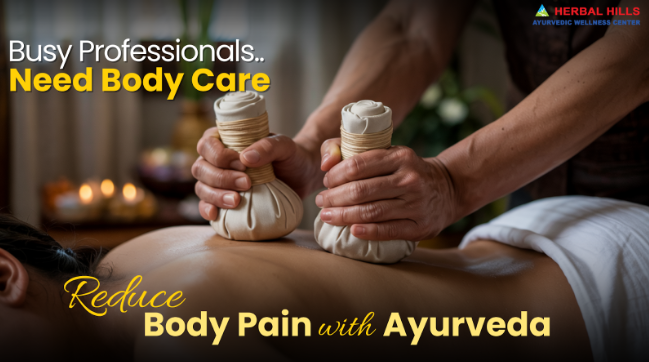
Full Body Pain: 10 Common Causes, Simple Self-Care, Red Flags, and How Vishrama Signature Therapy Can Help
Full body pain is most often caused by tired, tight muscles from long sitting, poor sleep, stress, a viral illness, low activity or overuse, and it usually settles with rest, gentle movement, warmth, good sleep and regular meals. Pain that lasts more than two weeks, keeps coming back or comes with fever, weight loss, swelling or weakness needs a doctor to find the cause. Ayurveda adds a personal routine and doctor-planned therapies, such as the Vishrama Signature therapy, for body pain relief.
What does full body pain feel like?
People describe full body pain in many ways: a deep ache in the muscles, stiffness on waking, heavy legs, a sore neck and shoulders, or a tired, bruised feeling all over. Some feel it most in the morning, others by evening after a long day at a desk or on their feet.
Noticing the pattern helps. When it started, where it is worst, what eases it and what makes it worse are the first questions a doctor will ask.
Why full body pain is so common today
Modern routines ask the body to sit still for long hours, often hunched over a laptop or phone, then rush through traffic and household work with little time to stretch or rest. Add short sleep and constant stress, and muscles stay tight all day.
This is why full body pain now shows up in people in their 20s and 30s, not only in older adults. What starts as occasional stiffness can become a daily ache if the habits behind it stay the same.
10 common causes of full body pain
- Long sitting and poor posture at a desk or on a phone.
- Overuse after a new workout, sport or heavy chores.
- Poor or short sleep.
- Ongoing stress, which keeps muscles tense.
- Viral infections such as flu, dengue or a cold.
- Dehydration and skipped meals.
- Low vitamin D or other nutrient gaps.
- Thyroid problems, especially an underactive thyroid.
- Side effects of some medicines.
- Long-term pain conditions such as fibromyalgia or inflammatory arthritis.
Many people have more than one of these at once.
Muscle strain and overuse
The most common reason for aching all over is simple muscle strain. A long day of lifting, cleaning, travelling or a sudden return to the gym can leave many muscle groups sore at the same time. This kind of soreness usually peaks a day or two later and fades within a week.
Gentle movement, warmth and rest usually help. Pain that does not improve, or that started with a fall or injury, should be checked.
Stress, sleep and pain
Stress and poor sleep feed each other and both make pain feel worse. When you are anxious, the shoulders, jaw and back tighten without you noticing. When you sleep badly, the body has less time to repair and the brain becomes more sensitive to pain signals.
Read more on the effects of stress on the body. Easing stress and protecting sleep are often the quiet first steps in body pain relief.
Fever and body pain
Aches all over that come with fever, chills, sore throat or cough are usually caused by an infection such as flu or another virus. In India, dengue, malaria and chikungunya can also start this way, especially in the monsoon.
Rest, fluids and a doctor visit are the right steps here. Do not try heavy massage or exercise during a fever, and get tested if your doctor advises it, because some infections need prompt care.
When full body pain lasts for weeks
Pain that lasts more than a few weeks is no longer simple soreness. It may point to low vitamin D, an underactive thyroid, anaemia, a side effect of a medicine, or a long-term condition such as fibromyalgia or inflammatory arthritis.
The NHS describes fibromyalgia as widespread pain often linked with tiredness, poor sleep and trouble concentrating. Long-lasting full body pain deserves a proper check-up and simple blood tests, not just more painkillers.
How Ayurveda explains full body pain
Ayurveda links most aches, stiffness and pain with an increase in Vata, the dosha of movement, dryness and cold. Irregular meals, late nights, travel, worry and long sitting all raise Vata. When digestion, or Agni, is weak, undigested residue called Ama may add heaviness and stiffness.
So the Ayurvedic approach to full body pain focuses on warmth, oiling, regular routine, steady digestion and rest, with therapies chosen by a doctor.
Vata-type and Ama-type aches
| Pattern | What it often feels like |
|---|---|
| Vata-type | Dry, moving, cracking or shooting pain; worse with cold, travel and late nights; better with warmth and oil |
| Ama-type | Heavy, dull, stiff aches; poor appetite or coated tongue; worse after heavy food |
The care differs for each, which is why an Ayurvedic doctor checks digestion and pulse before suggesting oil therapies.
Simple self-care for body pain relief
- Keep moving gently; long bed rest often makes stiffness worse.
- Use warmth: a warm shower or a hot water bag on tight areas.
- Drink enough water through the day.
- Eat warm, freshly cooked meals at regular times.
- Get up and stretch every 30 to 45 minutes when sitting.
- Aim for seven to eight hours of sleep.
These simple steps settle most short-lived full body pain within days.
Warm oil self-massage at home
A short self-massage with warm oil before a bath is a classic Ayurvedic habit for Vata. Warm a little sesame oil or an oil your doctor suggests, and massage the arms, legs, back of the neck and soles with long strokes on the limbs and circles on the joints. Rest for 10 to 15 minutes, then have a warm bath.
Skip it during fever, on broken skin, or if you feel heavy and congested.
Stretches that help full body pain
- Neck rolls and gentle side bends, five each way.
- Shoulder rolls forward and back.
- Cat-cow on hands and knees to move the spine.
- Hamstring stretch with a towel around the foot.
- Child pose to rest the lower back.
Move slowly and stop if pain sharpens. Ten minutes of stretching twice a day can make a real difference to full body pain from sitting.
Fix your desk set-up
Your screen should be at eye level, your feet flat on the floor and your elbows close to the body. Use a chair that supports the lower back, or roll a small towel behind it. Laptops on the lap or bed pull the neck forward for hours.
Set a reminder to stand up, walk to fetch water or take calls standing. Small changes to posture cut the daily load on the neck, shoulders and back.
Food for body pain relief
Ayurveda favours warm, easily digested, freshly cooked meals for Vata-type aches: dal, khichdi, vegetable soups, cooked vegetables, a little ghee, and spices such as ginger, cumin and turmeric in cooking. Limit cold drinks, dry snacks, very late dinners and heavy, fried food.
Include protein at each meal and some sunlight for vitamin D. Food will not fix every cause of pain, but it supports recovery and digestion.
Sleep habits that ease aches
- Go to bed and wake up at the same times each day.
- Keep screens away for the last 30 to 60 minutes.
- Have a light, early dinner.
- A warm foot massage with oil before bed can help you settle.
- Use a pillow that keeps your neck level with your spine.
Better sleep is one of the most reliable forms of body pain relief.
Common myths about full body pain
Rest in bed is best.
Short rest helps, but long bed rest usually increases stiffness.
Pain at a young age is nothing.
Daily pain at any age is a signal to change habits and get checked if it lasts.
A strong massage fixes everything.
Very deep pressure can worsen inflamed or injured areas.
Painkillers are a long-term plan.
They may ease pain for a while but do not address the cause, and regular use needs a doctor.
When to see a doctor
See a doctor promptly if full body pain comes with:
- High or ongoing fever, rash or bleeding.
- Unexplained weight loss or night sweats.
- Swollen, red or hot joints.
- Muscle weakness, numbness or trouble walking.
- Dark urine or severe pain after heavy exercise.
- Chest pain or breathlessness.
- Pain lasting more than two weeks.
Modern tests and care come first in these cases; Ayurveda can support recovery afterwards.
Painkillers: use with care
Over-the-counter painkillers can help for a few days, but taking them often without advice can upset the stomach, raise blood pressure or affect the kidneys. They also hide the pattern of pain that helps a doctor find the cause.
If you find yourself needing painkillers most days, it is time for a proper assessment rather than a stronger tablet.
What is Vishrama Signature therapy?
Vishrama is a 2-hour Herbal Hills Signature therapy for body pain and muscle tension, designed by MD Panchakarma doctors. It combines classical Panchakarma therapies using warm medicated oils and herbal powders prepared in-house, chosen after a personal Nadi Parikshan, or pulse assessment.
It is a therapeutic reset for tired, stiff bodies, not a long-term programme or a course of medicines.
Inside a Vishrama session
- Sarvanga Abhyanga: a full body oil massage with warm Ayurvedic oil and long, rhythmic strokes. Learn more about Abhyanga.
- Sarvanga Podikizhi: warm cloth pouches of dry herbal powder massaged over the body. See Podikizhi.
- Sthanik Pichu: a thick oil-soaked cotton pad placed on one area, such as the neck, lower back or knee.
The doctor decides the oils and focus areas for you.
How Vishrama may help full body pain
Warm oil and rhythmic strokes may help loosen tight muscles, improve local circulation and calm the nervous system. Warm herbal pouches may ease stiffness and support mobility. A localised oil pack may soothe one painful area that is driving much of the discomfort.
Many people also find the session deeply relaxing and sleep better afterwards. Results vary, and Vishrama works best alongside the daily habits above.
Who may benefit from Vishrama?
- Office workers with posture-related stiffness.
- Gym-goers and athletes with tight or overused muscles.
- Homemakers with backache from daily chores.
- Seniors with joint stiffness or knee discomfort.
- Anyone with full body pain linked to stress and tiredness.
A doctor confirms whether it suits you after a consultation.
Who should wait or avoid it
Vishrama is not suitable during fever, an acute infection, a fresh injury, open wounds or skin infections, or uncontrolled blood pressure. Pregnant women, people with heart conditions and anyone on blood thinners should speak to the doctor first.
If your full body pain has red flags, get those checked first. The doctor may suggest waiting, adjusting the therapy, or another option.
Vishrama and other options for body pain
Vishrama is one choice among several. For pain focused on one area, an individual therapy such as Pichu may be enough. For long-standing pain, the doctor may suggest a longer, structured plan.
Herbal Hills also has a dedicated page on Ayurvedic treatment for body pain that explains these options in more detail.
What to expect on the day
Wear comfortable clothes and eat a light meal one to two hours before. The doctor checks your pulse, history and pain areas, then the therapist explains each step. Therapies take place in a private room with an attached shower.
Afterwards, rest a little, drink warm water, avoid cold drinks and a heavy meal, and keep the evening calm. Some people feel light and loose; others feel pleasantly sleepy.
How to keep full body pain from returning
- Move every hour when sitting.
- Keep a regular sleep and meal routine.
- Do 10 minutes of stretching daily.
- Use warm oil massage once or twice a week.
- Build strength slowly with walking, yoga or light weights.
- Manage stress with breathing or quiet time.
Steady habits matter more than any single therapy.
Full body pain in older adults
In older adults, full body pain is often linked with stiff joints, weaker muscles, poor sleep and several medicines at once. Falls and fractures can also cause pain that is easy to miss.
Gentle daily walking, warm oiling, enough protein and regular check-ups help. Any new pain after a fall, or pain with confusion or weakness, needs a doctor the same day.
Full body pain in women
Women may notice more aches around periods, after pregnancy, during the years around menopause or with thyroid problems and low iron. Busy days that combine office work and household chores add strain.
Tracking pain against the monthly cycle and sleep can show patterns. A doctor can check iron, vitamin D and thyroid levels if the aches persist.
Herbal Hills and body pain
At Herbal Hills, every plan begins with a free doctor consultation with Nadi Parikshan. The doctor looks at your pain pattern, sleep, digestion, stress, work and reports, then suggests simple home steps, an individual therapy, the Vishrama Signature therapy or a longer plan where needed. Oils come from the range of 40+ Herbal Hills oils, and any medicines are given only as prescribed, through the in-house medicine shop.
Full body pain: the short version
Full body pain usually comes from muscle strain, long sitting, stress, poor sleep or a viral illness, and often eases with gentle movement, warmth, rest, fluids and regular meals. Pain that lasts more than two weeks or comes with fever, swelling, weight loss or weakness needs a doctor. Ayurveda links aches with Vata and offers warm oil routines and doctor-planned therapies such as Vishrama for body pain relief.
Frequently asked questions
Common causes are muscle strain, long sitting and poor posture, stress, poor sleep, viral infections, dehydration, low vitamin D, thyroid problems, some medicines and long-term pain conditions. A doctor can help find the cause if it lasts.
Rest briefly, then move gently, use a warm shower or hot water bag, drink enough water, eat warm meals and sleep well. A warm oil self-massage before a bath may help Vata-type aches.
See a doctor if it comes with high or ongoing fever, rash, swollen joints, weakness, numbness, weight loss, dark urine, chest pain or breathlessness, or if it lasts more than two weeks.
Vishrama is a 2-hour Herbal Hills Signature therapy for body pain and muscle tension. It combines full body oil massage, herbal powder pouch therapy and a localised oil pack, planned by a doctor after Nadi Parikshan.
Ayurveda links most aches with increased Vata and may help with warm oil routines, regular habits, steady digestion and doctor-planned therapies. It works alongside modern tests and care when needed.
No. Massage is avoided during fever, infection, fresh injury, skin problems or uncontrolled blood pressure, and needs a doctor’s advice in pregnancy or heart conditions.
This article is for general education and does not replace medical advice. Ayurvedic therapies and medicines at Herbal Hills are planned by qualified doctors after a personal consultation.
Find relief near you
A short talk with a doctor can show what is behind your aches. Herbal Hills has five centres in Western Mumbai, in Juhu (Andheri West), Goregaon West, Kandivali West and two in Borivali West, open Tuesday to Sunday, 10 am to 7 pm. Find your nearest centre.
Less ache. More ease.