

Blog
Your Gut Has a Voice

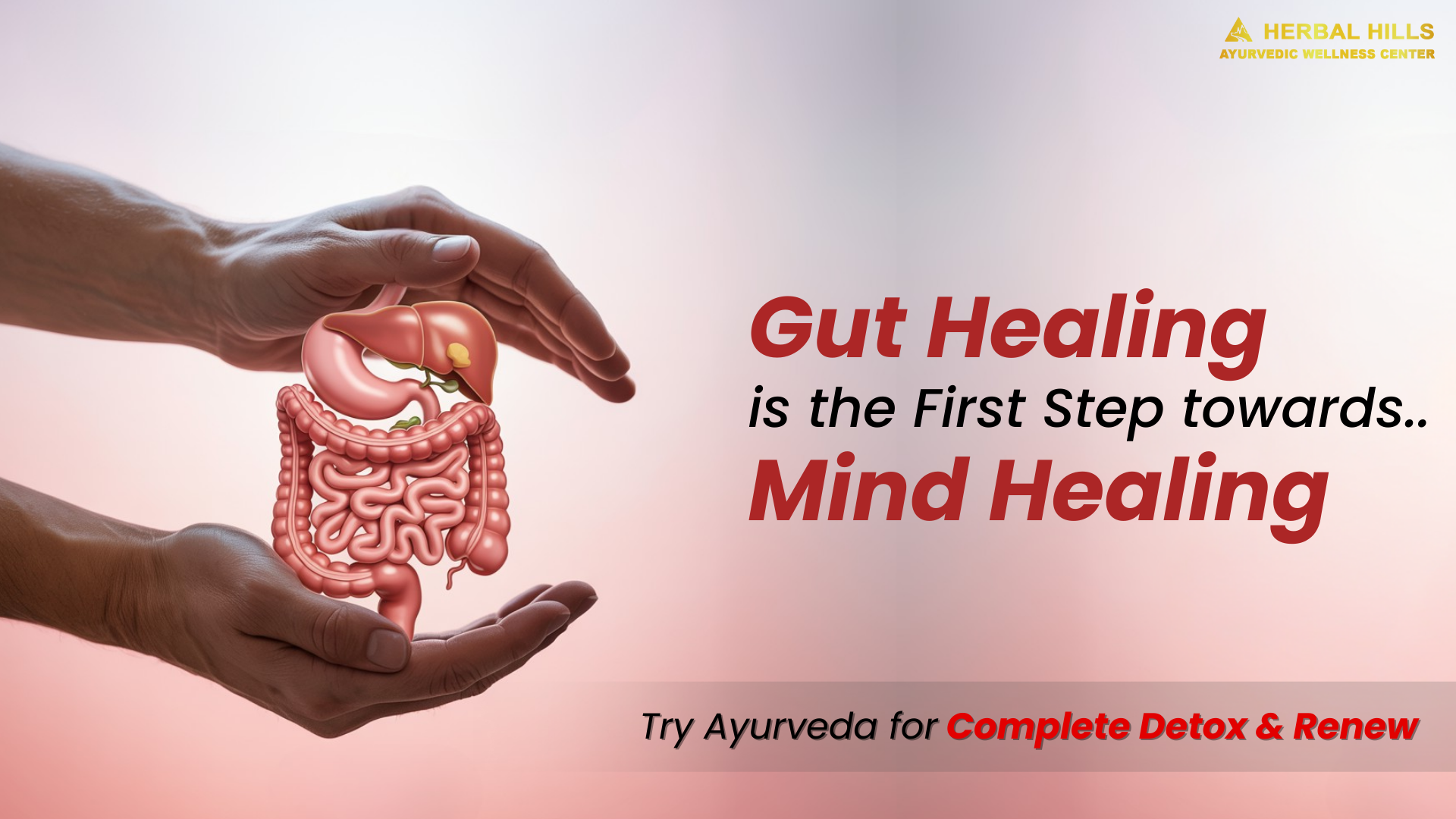
Gut Brain Axis: How Digestion Talks to Your Mood, What Science Says, and 12 Ayurvedic Habits That Help
The gut brain axis is the two-way link between your digestive system and your brain, carried by nerves such as the vagus nerve, by hormones and immune signals, and by the trillions of microbes living in your gut. It explains why stress can upset your stomach, and why a disturbed gut can leave you feeling low, foggy or restless. Ayurveda described this link long ago through Agni, digestion, and Manas, the mind.
The short version
- The gut brain axis is a real, well-studied communication network between gut and brain.
- It runs both ways: the mind affects digestion and digestion affects the mind.
- Gut microbes, the vagus nerve, hormones and inflammation all play a part.
- Regular meals, fibre, sleep, movement and calm eating support it.
- Ayurveda links a steady mind with strong Agni and a settled Vata.
- Persistent low mood needs proper care from a doctor or mental health professional.
What is the gut brain axis?
The gut brain axis is the name scientists use for the constant conversation between your digestive tract and your central nervous system.
This is why you feel butterflies before a big meeting, lose your appetite when worried, or feel heavy and dull after a poor meal. The gut brain connection is not a metaphor. It is plumbing, wiring and chemistry working together.
Why the gut is called the second brain
The wall of your gut holds its own network of nerve cells, called the enteric nervous system. It contains well over a hundred million neurons, more than the spinal cord. It can run digestion largely on its own, so it is often called the second brain.
It does not think or feel the way your brain does, but it reports back to the brain all the time.
The vagus nerve: the main highway
The vagus nerve runs from the brainstem down through the chest to the abdomen. Most of its fibres carry messages from the gut up to the brain, not the other way round. It tells the brain about fullness, stretch, irritation and the chemical state of the gut.
When you are calm, the vagus nerve supports the rest and digest mode, which helps digestion. Slow breathing, a relaxed meal and good sleep all support healthy vagal tone.
Gut microbes and mood
Your gut is home to trillions of bacteria and other microbes, together called the gut microbiome. They help digest fibre and feed the gut lining.
Research suggests these microbes also talk to the brain, through the vagus nerve, through immune signals and through substances they produce. Studies in this area are growing fast, but much of the strongest evidence still comes from animal work, so human findings should be read with care.
The serotonin story, explained carefully
Most of the serotonin in the body is made in the gut, where it mainly helps control gut movement.
However, gut serotonin does not simply travel to the brain, because it does not cross into the brain directly. The link between the gut brain axis and mood is more indirect, working through nerves, immune signals and microbes. So a happy gut supports a steady mind, but it is not a simple switch.
Stress and digestion: the other direction
The gut brain axis runs both ways. Stress, worry and poor sleep change how fast food moves, how much acid is made and how sensitive the gut feels.
This is also why conditions such as irritable bowel syndrome often flare with stress. Caring for the mind is part of caring for the gut, and the reverse is also true.
Signs your gut and mood may be linked
- Low mood or irritability that rises and falls with digestive upsets.
- Brain fog or heaviness after meals.
- Bloating, gas or irregular bowels during anxious periods.
- Poor appetite or comfort eating when stressed.
- Unrefreshing sleep alongside a disturbed stomach.
- Feeling low without a clear reason, along with sluggish digestion.
These signs suggest the gut brain connection is worth attention. They are not a diagnosis, and they do not rule out other causes.
How Ayurveda sees the gut brain axis
Ayurveda did not use the term gut brain axis, but it described the same idea. It teaches that Agni, the digestive fire, is central to health. When Agni is weak, food is not digested well and leaves behind Ama, a sticky, undigested residue that is said to dull both body and mind.
The mind, or Manas, is also influenced by the doshas. Vata disturbance can bring anxiety and restlessness, Pitta can bring irritability, and Kapha can bring heaviness and low motivation.
Vata, the bridge between gut and mind
In Ayurveda, Vata governs movement, including the movement of food through the gut and the movement of thoughts in the mind. Its main seat is the colon.
When Vata is disturbed, by irregular meals, late nights, travel, dry and cold food or constant rushing, people often notice both gas and constipation and a racing, worried mind. Settling Vata is one of the clearest Ayurvedic ways to support the gut brain axis.
What weakens the gut brain axis
- Highly processed food and frequent sugary snacks.
- Very late or irregular meals.
- Low fibre and too few vegetables, fruits and whole grains.
- Ongoing stress and short sleep.
- Alcohol and smoking.
- Eating in a hurry, in front of screens.
- Long sitting with little movement.
Antibiotics can also change gut bacteria for a while. Take them only when prescribed, and never stop a course on your own.
12 Ayurvedic habits for the gut brain axis
The gut brain axis responds best to steady, daily care rather than quick fixes. Start with two or three habits below, keep them for three to four weeks, then add more. If you have a medical condition, check with a doctor before big diet changes.
Habit 1: Eat at regular times
Ayurveda places great value on eating at the same times each day. Regular meals train Agni and steady Vata, and they support the natural daily rhythm of the gut.
Make lunch your main meal, when digestion is said to be strongest, and keep dinner lighter and earlier, ideally two to three hours before bed. Skipping meals and then eating heavily late at night is one of the most common habits that upsets the gut brain connection.
Habit 2: Eat warm, freshly cooked food
Warm, freshly cooked meals are easier to digest than cold, stale or heavily processed food.
Gentle spices such as cumin, ginger, coriander and fennel are used in Ayurveda to support digestion.
Habit 3: Add fibre and colour
Gut microbes feed on fibre. Vegetables, fruits, whole grains, dals and pulses, nuts and seeds all give them the fuel they need to produce helpful substances for the gut lining.
Aim for a range of colours on your plate across the week. Increase fibre slowly and drink enough water, because a sudden jump can cause gas and bloating at first.
Habit 4: Include traditional fermented foods
Fresh home-made curd and buttermilk are part of Indian food culture for good reason. Ayurveda especially values takra, thin spiced buttermilk, as light and good for digestion.
Many people tolerate buttermilk with lunch better than thick curd at night. Information on probiotics from the NCCIH shows the research is promising but still developing, so treat fermented foods as part of a good diet, not a fix on their own.
Habit 5: Eat calmly and chew well
Digestion starts in the mouth and in the mind. Eating while rushing, arguing or scrolling keeps the body in a stressed state, which slows digestion.
Sit down, take a few slow breaths, and chew each bite well. Ayurveda advises eating with attention and gratitude, and stopping when you feel about three-quarters full. This simple habit supports the gut brain axis at every meal.
Habit 6: Protect your sleep
Sleep and the gut are closely linked. Short or broken sleep can raise stress hormones, increase cravings and upset digestion the next day, and a heavy late dinner can disturb sleep in turn.
Aim for seven to eight hours, with a regular bedtime. Keep screens away for the last half hour, and keep the room dark and cool. If sleep is a long-standing problem, a doctor can help find the cause.
Habit 7: Move every day
Regular movement helps food move through the gut, eases constipation and is one of the best-studied ways to lift mood. A brisk walk after meals is a simple start.
Yoga adds gentle twists and forward bends that many people find soothing for digestion. Aim for at least 30 minutes of activity on most days, and break up long sitting with short walks.
Habit 8: Breathe slowly
Slow breathing is one of the quickest ways to calm the nervous system and support the vagus nerve. Try breathing in for four counts and out for six counts, for five minutes, twice a day.
Ayurveda and yoga use pranayama such as Anulom Vilom for the same purpose. These practices are simple, free and can be done before meals to help the body move into rest and digest mode.
Habit 9: Keep a daily routine
Ayurveda teaches a daily routine, or dinacharya, built around waking, eating and sleeping at similar times. Routine is especially calming for Vata, which governs both gut movement and a busy mind.
Waking at the same time, drinking a glass of warm water, going to the toilet without hurry and getting morning daylight can all help the gut brain axis settle into a steady rhythm.
Habit 10: Cut back on alcohol, sugar and late caffeine
Alcohol irritates the gut lining and disturbs sleep. Frequent sugary food can unsettle energy and mood through the day, and caffeine late in the afternoon can harm sleep.
You do not need to give everything up at once. Reduce slowly, swap evening tea or coffee for warm water or a mild herbal drink, and notice how your digestion and mood respond over a few weeks.
Habit 11: Try warm oil self-massage
Ayurveda recommends abhyanga, warm oil self-massage, as a grounding daily habit for Vata. Many people find a few minutes of gentle massage before a bath calming for both body and mind.
Use a light oil suited to the season and your skin. At Herbal Hills, doctors can suggest a suitable oil from more than 40 Herbal Hills oils after a consultation.
Habit 12: Stay connected
Loneliness and constant stress affect both mood and digestion. Time with family and friends, laughter, nature and creative hobbies all help the nervous system feel safe.
This is part of the gut brain connection too. A calm, connected mind supports a calm gut. If you feel cut off or low for weeks, talk to someone you trust and seek professional support.
Gut health and mental health: myths and facts
Myth: Low mood is all in the gut
Fact: The gut brain axis is one factor among many. Life events, genes, hormones, illness and sleep all matter.
Myth: A probiotic capsule will fix my mood
Fact: Evidence is still developing. Diet, sleep and routine come first.
Myth: Herbs are always safe
Fact: Herbs can interact with medicines, including antidepressants. Take Ayurvedic medicines only as prescribed by a doctor.
When to see a doctor
See a doctor promptly if you have blood in your stool, black stools, unexplained weight loss, ongoing vomiting, difficulty swallowing, severe or night-time abdominal pain, or a lasting change in bowel habit, especially after the age of 50. These need proper tests.
For mood, seek help if low mood, anxiety or loss of interest lasts more than two weeks or affects daily life. The NHS mental health pages explain the signs. Keep taking any prescribed medicines and tell your Ayurvedic doctor about them. If you ever have thoughts of harming yourself, contact emergency services or a crisis helpline straight away.
How Herbal Hills supports gut and mood
At Herbal Hills, care starts with a free doctor consultation that includes Nadi Parikshan, pulse assessment, along with questions about your digestion, sleep, stress and routine. The doctor then suggests diet and lifestyle changes that suit your body type.
Where suitable, the plan may include calming therapies such as Takradhara or support from the stress care programme. Medicines, if needed, are prescribed by the doctor and available at the in-house medicine shop.
Programmes for a deeper reset
For people who want a structured plan, Herbal Hills offers the Detox Pro Digestion package and one-month Health Packages, combining doctor reviews, therapies and diet guidance.
All therapies take place in private rooms with attached showers. The doctor decides which therapies suit you after a consultation, so no two plans are exactly the same.
Build a stronger gut first
Because digestion and mood are so closely linked, it often helps to work on gut health directly. Our guide on how to improve gut health covers food, Agni and simple daily steps in more detail.
Small, steady changes in the gut often show up as a lighter body and a clearer, calmer mind within a few weeks.
Your 7-day gut brain axis starter plan
- Day 1: Fix your meal times and eat an earlier, lighter dinner.
- Day 2: Add one extra vegetable and buttermilk at lunch.
- Day 3: Take a 15-minute walk after one meal.
- Day 4: Practise slow breathing for five minutes, twice.
- Day 5: Set a regular bedtime and keep screens away for 30 minutes.
- Day 6: Eat one meal slowly without screens.
- Day 7: Note changes in digestion, energy and mood.
Frequently asked questions
It is the two-way communication link between your gut and your brain, through nerves such as the vagus nerve, hormones, immune signals and gut microbes. It explains why stress affects digestion and why digestion can affect mood.
It can be one factor. A disturbed gut may affect energy, sleep and mood through the gut brain connection. But low mood has many causes, so lasting low mood should be checked by a doctor.
Eat at regular times, choose warm, fresh food with plenty of fibre, include buttermilk or curd, sleep well, move daily, breathe slowly and manage stress. Steady habits matter more than quick fixes.
Ayurveda links a steady mind with strong Agni, good digestion, and a balanced Vata. It uses diet, routine, calming therapies and doctor-prescribed herbs to support both together.
Research is promising but still developing, and results vary between people. Fermented foods can be part of a healthy diet, but they do not replace proper care for depression or anxiety.
See a doctor for blood in stool, weight loss, ongoing vomiting, severe pain or a lasting change in bowel habit. Seek help if low mood or anxiety lasts over two weeks, and get urgent help for any thoughts of self-harm.
This article is for general education and does not replace medical advice. Ayurvedic therapies and medicines at Herbal Hills are planned by qualified doctors after a personal consultation.
Visit a Herbal Hills centre
A short conversation with a doctor can help you understand how your digestion and mood are linked. Herbal Hills has five centres in Western Mumbai, in Juhu (Andheri West), Goregaon West, Kandivali West and two in Borivali West, open Tuesday to Sunday, 10 am to 7 pm. Find your nearest centre.
Settle the gut. Steady the mind.