

Blog
More Than Just Relaxation

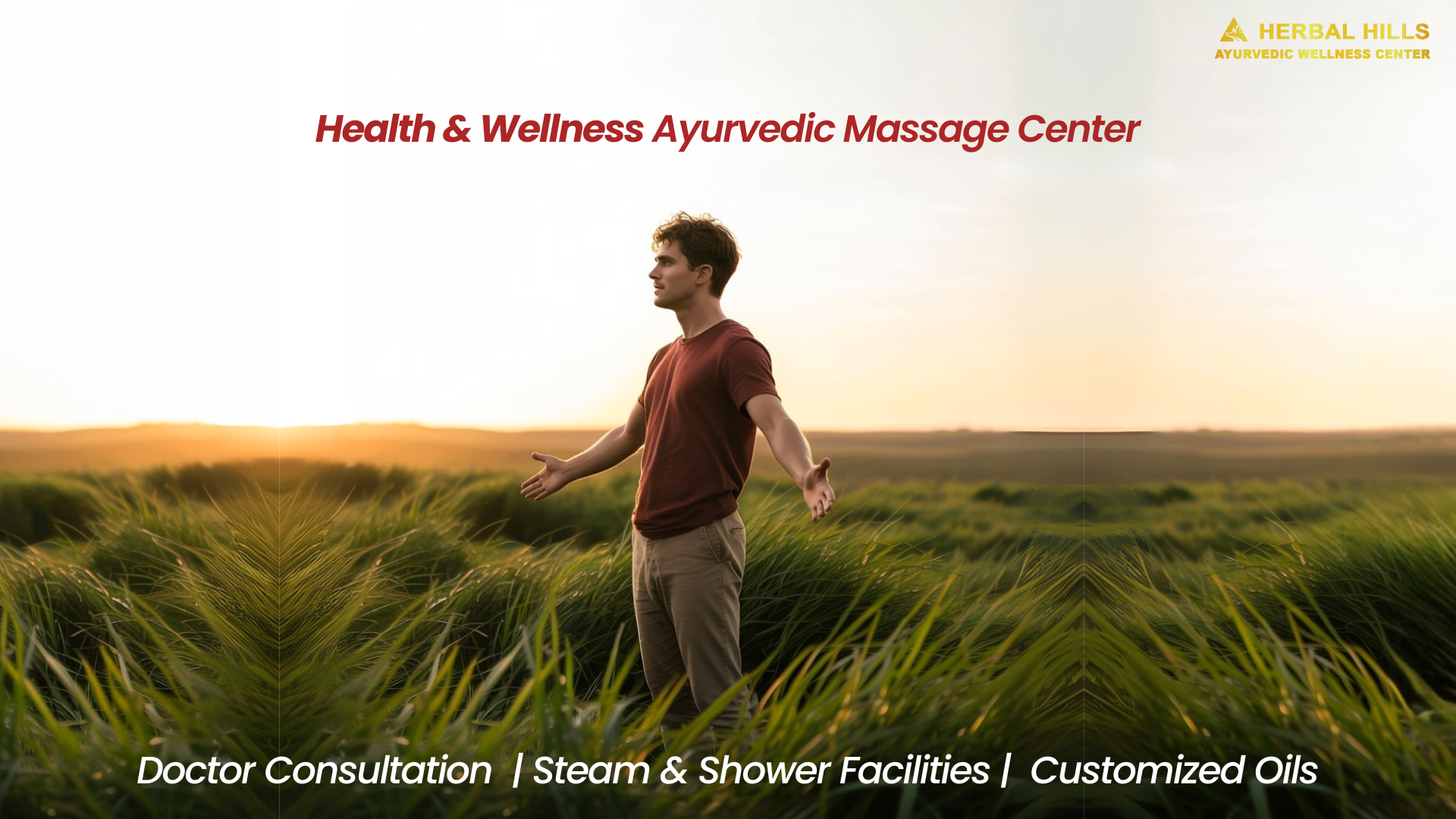
Full Body Massage the Ayurvedic Way: What a Doctor-Guided Session Includes, Body Massage Benefits, Who Should Avoid It, and How to Choose a Centre
A full body massage in Ayurveda is a doctor-guided session in which trained therapists massage the whole body with warm, chosen herbal oils, usually followed by herbal steam and a warm shower, to relax the muscles, calm the mind and support a sense of wellbeing. It differs from a general relaxation massage because it starts with a consultation, uses oils picked for your body type and current state, and is planned around your health. It may help with stress, muscle tension, sleep and dry skin, but it is not right for everyone, so a short check by a doctor first matters.
The short version
- An Ayurvedic full body massage uses warm herbal oils chosen for you.
- A doctor consultation comes first, to check that it is safe and suitable.
- Sessions are often followed by herbal steam and a warm shower.
- Benefits of massage include relaxation, easier muscles and better sleep for many people.
- Fever, infections, skin wounds, some heart and blood conditions and pregnancy need medical advice first.
- Choose a centre with doctors, trained therapists and good hygiene.
What is a full body massage?
A full body massage covers the back, shoulders, arms, hands, legs, feet and often the scalp, face and abdomen. The therapist uses steady strokes, gentle pressure and kneading to relax the muscles and the mind.
In Ayurveda, a full body massage is not just a treat. It is part of daily and seasonal self-care, and in a centre it is used as a therapy, planned by a doctor, with oils and pressure matched to the person.
Ayurvedic full body massage vs a general relaxation massage
| Point | Doctor-guided Ayurvedic | General relaxation |
|---|---|---|
| Before the session | Doctor consultation and Nadi Parikshan | Usually a short form, if any |
| Oils | Herbal oils chosen for your body type | Standard oils or creams |
| Therapists | Trained in Ayurvedic therapies | Training varies |
| Aim | Balance, comfort and wellbeing, planned around your health | Relaxation |
Both can feel good. The Ayurvedic way adds a medical check and personal planning. Our page on Ayurvedic massage explains the wider range.
Abhyanga: the classical full body massage
The classical Ayurvedic full body massage is called Abhyanga. Warm oil is applied over the whole body with rhythmic, long strokes along the limbs and circular strokes over the joints.
Classical texts recommend Abhyanga as part of a healthy daily routine, especially to calm Vata, the dosha of dryness and movement. You can read about how it is done at Herbal Hills on our Abhyanga massage page.
Before the session: why consultation comes first
A good full body massage starts with a conversation, not on the table. At an Ayurvedic centre, a doctor asks about your health, medicines, recent illnesses, injuries, skin and sleep, and checks your pulse through Nadi Parikshan.
This helps the doctor decide whether massage suits you today, which oil to use, how much pressure is right, which areas to avoid and whether steam is safe for you. It also catches reasons to wait.
Step by step: what a doctor-guided full body massage includes
- Consultation and pulse assessment with the doctor.
- Choosing the oil and the type of massage.
- Warming the oil to a comfortable temperature.
- Massage of the whole body by trained therapists, in a private room.
- Herbal steam, if the doctor advises it.
- A short rest, then a warm shower.
- Simple advice on food, water and rest for the rest of the day.
The doctor decides the number and spacing of sessions.
The oils: why they are chosen, not fixed
Ayurveda uses many herbal oils, each prepared by cooking herbs in a base oil such as sesame or coconut. Some are warming, some cooling, some lighter and some richer.
For example, a person with dry skin and Vata signs may be given a warm, nourishing oil, while a person who feels hot and irritable may be given a cooler oil. Herbal Hills uses 40+ Herbal Hills oils, and the doctor chooses the one that suits you.
Herbal steam after the massage
In many Ayurvedic sessions, the full body massage is followed by Swedana, or herbal steam. The warmth is meant to relax the muscles further and help the body feel light and loose.
Steam is not right for everyone. People with high blood pressure, heart problems, pregnancy, fever or a tendency to feel faint may need a shorter session or none at all. You can read more about it on our Ayurvedic steam bath page.
After the massage: rest and a warm shower
After the session, rest for a few minutes before standing up, as the floor and your feet can be slippery with oil. Then take a warm shower. Many centres, including Herbal Hills, offer private therapy rooms with attached showers.
Drink some warm water, avoid a heavy meal straight after, and keep away from cold wind and AC blowing directly on you for a while. Plan a calm rest of the day if you can.
Body massage benefits: what we can say honestly
Research on the benefits of massage is still growing, and results vary between studies. The NCCIH guide to massage therapy notes that massage may help with some kinds of pain and with stress and anxiety for a short time, and that it is generally safe when done by a trained therapist.
Ayurveda adds its own reasons, based on dosha balance and daily routine. The body massage benefits below are what people commonly report.
Benefit 1: Relaxation and a calmer mind
The most common of all body massage benefits is a feeling of deep relaxation. Slow, rhythmic touch can help the body shift out of a tense, rushed state.
Many people say they feel calmer and clearer afterwards. For ongoing stress, massage works best alongside sleep, movement and support, not as the only step.
Benefit 2: Easier muscles and less stiffness
Long hours at a desk, travel and heavy bags leave the neck, shoulders and back tight. Massage with warm oil and steam may ease muscle tension and help you feel more flexible.
If you have a known joint or spine problem, the doctor will decide the pressure and may suggest other therapies that suit you better.
Benefits 3 and 4: Sleep and skin
Sleep: people often sleep more deeply on the night of a session. Ayurveda links regular oil massage with calm Vata and restful sleep.
Skin: warm oil softens dry, rough skin, especially in winter and in air-conditioned rooms. The skin often feels smoother and more supple after the session.
Benefits 5 to 7: Comfort, routine and body awareness
- Benefit 5, comfort after long days: legs and feet that feel tired after standing or travel often feel lighter.
- Benefit 6, a healthy routine: regular sessions can become a fixed pause in a busy week.
- Benefit 7, body awareness: you notice tight spots and habits, such as hunched shoulders, that you can then work on.
What massage cannot do
A full body massage is supportive care. It does not treat infections, heart disease, diabetes, fractures or other medical conditions, and it does not replace medicines your doctor has prescribed.
Be wary of claims that a single massage will melt fat, flush out disease or fix long-standing pain. Real benefits come from regular care, sensible habits and proper medical treatment where needed.
Who should avoid a full body massage, or wait
- People with fever, flu or an active infection.
- Those with open wounds, burns, rashes or skin infections.
- Anyone with a recent fracture, sprain, surgery or blood clot.
- People with severe varicose veins over the area.
- Those with a very upset stomach or right after a heavy meal.
- People who feel very unwell for any reason.
In these cases, wait until a doctor says it is safe.
People who need extra care
Some people can have a massage, but only with a doctor’s advice and changes to the plan:
- Pregnant women, especially in the first months.
- People with heart disease or high blood pressure.
- Those taking blood thinners, who may bruise easily.
- People with diabetes and reduced feeling in the feet.
- Older adults with fragile skin or bones.
- People with cancer, who should ask their oncologist first.
Other whole-body Ayurvedic therapies
Depending on your needs, the doctor may suggest a different whole-body therapy instead of, or after, a classical full body massage:
- Udvartana, a dry herbal powder massage with upward strokes.
- Pizhichil, in which warm oil is poured over the body while it is gently massaged.
- Navarakizhi and Podikizhi, massages with warm herbal bundles.
Each has its own uses, so the choice is made after consultation.
How to choose a full body massage centre
A good session depends as much on the centre as on the technique. Before you book, look for:
- A doctor who sees you before the first session.
- Trained therapists who explain what they will do.
- Clear hygiene practices and clean, private rooms.
- Oils with clear names and sources.
- Staff who ask about your health and respect your comfort and privacy.
If anything feels rushed or unclear, ask questions or choose another place.
Hygiene: what to look for
- Fresh linen and towels for every client.
- Cleaned massage tables and floors between sessions.
- Oil taken from clean containers, not reused from another client.
- Therapists who wash their hands before starting.
- Clean shower areas with hot water.
Our blog on wellness centre hygiene explains these standards in more detail.
Trained therapists and same-gender care
Ayurvedic therapists learn specific strokes, pressure, oil temperatures and the order of each therapy. They also learn when to stop and call the doctor.
Many people feel more at ease with a therapist of the same gender. It is reasonable to ask about this when you book, and to ask the therapist to change the pressure at any time.
Questions to ask before you book
- Will a doctor see me before the massage?
- Which oil will be used, and why?
- Is the room private, with a shower?
- Are the therapists trained in Ayurvedic therapies?
- Is steam included, and is it safe for me?
- How many sessions does the doctor suggest?
Clear answers are a good sign that the centre takes care seriously.
How to prepare for your session
- Eat a light meal at least two hours before.
- Tell the doctor about every medicine, allergy and health condition.
- Wear loose clothes that you do not mind getting a little oily.
- Arrive a little early so you are not rushed.
- Leave jewellery at home.
- Tell the therapist at once if anything is uncomfortable.
Simple self-massage at home
Ayurveda also recommends a short oil massage at home. Warm a little oil that your doctor suggests, then massage the scalp, ears and feet, followed by the arms and legs with long strokes and the joints with small circles.
Leave the oil on for a few minutes, then take a warm bath. Even ten minutes, a few times a week, can become a calming habit. Skip it on days when you have fever, a cold or an upset stomach.
Massage through the seasons
Ayurveda adjusts oil massage to the season. In the cool, dry months, warmer and richer oils are often used to calm Vata and soften dry skin. In the hot months, lighter and cooling oils may suit better, and sessions may be gentler.
During the Mumbai monsoon, when digestion tends to be weaker and the air is damp, the doctor may suggest lighter oils, steam or a dry powder massage instead.
Myths about full body massage
Myth: Harder pressure works better
Fact: Strong pressure can cause soreness or bruising. The right pressure depends on your body.
Myth: Any oil will do
Fact: Ayurveda chooses oils for your body type and season.
Myth: Massage is only a luxury
Fact: In Ayurveda, regular oil massage is part of a healthy routine.
Myth: Massage is safe for everyone, every day
Fact: Fever, infections and some conditions mean you should wait.
When to see a doctor
See a doctor before any massage if you have unexplained pain, swelling, redness or warmth in one leg, chest pain, breathlessness, a recent injury or fever. These may need medical tests first.
After a session, contact a doctor if you notice dizziness that does not settle, a skin rash, new bruising or pain that gets worse. Long-standing back or joint pain should also be checked by a doctor rather than treated with massage alone.
How Herbal Hills can help
At Herbal Hills, every full body massage starts with a free doctor consultation, including Nadi Parikshan, to check whether massage suits you and which oil and approach are right. The doctor may also suggest steam, other therapies, diet and routine guidance.
Therapies are given by trained therapists in private rooms with attached showers, using 40+ Herbal Hills oils. If you are looking for a centre close to home, our blog on an Ayurvedic body massage near me may help.
Your first visit, step by step
- Book a free doctor consultation at your nearest centre.
- Meet the doctor and share your health history and medicines.
- Have your pulse checked through Nadi Parikshan.
- Hear the doctor’s suggestion and ask any questions.
- If suitable, enjoy your session, steam if advised, and a warm shower.
- Take home simple advice for the days ahead.
Frequently asked questions
A doctor consultation, warm herbal oils chosen for your body type, a whole-body massage by trained therapists in a private room, herbal steam if advised, and a warm shower.
Many people feel relaxed, sleep better, have easier muscles and softer skin. Research suggests massage may help with some pain and with stress for a short time.
People with fever, infections, open wounds, skin infections, recent fractures or surgery, or a suspected blood clot should wait. Pregnant women and people with heart conditions should ask a doctor first.
It depends on your health, body type and goals. A doctor can suggest how many sessions you need and how far apart they should be.
For many people it is, but those with high blood pressure, heart problems, pregnancy or fever may need a shorter session or none. The doctor decides.
Look for a doctor consultation before the first session, trained therapists, clean private rooms with showers, clear oils and staff who respect your comfort and privacy.
This article is for general education and does not replace medical advice. Ayurvedic therapies and medicines at Herbal Hills are planned by qualified doctors after a personal consultation.
Find a Herbal Hills centre near you
A doctor can check whether a full body massage suits you and choose the right oil and plan. Herbal Hills has five centres in Western Mumbai, in Juhu (Andheri West), Goregaon West, Kandivali West and two in Borivali West, open Tuesday to Sunday, 10 am to 7 pm. Find your nearest centre.
Relax deeply. Feel looked after.