
After 50, Your Muscles Are Quietly Asking for Protein: Is Plant Protein Your Answer?

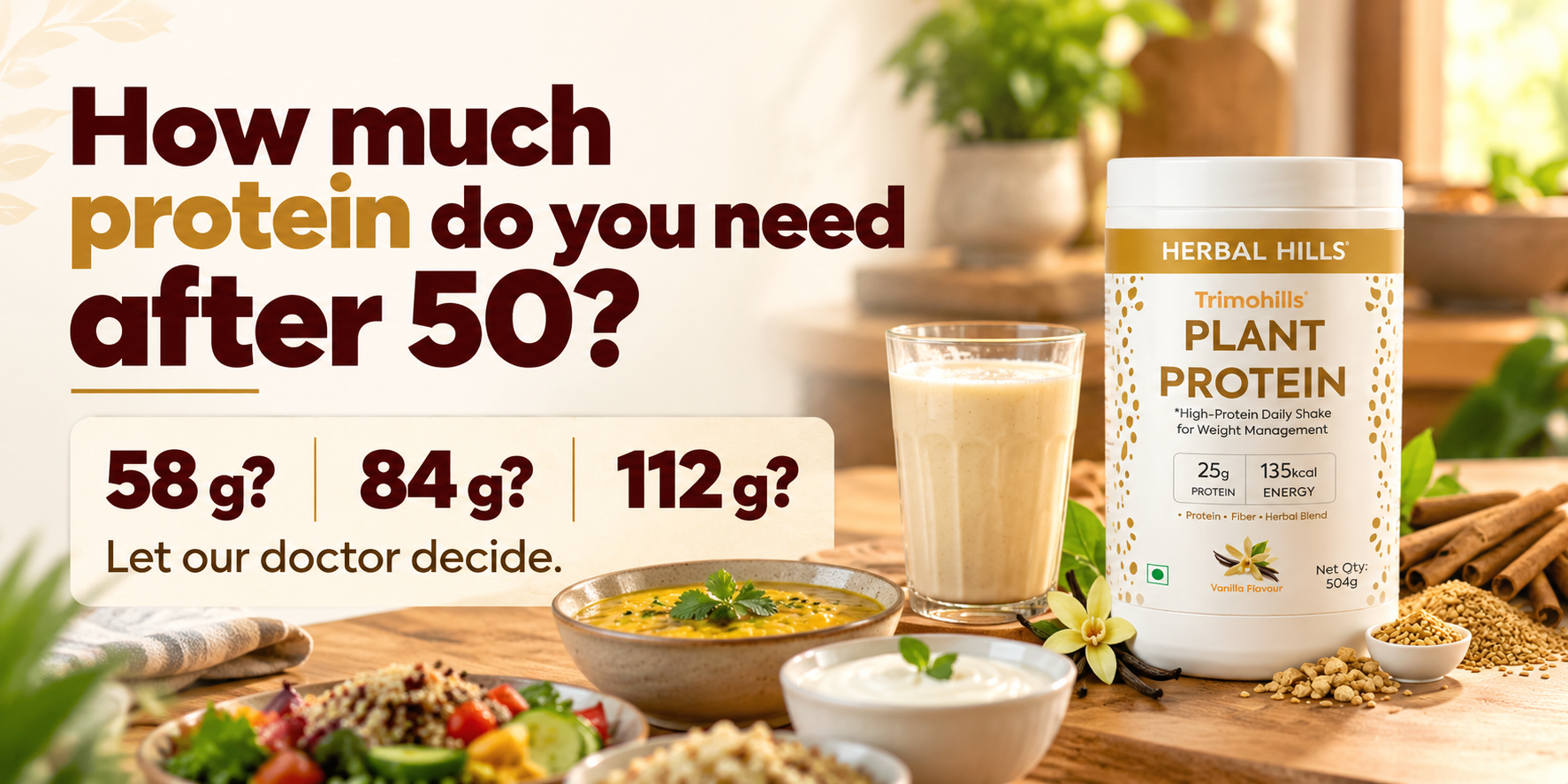
Protein for elderly people and anyone over 50 is less about gym shakes and more about getting up from a chair, climbing stairs and bouncing back after illness. What changes with age, what to eat, and why a doctor consultation should come before your first scoop.
Quick answer: why does protein for elderly people matter? After 30, muscle slowly shrinks, and after 60 it goes faster. Enough protein, spread across the day and paired with gentle strength work, helps you stay strong and steady. How much you need depends on your kidneys, sugar, digestion and joints, so a doctor should set your amount first.
It rarely starts with a blood report. It starts with small things. You hold the railing on stairs you once climbed without thinking. Getting up from a low sofa needs a push from your hands. The pickle jar lid feels tighter than it used to. A short fever leaves you weak for weeks.
Most people blame age. Often, part of the story is muscle, and the food that feeds it. Here is why protein for elderly people deserves attention, and how to fix the gap with food you already eat.
Why does protein for elderly people matter so much?
Your muscles do far more than lift things. They keep you steady when you walk, take load off your joints, help you recover from illness and are one of the biggest users of blood sugar in the body. Ayurveda calls muscle tissue mamsa dhatu, one of the seven tissues that need good food and good digestion to stay strong.
From around 30, muscle mass falls by roughly 3% to 8% each decade, and the pace picks up after 60, according to a review published by the NIH. Doctors call the advanced stage sarcopenia. It is quiet: you do not feel muscle leaving, you only notice what you can no longer do easily.
The good news is that muscle responds at any age. Enough protein plus regular movement can slow the loss and help rebuild strength. That is what protein after 50 is really about: staying independent, not building a gym body.
What are the quiet signs your muscles need attention?
Before thinking about protein for elderly parents or yourself, watch for everyday clues:
- Standing up from a chair or the floor needs help from your hands.
- Stairs feel harder, or you stop halfway for breath and strength.
- Shopping bags or a bucket of water feel heavier than they did a year ago.
- Your walking pace has slowed, or you feel unsteady on uneven roads.
- You take much longer to bounce back after a fever, surgery or hospital stay.
Try a simple check at home: sit on a firm chair, fold your arms across your chest and stand up five times. If that is a struggle, tell your doctor. These signs can have other causes, so let a doctor look at the whole picture.
Is the typical Indian plate short on protein?
Often, yes, and breakfast is usually the weakest meal. Picture a common day: tea with two biscuits, a plate of poha or upma, roti-sabzi with a thin dal at lunch, more tea and namkeen at five, and khichdi at night. Comforting and familiar, but mostly carbohydrate, with little protein.
Age widens the gap. Appetite shrinks, dentures make some foods hard to chew, and many seniors skip dal at night believing it is heavy. Protein falls just as the body needs it more.
Vegetarian homes are not at a disadvantage: dal, rajma, chana, paneer, curd, milk and soy are excellent protein foods. The problem is usually portion and timing.
How much protein for elderly adults? Experts don’t agree
There is no single number, and that is worth knowing. India’s ICMR-NIN sets 0.83 grams per kilogram of body weight a day for healthy adults. The British Dietetic Association suggests 1.0 to 1.2 grams per kilogram from age 65 to protect muscle.
For a 70 kg person, that is roughly 58 to 84 grams a day. The right figure for you depends on your kidney function, blood sugar, weight goals, activity and digestion. Someone recovering from illness may need more; someone with kidney disease may need less. That is why protein for senior citizens is best set by a doctor, not by the back of a tin.
How can you add protein to Indian meals without changing everything?
The easiest protein for elderly adults is already in the kitchen. Small swaps work better than a new diet, and spreading protein across meals helps more than one big serving. Rough amounts:
- Breakfast: a moong dal or besan chilla instead of plain poha, or add a boiled egg (about 6 grams) or a bowl of curd to your usual plate.
- Lunch: make the dal thicker and take a full katori, add paneer or chana to the sabzi, and finish with a glass of chaas.
- Evening: swap biscuits for a handful of roasted chana or peanuts (roughly 5 to 7 grams), or a small bowl of sundal.
- Dinner: add extra moong dal to khichdi, have dal soup if chewing is hard, or a little paneer or tofu with your rotis.
- Bedtime: a glass of warm milk (about 6 grams) if it suits your digestion and sugar levels.
Curd, paneer, dal soup and eggs are kind to dentures. If food feels heavy, Ayurveda looks at your agni, the digestive fire, first. Read why healthy food is not enough without strong agni.
Does plant protein really work for muscles?
It can, with a little planning. Gram for gram, many plant proteins build muscle a little less efficiently than milk or eggs, mainly because they contain less of certain amino acids such as leucine. A 2019 review in Nutrients found that slightly larger servings, mixing different plant proteins and adding leucine can close much of that gap.
Indian kitchens have done this mixing for centuries: dal with rice, rajma with roti, idli from rice and urad.
Food still comes first. ICMR advises getting protein from dals, pulses, milk, curd and eggs. When food alone is not enough, for example during recovery or with a poor appetite, a supplement can fill the gap. Herbal Hills Plant Protein comes in chocolate, mango, vanilla and unflavoured.
What should you check before buying a protein powder?
Turn the tin around before you open it. Look for:
- Protein per scoop, and how many scoops the label asks for.
- Added sugar, especially if you have diabetes or are watching your weight.
- Any ingredient you are allergic to or that upsets your stomach.
Start with a smaller serving and see how your digestion responds. More is not better: ICMR-NIN cautions against routine, heavy use of protein powders.
Protein for diabetics and joint pain: is it safe?
For many people with diabetes, protein for elderly adults is safe and even useful, because a meal with enough protein tends to raise blood sugar more gently. The caution is the kidneys: long-standing diabetes or high blood pressure can affect them, and then protein needs adjusting. A recent kidney test should come first.
For joint pain, protein does not repair cartilage. What it does is feed the muscles around the knee and hip, and stronger muscles take load off sore joints. Our joint care programs combine therapy, diet and guided exercise.
Why doesn’t protein work without movement?
Protein for elderly adults works only with movement. Protein is the raw material; movement tells muscle to use it. Without it, extra protein mostly becomes extra calories. No gym needed; ten to fifteen minutes on most days is a good start:
- Slow sit-to-stands from a chair.
- Wall push-ups for the arms and shoulders.
- A daily walk, made a little longer or brisker over time.
- One flight of stairs, holding the railing.
If you have knee or back pain, ask the doctor which movements are safe for you before you begin.
Why visit a Herbal Hills doctor before you start?
Because the right protein for elderly patients is personal, and guessing is the risky part. Our doctors review your age and goals, your diet and digestion, your sugar and kidney reports, your joints and your medicines, and read your pulse with Nadi Parikshan.
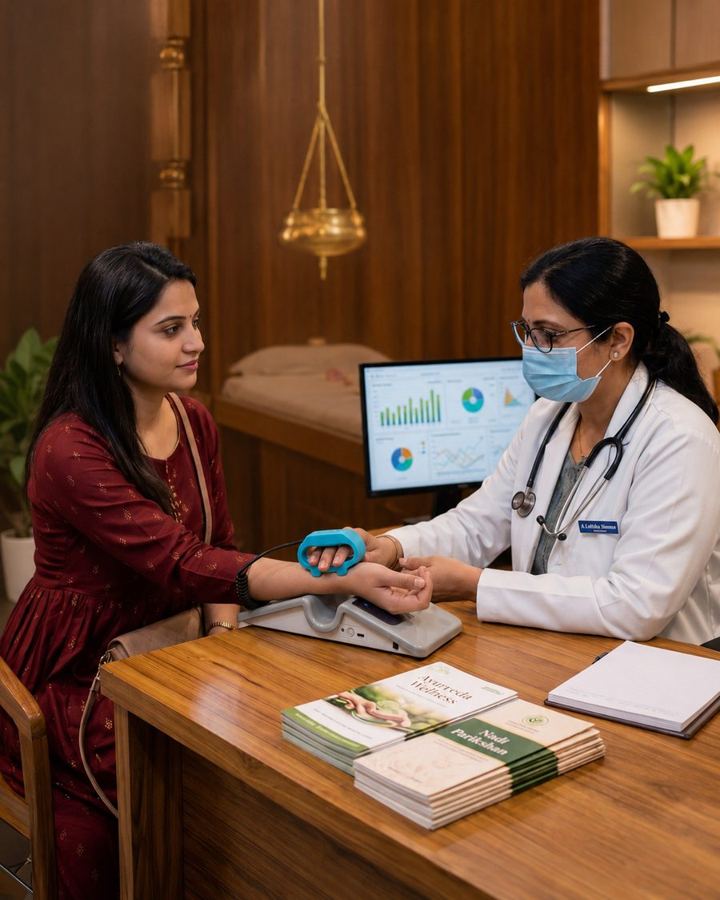
You leave knowing how much protein you need, which foods suit you, whether a supplement makes sense, when to take it and what to watch for. If you need more than protein, we can build a structured plan such as our Weight Management Package. Visit, understand, then start with confidence.
Book a ConsultationChat on WhatsAppExplore Herbal Hills Plant Protein
Protein after 50: frequently asked questions
Sarcopenia is the gradual loss of muscle mass and strength with ageing. Signs can include feeling weaker, and finding stairs, dressing or getting up from a chair harder, with a higher risk of falls. It is not something to diagnose yourself, so ask a doctor.
Dals and pulses, rajma, chana, soy, paneer, curd, milk, eggs and peanuts are all good sources. Soft options such as dal soup, curd, paneer and eggs suit people with dentures or weak digestion. A doctor can help you choose based on your sugar, kidneys and digestion.
It may help. Mayo Clinic says limited evidence suggests protein can help lower body fat, keep lean muscle and keep you feeling full. But a protein drink adds calories, so it must fit your plan. It is not a guarantee.
That depends on you. ICMR-NIN cautions against routine, heavy use of protein powders, noting that prolonged high intake has been linked to bone and kidney concerns, and powders can carry added sugar. Your doctor can advise how often, how much and for how long.
It is not compulsory, but it is the best way to start. A doctor checks your diet, sugar and kidney reports, joints, medicines and digestion, then sets your amount and type. Herbal Hills Plant Protein does not replace a balanced diet or prescribed care.
Book your protein consultation in Western Mumbai, from Juhu to Borivali
Herbal Hills Ayurvedic Wellness Center has five centres across Mumbai’s western suburbs, open Tuesday to Sunday, 10 AM to 7 PM. Choose the centre nearest your home. See all centres.
| Centre | Area |
|---|---|
| Herbal Hills Juhu | Juhu Lane, Andheri West |
| Herbal Hills Goregaon | Goregaon West |
| Herbal Hills Kandivali | Kandivali West |
| Herbal Hills Borivali (LT Road) | Borivali West |
| Herbal Hills Borivali (Yogi Nagar) | Borivali West |
General information only; individual results vary; not a substitute for medical advice. Herbal Hills Plant Protein does not guarantee weight loss or muscle gain.
Manage your weight. Nourish your strength.
Book a consultation, get your own protein answers, then start with confidence.