

Blog
From Haldi Ceremony to Healing Ritual

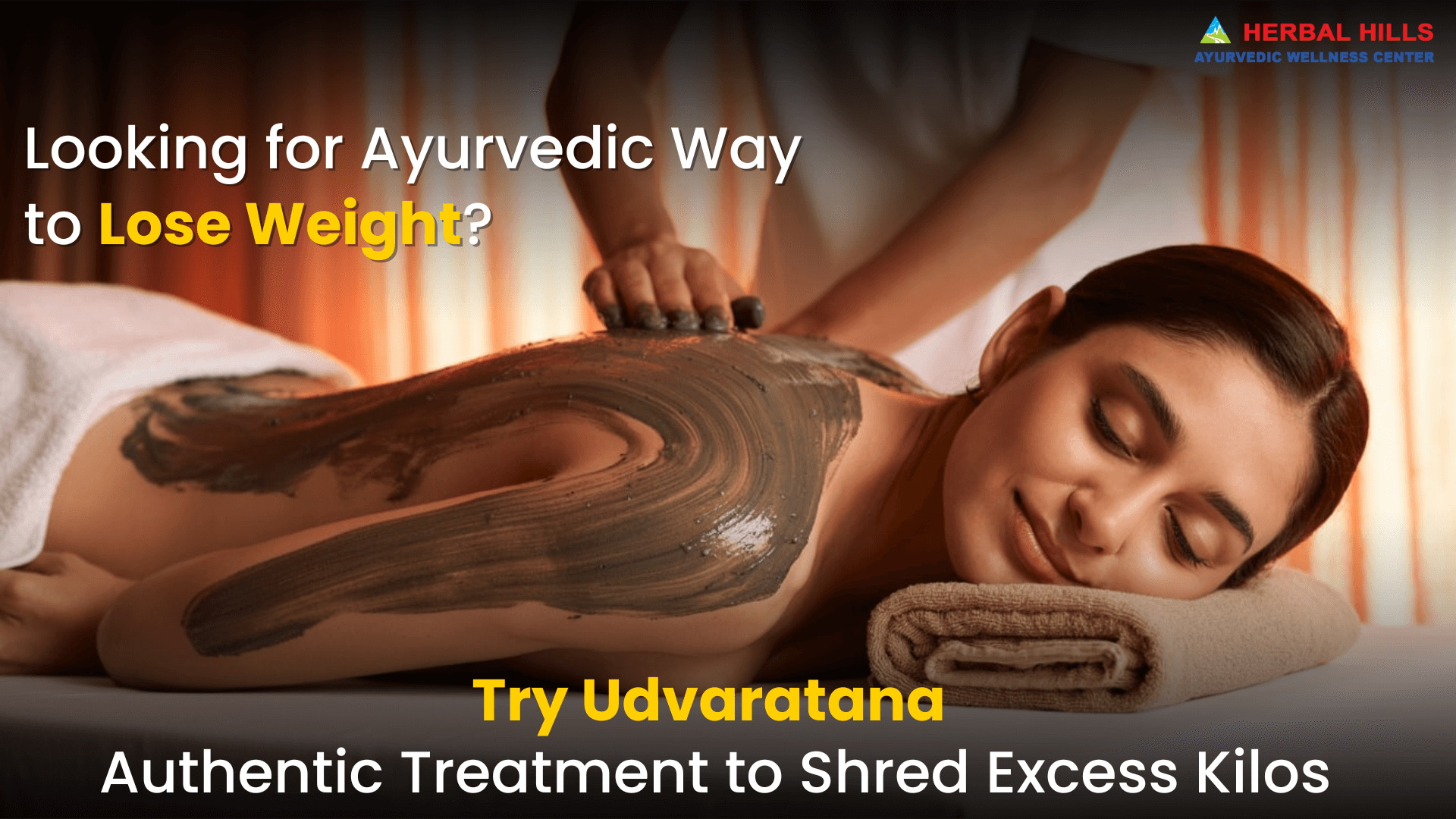
Ubtan for Body: How to Use It at Home, and How It Differs From Ayurvedic Udvartana
Ubtan for body is a traditional Indian paste of gram flour, turmeric, herbs and milk or rose water, rubbed onto the skin before a bath to cleanse, gently exfoliate and soften it. It is the home cousin of Udvartana, the Ayurvedic herbal powder massage. Ubtan is a lovely weekly ritual for skin; Udvartana is a therapy chosen by a doctor for circulation, Kapha and weight goals.
What is ubtan?
Ubtan is one of India’s oldest beauty rituals. Families have made it for generations from simple kitchen ingredients: gram flour (besan), turmeric, sandalwood, herbs, milk, curd or rose water. It is best known from the haldi ceremony before weddings, when a turmeric ubtan is applied to the bride and groom, but many households used it every week.
The word comes from the Sanskrit udvartana, which describes rubbing herbal powders or pastes over the body. So when you use ubtan for body care at home, you are practising a gentle, everyday form of an Ayurvedic therapy.
Both use herbal powders applied with rubbing strokes, but they serve different purposes:
- Ubtan is usually a moist paste, applied gently at home for cleansing, softness and glow. It suits most people as an occasional ritual.
- Udvartana is a classical Ayurvedic therapy using dry or lightly moistened herbal powders, massaged firmly in upward strokes by trained therapists. It is used for Kapha imbalance, heaviness, sluggish circulation and as part of weight management plans.
Think of ubtan as skin care and Udvartana as therapy. The Udvartana treatment page explains the classical therapy in more detail.
7 traditional ubtan benefits
- Gentle cleansing: gram flour lifts oil and dirt without harsh soap.
- Mild exfoliation: rubbing removes dead skin, leaving skin smoother.
- Softer skin: milk, curd or a few drops of oil keep it from drying.
- Even-looking tone: regular gentle exfoliation can help skin look brighter.
- Circulation: the rubbing massage warms the skin and improves blood flow.
- Fewer chemicals: a simple, natural alternative to fragranced scrubs.
- A calming ritual: slowing down for a weekly self-care routine.
These ubtan benefits are traditional and gentle. Ubtan is not a treatment for skin diseases, and results depend on regular, careful use.
Which ingredients go into ubtan, and why?
| Ingredient | Traditional role |
|---|---|
| Gram flour (besan) | Base; cleanses and lifts oil |
| Turmeric (haldi) | Traditionally used for skin glow; use only a pinch |
| Sandalwood powder | Cooling; traditionally used for Pitta-type skin |
| Rice flour or oats | Gentle exfoliation |
| Milk, curd or malai | Softening, for dry skin |
| Rose water | Cooling and fragrant, for sensitive or oily skin |
| Masoor dal powder | Traditionally used for exfoliation and tone |
How to make ubtan for your skin type
Here is how to make ubtan simply, with options for each skin type. Mix into a smooth, spreadable paste:
- Dry skin (Vata): 2 tablespoons besan, a pinch of turmeric, 1 teaspoon almond powder, enough milk or malai to mix, and a few drops of sesame or almond oil.
- Sensitive or hot skin (Pitta): 2 tablespoons besan, 1 teaspoon sandalwood powder, rose water to mix. Skip or reduce turmeric.
- Oily skin (Kapha): 2 tablespoons besan, 1 teaspoon masoor dal powder, a pinch of turmeric, rose water or a little curd to mix.
For the full body, simply multiply the quantities.
Haldi ubtan: the classic recipe
The traditional haldi ubtan used before weddings and festivals combines besan, a small amount of turmeric, sandalwood powder and milk or rose water. Some families add a few strands of saffron or a little mustard oil.
Use turmeric sparingly. Too much can leave a yellow tint, especially on fair skin, and can irritate sensitive skin. Always patch-test on your inner arm first.
How to apply ubtan for body, step by step
- Oil first, if your skin is dry: a light warm oil massage 15 minutes before helps.
- Apply the paste in a thin layer on slightly damp skin.
- Leave for 5 to 10 minutes until it starts to dry, but not until it cracks.
- Rub gently in circular or upward strokes to lift the paste and dead skin.
- Rinse with lukewarm water; avoid soap afterwards.
- Moisturise with a light oil or cream if needed.
Be gentle on the face, neck and any sensitive areas.
How often should you use ubtan?
Once or twice a week is enough for most people. More often can over-exfoliate and dry the skin, especially in winter or for Vata-type skin. Oily skin may tolerate twice a week; sensitive skin may prefer once every week or two.
Avoid ubtan on broken skin, active acne, rashes, sunburn, eczema flares or fresh waxing.
Who should be careful with ubtan?
- People with very sensitive skin or eczema: patch-test, use mild ingredients and avoid turmeric.
- Anyone allergic to gram flour, milk or any herb in the recipe.
- People with active skin infections, wounds or rashes.
- Babies and young children: use only very mild preparations, and ask a doctor first.
If your skin stings, reddens or itches, wash it off immediately with cool water.
What Udvartana does that ubtan does not
Udvartana is firmer, longer and done by trained therapists. Dry herbal powders are massaged against the direction of hair growth, in upward strokes, which Ayurveda describes as stimulating circulation, reducing excess Kapha and supporting the breakdown of excess fat as part of a weight management plan.
Because it is vigorous and drying, Udvartana does not suit everyone. People with very dry skin, low body weight, weakness or certain skin conditions may need a different therapy, which is why a doctor decides.
Inside the Udvartana Signature therapy
The Herbal Hills Udvartana Signature therapy is a 2-hour session that combines four classical therapies:
- Sarvanga Udvartana: full-body herbal powder massage in upward strokes.
- Sarvanga Podikizhi: warm herbal powder pouches massaged over the body.
- Ekang Lepam: herbal paste applied to specific areas.
- Sarvanga Abhyanga: full-body warm oil massage to nourish the skin after exfoliation.
The treatment takes about 90 minutes, followed by 15 minutes of steam and shower and 15 minutes of rest. It is priced at ₹6,000 per session, and a doctor consultation comes first. See the body polishing treatment page for details.
Ubtan or Udvartana: which should you choose?
| Home ubtan | Udvartana Signature therapy | |
|---|---|---|
| Main purpose | Cleansing, softness, glow | Circulation, Kapha balance, weight goals, body polishing |
| Texture | Moist paste | Dry herbal powders, plus oil and pastes |
| Who applies it | You, at home | Trained therapists, after a doctor’s assessment |
| How often | Once or twice a week | As advised by the doctor |
| Time | 15 to 20 minutes | About 2 hours including steam, shower and rest |
Ubtan for body before weddings and festivals
Many families use ubtan for body glow in the weeks before a wedding or festival. Start at least four weeks ahead, once or twice a week, so the skin has time to adjust. Avoid trying new ingredients a few days before the event.
Brides and grooms who want deeper care often combine home ubtan with a few Signature therapies, such as Udvartana for the body or Saundarya for the face, planned with the doctor.
Ubtan through Mumbai’s seasons
Mumbai’s weather changes what your skin needs. In the humid months and the monsoon, a lighter ubtan with besan, masoor dal and rose water suits most people. In the drier, cooler months, add milk, malai or a few drops of oil. In the hot months, sandalwood and rose water are cooling choices.
Ayurveda adjusts body care with the seasons, just as it adjusts food.
Common myths about ubtan
“More turmeric means more glow.”
Too much turmeric stains and can irritate. A pinch is enough.
“Scrubbing harder works better.”
Gentle rubbing is enough; hard scrubbing damages the skin barrier.
“Ubtan is the same as Udvartana.”
Ubtan is gentle home skin care; Udvartana is a vigorous therapy chosen by a doctor.
“Natural means it suits everyone.”
Natural ingredients can still cause allergies. Patch-test first.
Ubtan for body: the short version
Ubtan for body is a simple, traditional paste of besan, a pinch of turmeric and skin-friendly additions, used once or twice a week to cleanse, exfoliate and soften the skin. Choose ingredients for your skin type and patch-test first. For deeper goals such as circulation, heaviness or weight management, Udvartana is the classical therapy, planned by a doctor.
A weekly ubtan ritual for body care
- Choose a calm time, such as a weekend morning.
- Warm a little oil and massage it into dry areas such as elbows, knees and shins.
- Mix your ubtan fresh, using ingredients for your skin type.
- Apply, rest and rub as described above.
- Rinse with lukewarm water and pat dry.
- Finish with rest: a warm drink and a few quiet minutes.
Making ubtan for body care a weekly ritual, rather than a one-off before an event, is what gives the best results over time.
Ubtan for body tan and dullness
Many people use ubtan for body tan after sun exposure. Besan, curd and a pinch of turmeric are the traditional mix. Regular gentle exfoliation removes dead skin and can help skin look brighter over a few weeks, but ubtan does not bleach the skin, and results are gradual.
Sun protection does far more to prevent tan than any ubtan. If you have patches of pigmentation that are spreading or changing, see a dermatologist.
Ubtan for body: storage and hygiene
Make ubtan fresh each time, especially if it contains milk, curd or malai, which spoil quickly. You can store a dry mix of besan, masoor dal powder and herbs in a clean, airtight jar for a few weeks, and add liquid just before use. Discard any mix that smells sour or shows moisture. Use a clean bowl and spoon, and do not share leftover paste.
Ubtan for men
Ubtan is not only for brides. Men can use ubtan for body care too, especially for oily skin, sweat and sun exposure from commuting. A simple mix of besan, masoor dal powder and rose water suits oily skin; add curd if the skin feels dry after shaving. Men interested in deeper body work, such as circulation or weight goals, can ask the doctor whether Udvartana suits them.
Ubtan for body: the Ayurvedic logic
Ayurveda sees the skin as a reflection of digestion, circulation and dosha balance. Ubtan for body care works on the surface, cleansing and gently stimulating circulation. Udvartana goes deeper, with firm upward strokes traditionally used to reduce excess Kapha and heaviness. Diet, sleep and routine work from the inside.
The best skin and body care uses all three: a weekly ubtan, healthy daily habits, and therapies when a doctor feels they are needed.
Who benefits from Udvartana?
- People with a heavy, sluggish feeling and excess Kapha.
- Those following a weight management plan with diet and routine changes.
- People who want smoother, polished skin and better circulation.
- Those recovering from a period of inactivity, once the doctor agrees.
Udvartana may not suit people with very dry or sensitive skin, low body weight, weakness, skin infections or certain medical conditions. The consultation decides.
Ubtan and Udvartana through life stages
Gentle ubtan for body care suits most ages, from teenagers with oily skin to older adults with dry skin, with ingredients adjusted for each. Udvartana is usually advised for adults with a Kapha pattern or weight goals, and is used more carefully in older adults, whose skin and bodies may be drier and more delicate. Pregnant women should ask a doctor before any body therapy.
Ubtan for body: quick reference
| Skin type | Base | Add | Mix with |
|---|---|---|---|
| Dry (Vata) | Besan | Almond powder, a pinch of turmeric, a few drops of oil | Milk or malai |
| Sensitive (Pitta) | Besan | Sandalwood powder | Rose water |
| Oily (Kapha) | Besan | Masoor dal powder, a pinch of turmeric | Rose water or curd |
| Normal | Besan | Rice flour, a pinch of turmeric | Curd or milk |
Patch-test any new ubtan for body care on the inner arm and wait 24 hours before using it widely.
Can ubtan replace soap?
Many families use ubtan instead of soap once or twice a week, and gram flour is a gentle traditional cleanser. On other days, a mild, unperfumed cleanser is fine. Avoid using both soap and ubtan in the same bath, which can strip the skin of its natural oils.
Ubtan for body before the haldi ceremony
For the haldi ceremony itself, families often use a richer haldi ubtan with more turmeric, sandalwood and milk. Because it is applied in larger amounts and left on longer, do a patch test a week before, and have a gentle cleanser and moisturiser ready for afterwards. Avoid the eyes, and wash off promptly if any area stings. After the wedding rush, return to a gentle weekly ubtan for body care to keep the skin calm.
Ubtan and Udvartana: what a doctor checks
Before recommending Udvartana, the doctor looks at your body type, skin, weight, energy, digestion and any medical conditions. People with a Kapha pattern often benefit; people who are very thin, weak or have very dry skin may be advised a nourishing oil therapy instead. The same consultation can also help you choose the right home ubtan for your skin.
Frequently asked questions
Ubtan for body is a traditional paste made from gram flour, a little turmeric, herbs and milk, curd or rose water. It is applied before a bath to cleanse, gently exfoliate and soften the skin.
Mix 2 tablespoons of besan with a pinch of turmeric and enough milk, curd or rose water to make a smooth paste. Add almond powder and a few drops of oil for dry skin, sandalwood for sensitive skin, or masoor dal powder for oily skin.
Once or twice a week suits most people. Using it more often can dry or irritate the skin, especially in winter or if your skin is sensitive.
Ubtan is a gentle home paste used for cleansing and glow. Udvartana is a classical Ayurvedic therapy using dry herbal powders massaged firmly in upward strokes by trained therapists, used for circulation, Kapha balance and weight goals after a doctor’s assessment.
It is a 2-hour session with Sarvanga Udvartana, Sarvanga Podikizhi, Ekang Lepam and Sarvanga Abhyanga, followed by steam, a shower and rest. It costs ₹6,000 per session, and a doctor consultation comes first.
Haldi ubtan suits most people when turmeric is used in small amounts. People with very sensitive skin, allergies or active skin conditions should patch-test first or avoid it, and wash it off at once if the skin stings.
This article is for general education and does not replace medical advice. Ayurvedic therapies and medicines at Herbal Hills are planned by qualified doctors after a personal consultation.
Udvartana near you
When you want more than a home ritual, a doctor can tell you whether Udvartana suits your body. Herbal Hills has five centres in Western Mumbai, in Juhu (Andheri West), Goregaon West, Kandivali West and two in Borivali West, open Tuesday to Sunday, 10 am to 7 pm. Find your nearest centre.
Ask the doctor what your skin and body need.