

Blog
Tired Is Not a Personality

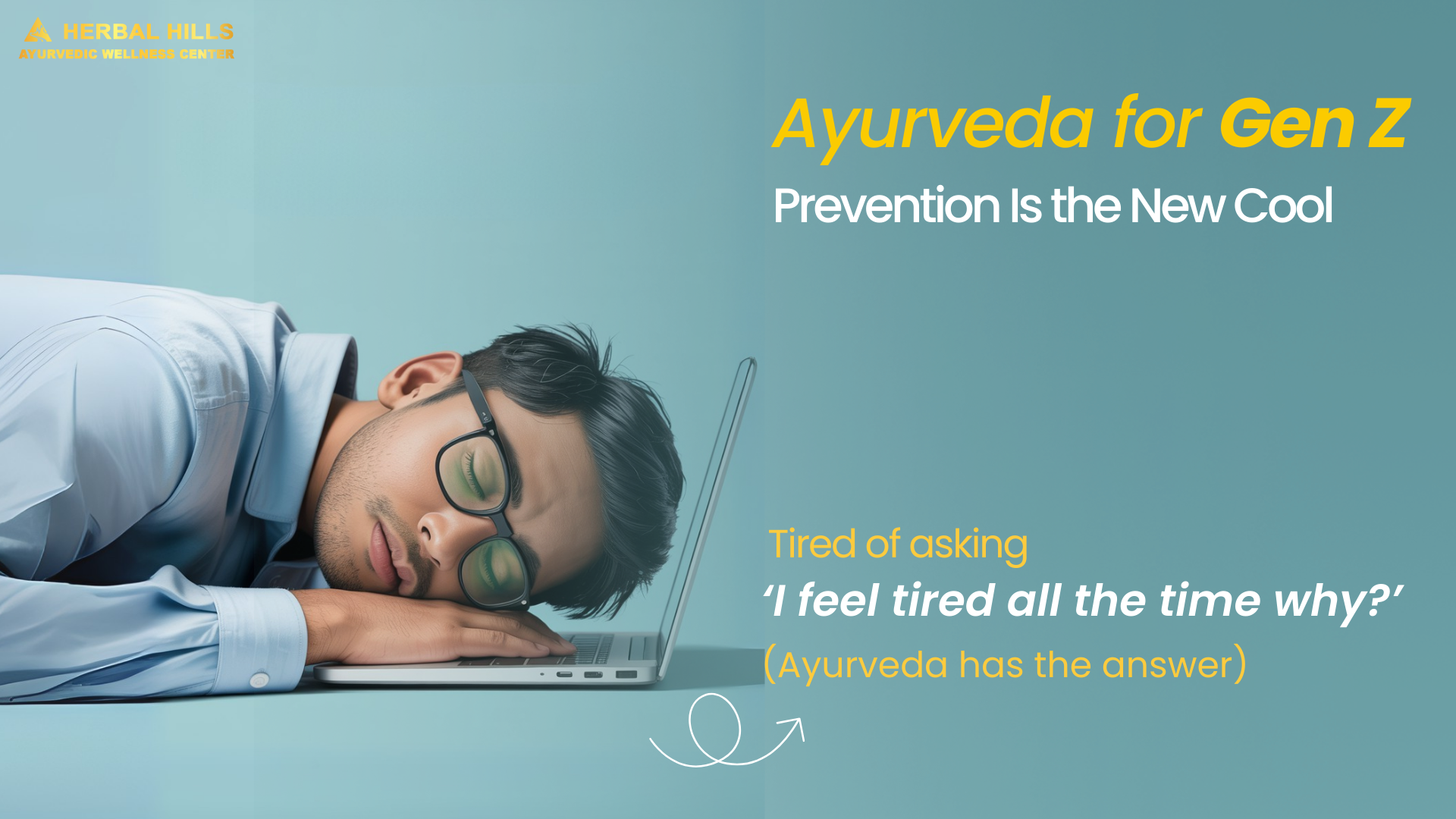
Feeling Tired All the Time? 9 Common Causes of Fatigue and What Ayurveda Suggests
Feeling tired all the time usually has a cause you can find: poor or irregular sleep, skipped or heavy meals, stress, low activity, dehydration, or a medical issue such as anaemia, thyroid problems or low vitamin D. Ayurveda links lasting tiredness with weak digestion, disturbed routine and depleted Ojas. Start with sleep, food and routine, and see a doctor if tiredness lasts more than a few weeks.
Why do I feel tired all the time?
Almost everyone feels tired after a bad night or a hard week. But feeling tired all the time, even after rest, is different. It affects work, mood, relationships and motivation, and many people simply accept it as part of modern life.
It is worth looking for the reason. The NHS notes that most tiredness is linked to lifestyle, stress or common medical causes, and much of it can be improved. Ayurveda takes the same practical view: find what is draining you, then rebuild steadily.
How Ayurveda explains tiredness
Ayurveda describes energy as the result of good digestion, good sleep and a balanced mind. When digestion (Agni) is weak, food does not nourish the body fully, and residue called Ama builds up, linked to heaviness and sluggishness. When routine is irregular, Vata rises, causing restless, light sleep and scattered energy. Long-term stress and overwork are said to deplete Ojas, the essence of vitality and resilience.
Each body type tends to feel tired differently: Vata as exhausted but wired, Pitta as burnt out and irritable, Kapha as heavy and slow.
Cause 1: Not enough sleep, or the wrong timing
The most common cause of fatigue is simply not sleeping enough, or sleeping at irregular times. Late nights, early alarms, weekend lie-ins and screens in bed all add up. Many people get six hours or less and wonder why they are always tired.
Aim for seven to eight hours, ideally sleeping before 11 pm, at the same time each night. Ayurveda considers the hours before midnight especially restorative. If you sleep enough but still wake tired, read our blog on feeling tired after sleeping.
Cause 2: Skipped, late or heavy meals
Skipping breakfast, rushing lunch and eating a heavy dinner late at night leaves many people with energy crashes during the day and poor sleep at night. Very heavy, fried or sweet meals cause sleepiness afterwards; long gaps cause dips in energy and irritability.
Ayurveda recommends warm, freshly cooked meals at regular times, with the main meal at lunch and a light dinner by 8 pm. This one change often lifts daytime energy within a week or two.
Cause 3: Weak digestion
You may eat well and still feel low on energy if digestion is weak. Signs include bloating, heaviness after meals, a coated tongue in the morning, low appetite and irregular bowel habits. In Ayurvedic terms, the food is not being turned into nourishment.
Warm water, digestive spices such as ginger and cumin, avoiding constant snacking and cold food, and an early dinner all support Agni. Our blog on Agni in Ayurveda explains why digestion matters so much.
Cause 4: Stress and mental overload
Stress is tiring even when you sit still all day. Constant decisions, messages, worry and pressure keep the nervous system switched on, disturb sleep and drain energy. Many people describe this as feeling tired all the time but unable to relax.
Slow breathing, regular breaks, time outdoors, a screen-free evening hour and a fixed bedtime help. Our blog on how to reduce anxiety and stress has a step-by-step routine.
Cause 5: Too little movement
It sounds backwards, but low activity often causes low energy. Long hours of sitting slow circulation and digestion, weaken muscles and disturb sleep. Ayurveda links inactivity with excess Kapha, which shows as heaviness and lethargy.
Start small: a 10-minute walk after lunch, stretching in the morning, taking stairs, standing during calls. Most people feel more energetic within two weeks of moving daily.
Cause 6: Dehydration and too much caffeine
Mild dehydration can cause tiredness, headaches and poor concentration, especially in Mumbai’s heat and humidity or in air-conditioned offices. Too much tea or coffee gives a short lift, then a dip, and can disturb sleep if taken late in the day.
Sip water through the day, more in hot weather, and avoid caffeine after mid-afternoon. Herbal teas such as tulsi or ginger are good alternatives.
Cause 7: Anaemia and low iron
Anaemia is a common cause of fatigue in India, especially in women, people with heavy periods, vegetarians with low iron intake and older adults. Signs include tiredness, breathlessness on exertion, pale skin, dizziness and brittle nails.
A simple blood test (haemoglobin and iron studies) can confirm it. Treatment depends on the cause and should be guided by a doctor. Iron-rich foods such as green leafy vegetables, dates, jaggery in moderation, sprouts and lentils support recovery.
Cause 8: Thyroid, vitamin D, B12 and blood sugar
Several common medical causes of fatigue are easy to miss:
- Underactive thyroid: tiredness, weight gain, feeling cold, dry skin.
- Low vitamin D: fatigue, body aches, low mood.
- Low vitamin B12: tiredness, tingling, poor memory, especially in vegetarians.
- High or unstable blood sugar: tiredness, thirst, frequent urination.
If you have been feeling tired all the time for several weeks, ask your doctor about these tests.
Cause 9: Low mood and other conditions
Persistent tiredness can be a sign of depression or anxiety, especially if it comes with low mood, loss of interest, poor sleep or appetite changes. Recovering from viral illness, sleep apnoea, some medicines, and long-term conditions such as heart or kidney disease can also cause fatigue.
If tiredness comes with low mood, hopelessness or thoughts of self-harm, please speak to a doctor or mental health professional promptly.
Causes of fatigue at a glance
| Likely cause | Typical clues | First step |
|---|---|---|
| Poor or late sleep | Short sleep, late screens, weekend lie-ins | Fixed bedtime before 11 pm |
| Meals and digestion | Energy crashes, bloating, heaviness after meals | Regular warm meals, early dinner |
| Stress | Wired but tired, poor sleep, irritability | Breathing, breaks, screen-free evenings |
| Inactivity | Long sitting, heaviness | Daily walk and stretching |
| Medical causes | Breathlessness, weight change, feeling cold, low mood | Doctor’s check and blood tests |
An Ayurvedic daily routine for low energy
- Wake at the same time daily, ideally early, and drink a glass of warm water.
- Move for 20 to 30 minutes: walk, yoga or stretching, preferably outdoors.
- Eat a warm breakfast, not too heavy.
- Make lunch your main meal, eaten calmly.
- Take short breaks from screens every hour.
- Eat a light dinner by 8 pm.
- Wind down: warm oil on the feet, no screens, bed before 11 pm.
Follow this for two weeks before judging the effect.
Foods that support energy, the Ayurvedic way
Ayurveda favours fresh, warm, nourishing food for steady energy: seasonal fruit, soaked almonds and dates, moong dal, vegetables, whole grains and a little ghee, if it suits you. Amla is traditionally valued for vitality. Heavy, fried, very sweet, stale and packaged foods are said to dull energy.
Eat according to your digestion: lighter if you feel heavy, more nourishing if you are depleted. If you have diabetes or other conditions, follow your doctor’s advice.
Herbs and therapies for lasting tiredness
When routine alone is not enough, Ayurveda uses herbs traditionally linked with energy and resilience, such as Ashwagandha, Shatavari, Amla and Guduchi, and therapies such as Abhyanga and Shirodhara for restful sleep and recovery. Rasayana (rejuvenation) care is aimed at rebuilding Ojas over time.
Herbs should be chosen by a doctor after checking for medical causes, since tiredness from anaemia or thyroid problems needs proper treatment first. Our blog on Rasayana in Ayurveda explains the idea of rebuilding vitality.
Common myths about tiredness
“Being tired is normal for busy people.”
Occasional tiredness is normal. Feeling tired all the time is a sign worth investigating.
“More coffee will fix it.”
Caffeine hides tiredness briefly and can worsen sleep.
“Rest is always the answer.”
Sometimes movement, not rest, restores energy.
“A supplement will solve it.”
Supplements help only when there is a real deficiency, which a test can confirm.
When to see a doctor
See a doctor if tiredness lasts more than three or four weeks despite better sleep and routine, or if it comes with weight loss or gain, breathlessness, chest pain, fever, night sweats, very heavy periods, feeling cold all the time, excessive thirst, low mood or swollen glands. Simple blood tests often find a treatable cause. An Ayurvedic consultation can then support recovery alongside any treatment you need.
How Herbal Hills helps with low energy
At our centres, a free doctor consultation with Nadi Parikshan looks at your digestion, sleep, stress, body type and any reports you bring. From there, the plan may include routine and diet changes, herbs chosen for you, and therapies for rest and recovery. If your tiredness needs medical tests, the doctor will say so first.
Feeling tired all the time: the short version
Most tiredness comes from sleep, meals, digestion, stress, inactivity or dehydration, and improves with a steady routine. Some comes from anaemia, thyroid problems, vitamin deficiencies, blood sugar or low mood, which need a doctor and tests. Fix the basics for two weeks; if you are still feeling tired all the time, get checked.
Feeling tired all the time in women
Women are more likely to report feeling tired all the time, and there are clear reasons. Heavy periods can lead to low iron; pregnancy, breastfeeding and menopause change sleep and hormones; thyroid problems and PCOS are more common; and many women juggle work, home and caring for others with little rest. Vegetarian diets low in iron or vitamin B12 can add to it.
A haemoglobin, iron, thyroid and vitamin check is a sensible first step. Our blog on hormonal imbalance in women explains related symptoms.
Feeling tired all the time in men
Men often push through tiredness without mentioning it. Long working hours, late nights, alcohol, poor sleep from snoring or sleep apnoea, weight gain and stress are common causes. Low energy can also come with high blood sugar or, in some men, low testosterone.
If tiredness comes with loud snoring, daytime sleepiness or waking with a headache, mention it to a doctor. Our blog on stress in men looks at the pressures many men carry.
Low energy by body type
| Body type | How tiredness feels | What usually helps |
|---|---|---|
| Vata | Exhausted but restless, poor sleep, scattered | Fixed routine, warm meals, oil massage, early bedtime |
| Pitta | Burnt out, irritable, overheated | Breaks, cooling food, no skipped meals, less overwork |
| Kapha | Heavy, slow, sleepy after meals, hard to start | Morning exercise, lighter food, no daytime naps |
Knowing your pattern makes it easier to choose the right changes.
Why am I always tired after lunch?
A dip in energy after lunch is common, but a strong slump that makes you want to sleep can point to a very heavy or carbohydrate-rich meal, eating too fast, poor sleep the night before or unstable blood sugar. Ayurveda would also look at digestion: heavy, sleepy feelings after meals are a classic sign of weak Agni.
Try a moderate lunch with vegetables and protein, eat slowly, take a short walk afterwards and drink warm water. If the slump continues, ask your doctor about a blood sugar test.
A two-week energy plan
Week one: fix your bedtime and wake-up time, eat three warm meals at regular times with lunch as the main meal, and walk for 20 minutes daily. Week two: add morning daylight, cut caffeine after 3 pm, move dinner earlier and practise five minutes of slow breathing before bed.
Keep a simple diary of sleep, meals and energy. If you are still feeling tired all the time after two weeks of steady habits, book a doctor’s check and blood tests rather than adding more coffee or supplements.
Feeling tired all the time and screens
Long hours on screens tire the eyes and the mind, and late-night scrolling delays sleep. Many people who say they are feeling tired all the time are simply not getting deep sleep because of evening screen use. Try the 20-20-20 rule during the day (every 20 minutes, look 20 feet away for 20 seconds) and put screens away an hour before bed.
Feeling tired all the time: a checklist before your visit
- How many hours do you sleep, and at what times?
- Do you skip meals or eat late?
- How much tea, coffee and water do you drink?
- How much do you move each day?
- Any changes in weight, periods, mood or appetite?
- Any recent blood test reports?
Bringing these answers helps the doctor find why you are feeling tired all the time much faster.
Feeling tired all the time after illness
Tiredness can linger for weeks after a viral fever, dengue, COVID or another illness. Rest, light, warm food, gradual return to activity and good sleep help. Ayurveda uses gentle Rasayana care for recovery once the illness has passed. If you are still feeling tired all the time a month or more after an illness, see a doctor.
Frequently asked questions
Common reasons include too little or irregular sleep, skipped or heavy meals, weak digestion, stress, low activity, dehydration and too much caffeine. Medical causes such as anaemia, thyroid problems, low vitamin D or B12, blood sugar problems and low mood are also common.
Lifestyle causes are most common: poor sleep, irregular meals, stress and inactivity. Common medical causes include anaemia, an underactive thyroid, vitamin deficiencies, diabetes, depression and recovery from illness.
Ayurveda links lasting tiredness with weak digestion (Agni), residue called Ama, disturbed routine that raises Vata, and depleted Ojas from stress and overwork. Regular meals, sleep, movement and, where needed, herbs and therapies help rebuild energy.
Doctors often check haemoglobin and iron, thyroid function, vitamin D, vitamin B12 and blood sugar. Your doctor will decide which tests suit your symptoms and history.
Herbs such as Ashwagandha, Amla and Shatavari are traditionally used for energy and resilience, but they should be chosen by a doctor after medical causes such as anaemia or thyroid problems are ruled out or treated.
See a doctor if tiredness lasts more than three or four weeks, or comes with weight change, breathlessness, chest pain, fever, heavy periods, excessive thirst or low mood.
This article is for general education and does not replace medical advice. Ayurvedic therapies and medicines at Herbal Hills are planned by qualified doctors after a personal consultation.
Energy care near home
Getting to the root of tiredness may take a few visits. Herbal Hills has five centres in Western Mumbai, in Juhu (Andheri West), Goregaon West, Kandivali West and two in Borivali West, open Tuesday to Sunday, 10 am to 7 pm. Find your nearest centre.
Find out what is draining you.